REVIEW · TIRANA
Self-guided: Peaks of the Balkans Tour in 8 days
Book on Viator →Operated by Choose Balkans · Bookable on Viator
Three borders, one tough week. This self-guided hike threads Albania, Montenegro, and Kosovo into one continuous mountain story. The route starts with a fast departure from Tirana or Shkodër (5:00 am), then delivers famous Alpine detours like the Blue Eye and the Valbona Pass viewpoint.
I love how the days mix big “wow” scenery with real logistics that make sense: shared transport to Theth, then practical overnights in traditional homestays or shepherd huts. I also like that the highlights are specific and memorable, like the Qafa e Thores vantage point, the old church in Theth, and the tripoint moment from Tromedja Mountain.
One drawback to plan for: this is self-guided trekking. The tour expects strong physical fitness and hiking experience, and meals are not included, so your budget needs room for lunch and dinners on the trail.
In This Review
- Key highlights
- Entering the Albanian Alps at 5:00 am: Shkodër, Boge, Qafa e Thores, and Blue Eye
- Theth to Valbona Pass: a 6–8 hour push with Accursed Mountains adrenaline
- Valbona to Cerem (plus Zla Kolata option): snow patches and strange trail characters
- Cerem to Doberdol through Montenegro: pine forests, berries, and a bear-and-lynx reserve
- Tromedja tripoint day and the long border stretch to Babino Polje
- Babino Polje to Plav and Lake Hrid: cold water lore and quiet forest miles
- Plav to Vusanje: 21 km, 1194 m gain, and forest-cathedral vibes
- Vusanje back to Theth: border bounce, Arapi and Jezerca views, and a hard-to-find water stop
- Price and logistics: what $1,366.86 buys you (and what it doesn’t)
- When guides matter, Choose Balkans has names: Ervis, Mira, and Besa
- Who should book this trek, and who should pass
- Should you book Peaks of the Balkans (self-guided)?
- FAQ
- What time does the tour start?
- Where does the tour begin and end?
- Is this tour self-guided or guided?
- What hikes and difficulty should I expect?
- What is included in the price?
- Do I need to plan for extra costs like meals?
Key highlights
- Start time of 5:00 am with shared transport to Theth so you lose less daylight to getting there
- Blue Eye of Theth with a moderate hike and the fun cold-water detail (about 5°C)
- Valbona Pass for high-adrenaline views of the Peaks of the Balkans and Accursed Mountains
- Tromedja tripoint where you can stand in Albania, Montenegro, and Kosovo at once
- Lake Hrid near Plav plus the local legend about good health and marriage
- Basic homestays and shepherd huts that feel simple, direct, and real (not hotel comfort)
Entering the Albanian Alps at 5:00 am: Shkodër, Boge, Qafa e Thores, and Blue Eye
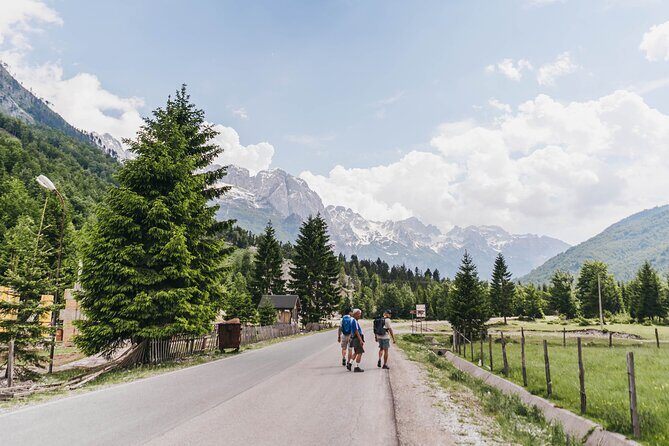
You start early on purpose. A 5:00 am start means you’re not wasting your first morning on slow travel. After a shared ride from Tirana or Shkodër, you’ll switch to local transport to continue toward Theth.
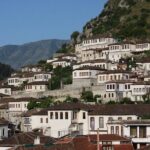
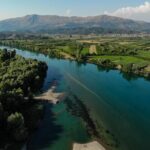
Your first stop in Shkodër is a quick reset with scenery changes as you move north: wild fields, rivers, Shkodër Lake, and rugged mountains. The day then shifts gears at Boge. This turn off the main road goes rural fast—fewer cars, more open nature. If you time it around May to June, the lavender fields can be a standout, with those aromatic bursts that feel like a pocket of Provence in the Albanian Alps.
A key moment on the way up is Qafa e Thores, with that steep hillside climb toward 1700 meters. The route description says this is the best picture spot, and you should treat it like a photo priority. It’s also the kind of stop where you’ll appreciate good timing: you want light on the ridges and fewer crowds (which matters more on mountain trails than in cities).
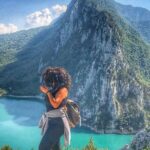
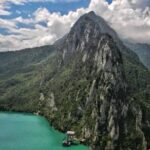
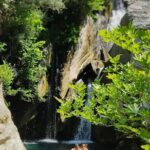
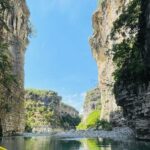
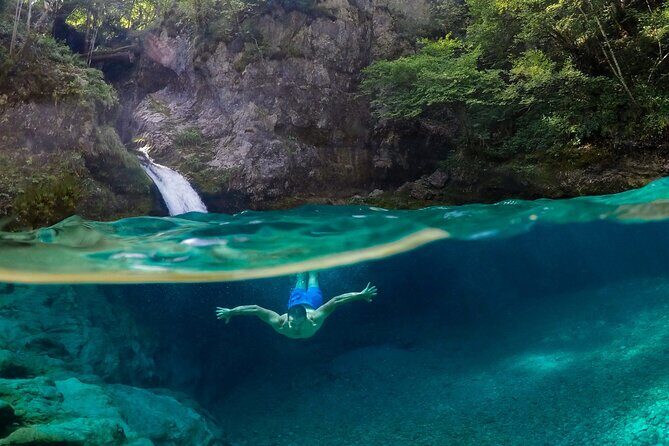
Then comes the main hiking feature of Day 1: the Blue Eye of Theth. The formation is tied to erosion from melting snow in the Albanian Alps, and the color is the star—bright blue and green. Plan this as an easy-to-moderate challenge that still asks for effort: about 6.2 km each way with roughly 700 m elevation gain, and around 3 hours one way. There’s also a shorter break-and-hike rhythm built into the day, so you’re not sprinting from the moment you arrive.
The fun fact is also practical: the water is around 5°C. That means you should treat it as a viewpoint and a photo stop, not a casual swim. If you go in water-wise, do it because you’re committed to cold, not because you think you’ll be refreshing yourself like a summer lake.
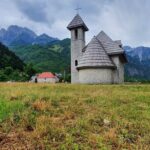
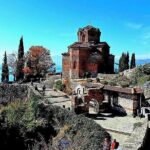
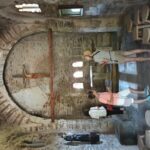
After the hike, you return to the village center for a more cultural pace: the Old Church and the Lock in Tower. The vibe here is about long-running local life—centuries of stories attached to simple stone places. In a trip where you constantly cross borders and passes, these landmarks add texture and ground the walk in one community’s identity.
Other Theth and Albanian Alps tours we've reviewed in Tirana
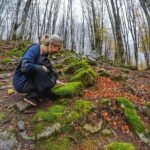
Theth to Valbona Pass: a 6–8 hour push with Accursed Mountains adrenaline
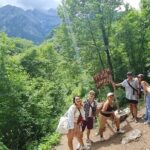
Day 2 is the first real “earned views” day. Trekking from Theth to Valbona takes about 6 to 8 hours with around 1050 m elevation gain, and it runs through remote terrain. This is where your fitness matters most.
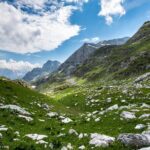
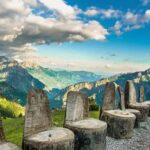
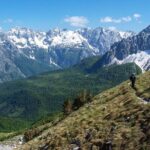
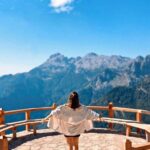
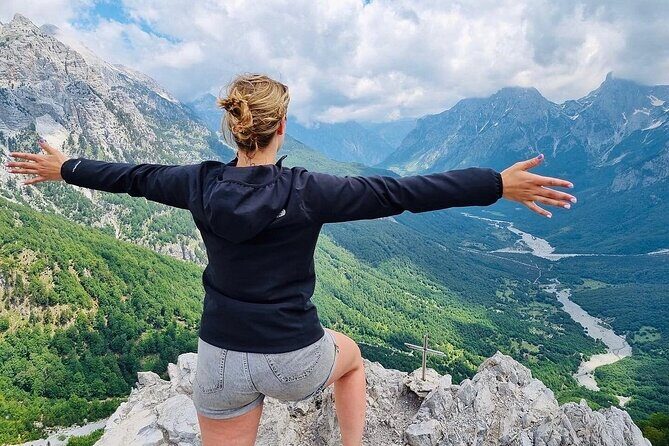
Valbona Pass is described as the highlight, and it’s for a good reason: once you climb high enough, you get that big panoramic sense of the Peaks of the Balkans and the Accursed Mountains on both sides. Even if you’re not a map nerd, this kind of pass-view makes the whole region feel legible. You stop thinking only about the next step and start understanding the mountains as a system of ridges, valleys, and lines that communities have used for centuries.
The descent toward Valbona Valley is where you can shift from adrenaline to rhythm. Plan for your legs to feel it. With one of these long days, the best strategy is steady pacing: start a bit slower than you think, because you’ll need energy for the last stretch before the pass.
Valbona to Cerem (plus Zla Kolata option): snow patches and strange trail characters
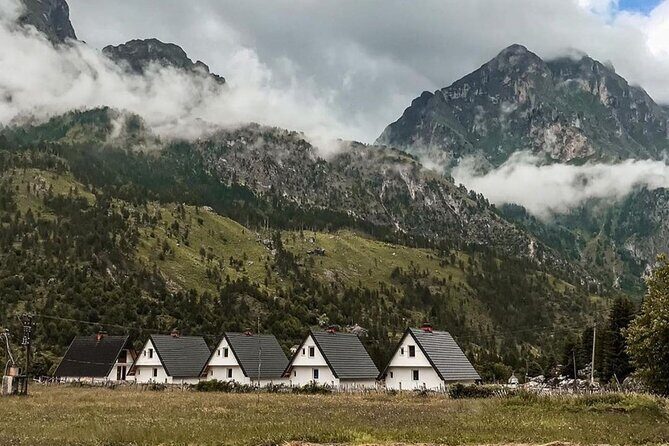
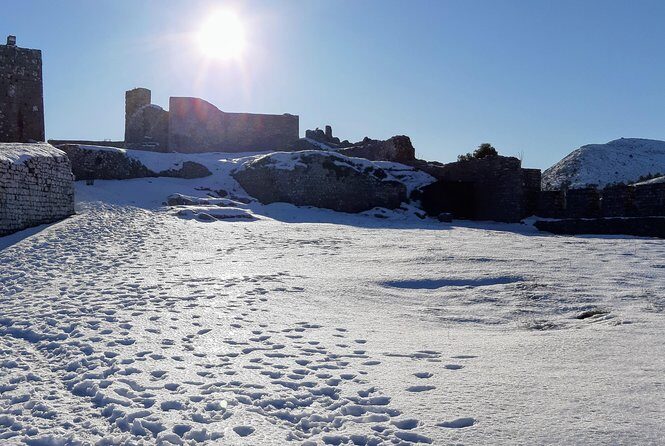
Day 3 keeps the hiking energy going but adds variety. After arriving in Cerem, you pass forests and meadows, then reach a canyon-like area where snow can still linger even in summer. That’s a real trail-specific detail worth keeping in mind: if you see patches of snow, don’t assume it’s leftover from some weird weather. The route profile suggests persistent cold spots.
Cerem is also where you get an optional “more mountain” choice. There’s an option to hike up to Zla Kolata peak (2033 m), which adds about 3 more hours. If you’re the kind of person who wants bragging rights for the top, you’ll like this option. If you’re trying to protect your energy for later border days, you may prefer to stay with the main route.
The descriptions here lean into memorable trail features, like a stone surface on the side of a mountain that looks like the face of a miserable old man. You also pass a cave with extremely cold wind and no known exit. That doesn’t mean you should treat it like a mystery tour; it means the trail has personality, and it’s not just scenery behind scenery.
You also end the day around 1300 m in Cerem, high enough that civilization feels far away. This matters for your packing mindset. If you’re expecting easy snacks every hour, this part of the route won’t match that. It’s a “carry smart and slow down” day.
Cerem to Doberdol through Montenegro: pine forests, berries, and a bear-and-lynx reserve
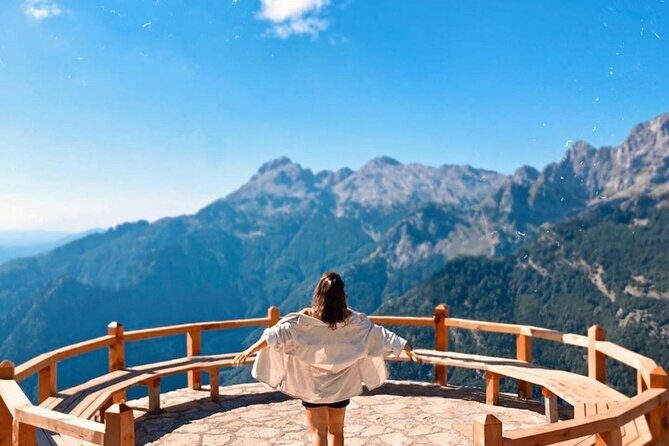
Day 4 pushes you across into Montenegro for about two hours. The hike follows a mule track toward Doberdol, and it’s described as passing through pine forests with berry potential—blueberries, blackberries, and raspberries depending on the season. This is one of those sections where you’ll want to slow down anyway, because the ground is doing the work.
A big detail here is the mention of a national reserve in Albania. The reserve is said to include brown bears and the last population of about 40 lynxes in the Balkans. Whether you spot wildlife or not, this matters. It’s a reminder that you’re walking through habitat, not a managed park. Keep food habits simple, pack out what you carry in, and don’t expect a “wildlife guarantee.”
Doberdol is the overnight destination around 1800 m, with shepherd hut villages in the area for coffee or other drinks. This is a practical stop type: huts populated during summer by shepherds, which means the human side of the trail is seasonal.
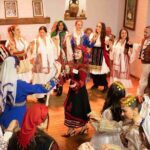
The accommodation is basic. You’ll likely get mattresses rather than hotel beds, and bathroom amenities are described as basic bathroom amenities overall in these homestay-style settings. The good news is that the local welcome and food are described as delicious. That’s a common Balkan pattern: simple lodging, strong hospitality, and meals that taste like what the area can actually grow.
Tromedja tripoint day and the long border stretch to Babino Polje
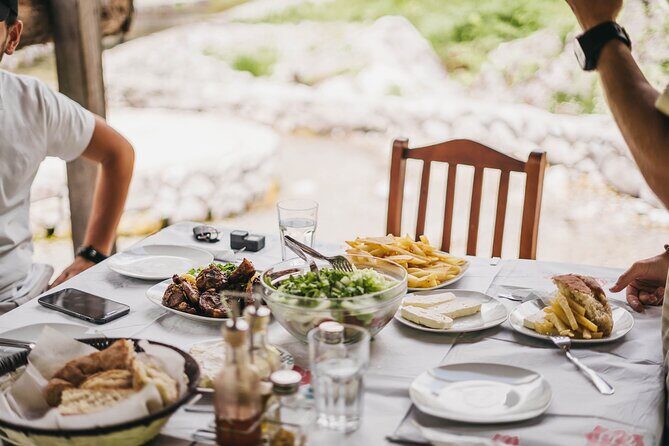
Day 5 is a geography lesson in hiking form. You climb Tromedja Mountain and reach a point where you can stand in Albania, Montenegro, and Kosovo at the same time. It’s not a history museum moment. It’s a physical moment with your boots on a ridge, staring across three countries.
After Tromedja, you continue along the border between Kosovo and Montenegro. The route includes endless meadows and Bogicevica National Park. You’ll also hike through blueberry bushes, with a trail that’s described as a leisurely walk through untouched nature after the big climb.
The technical difficulty is listed as moderate, with a one-way hike of about 12 km, elevation gain around 635 m, and roughly 7 hours. That means your day is time-heavy even when the walking feels lighter in places.
Your destination is Babino Polje, a village where you can take in natural surroundings and local cultural life. This is also where the self-guided reality kicks in again: you’re responsible for managing your pace and staying on route, but the destination villages make it easier to reset mentally after a long stretch.
Other multi-day Albania tours from Tirana

Babino Polje to Plav and Lake Hrid: cold water lore and quiet forest miles
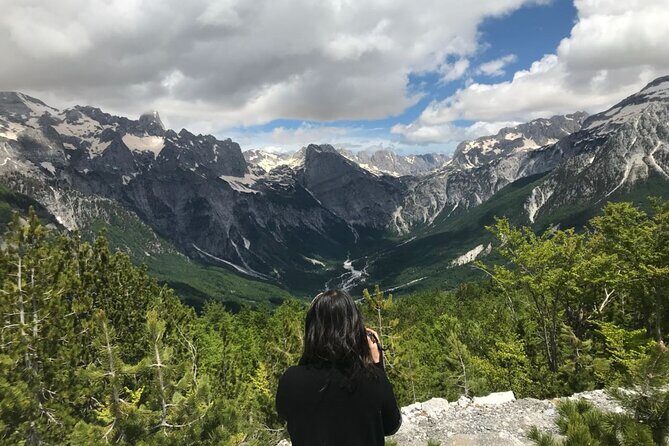
Day 6 shifts toward restorative nature. You start from Babino Polje and hike toward Plav, with a trail described as passing through untouched forests. The highlight is Lake Hrid, said to be the most beautiful lake in all of Montenegro in the route description, plus surrounded by a thick pine forest.
This is where the hike description becomes emotionally useful. Dense forests and a lack of noise create that sense of isolation from the outside world. You’re not in a village; you’re in moving nature. That’s great if you want your day’s main reward to be the hike itself, not a checklist of attractions.
There’s also local legend around the lake: swimming in Lake Hrid is said to bring good health and good luck in marriage. You don’t need to buy into the superstition to enjoy it as story. Just treat water like water: don’t assume it’s warm, and don’t plan on a casual dip unless you’re prepared.
Your walking time is described around 6 hours overall with the lake moment built in. The route ends in Plav, with a view of the town appearing like a postcard. That kind of reveal matters after forest walking; it helps your brain transition from effort to arrival.
Plav to Vusanje: 21 km, 1194 m gain, and forest-cathedral vibes
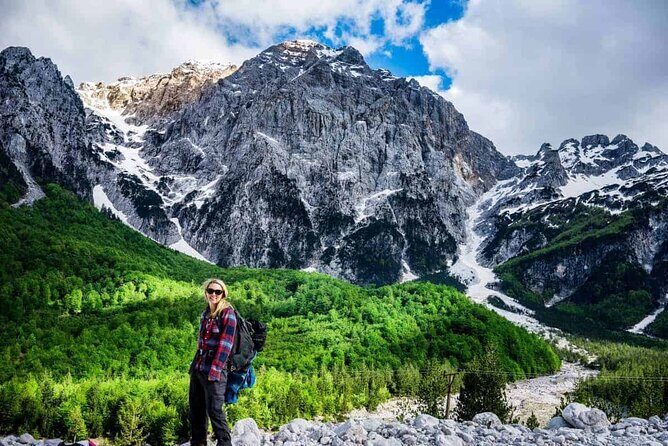
Day 7 keeps a demanding rhythm. The hike from Plav to Vusanje is listed as about 21 km with elevation max around 2100 m and elevation gain roughly 1194 m, taking around 7 hours. Technical difficulty is moderate.
The description emphasizes a shift: dense forests early on, then panoramic views as you climb higher into alpine territory. Think of this day as a gradual staircase from shade to skyline. It’s the kind of climb where you can feel progress in waves—each time the trees thin out, you get a bigger sense of the valleys below.
Approaching Vusanje, the landscape opens, and the village looks like it belongs right inside the mountains: small, quiet, and surrounded by high terrain. It’s also a good overnight reset before your final border crossing and return hike.
Vusanje back to Theth: border bounce, Arapi and Jezerca views, and a hard-to-find water stop
Day 8 is both closure and one last push. From Vusanje, you head toward Theth and cross back to Albania. The trek includes a hidden water place that’s difficult to find on your own unless you know the exact location.
This is a self-guided tour, so your takeaway matters: you should not assume you can improvise here without the route notes you get at booking. When the tour mentions something hidden and hard to find, it’s usually because the payoff is off the main line.
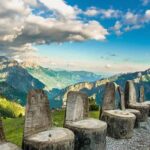
You’ll also pass shepherd’s huts and some of the highest peaks in the Balkans. Arapi Peak is listed at 2217 m, near Jezerca Peak at 2694 m. The route description doesn’t promise you a summit, but it does promise you will be walking near the visual presence of these giants, with huts and trail markers that connect daily life to high country.
Hiking details for the day are about 21 km one-way, elevation gain around 1294 m, technical difficulty moderate, and roughly 8 hours. Then you finish by organizing a transfer back to Tirana or Shkodër via shared transportation. You’re dropped at the bus station, and you handle the last-mile taxi or bus to your hotel.
Price and logistics: what $1,366.86 buys you (and what it doesn’t)
At $1,366.86 per person for about 8 days, you’re paying for the big-ticket parts of a multi-country trek: overnight lodging for 7 nights, shared transport to and from Theth, and border administration support. You also get cross border pass and tourist taxes. Breakfast is included for 7 mornings.
That value is real, especially when you consider the route crosses Albania, Montenegro, and Kosovo. If you tried to stitch this together independently—especially with simple overnights and cross-border paperwork—you’d likely spend a lot of time and money on coordination.
What isn’t included is where you need to keep your budget honest. Lunches, dinners, drinks, and snacks are on you. The tour notes that one meal costs about 12 to 15 euros, and a shepherd-hut night might not come with restaurant-style options. You also don’t get a tour guide. Self-guided here means your navigation comes from the materials you receive, and you’re the one choosing your pace.
Accommodation type is basic by design: traditional homestays or guesthouses, or shepherd huts, typically with rooms that fit 2 to 5 travelers. Private rooms are possible for an extra 40 euros per night per room, based on availability. If you’re sensitive to shared-space conditions, book that private option early.
You also need to pack light. You carry your belongings during the trek. The tour says excess luggage transportation might be possible depending on availability, with fees mentioned as minimum 880€ for one person or €440 per person for groups. For most people, the best value move is to travel with less and accept that mountains don’t care about your suitcase.
Finally, a note on commitment: it’s listed as non-refundable and cannot be changed for any reason. If your schedule is flexible and you’re hoping for a safety net, this is one of those products that won’t give you that flexibility.
When guides matter, Choose Balkans has names: Ervis, Mira, and Besa
Even though this is self-guided, it helps to know how the provider supports the experience. Across the company’s wider trip feedback you can see names like Ervis, Mira, and Besa credited for making the experience smoother and more meaningful through historical context and organization, with special praise for professional, friendly guidance and meal coordination.
That doesn’t replace your self-guided responsibility on the trail, but it does suggest the company’s network is active and the on-the-ground support is built around local knowledge and clear communication.
Who should book this trek, and who should pass
This is a strong fit if you want a multi-country hiking route, and you like trails that feel connected to daily mountain life rather than theme-park viewpoints. You’ll also enjoy it if you want a mix of famous spots and weird little trail features: the Blue Eye cold color, the tripoint on Tromedja, the legend around Lake Hrid, and the rock-and-cave moments around Cerem.
You should be cautious if you don’t have solid hiking habits. The tour requires some hiking experience and good physical condition, and the longer days are real: 6–8 hours with big elevation on Day 2, plus another 7–8 hour push near the end. Even with moderate technical difficulty listed on key days, the route still demands steady effort and good timing.
You’ll get the most from it if you can handle basic lodging and simple bathrooms without needing hotel comfort. If that’s your priority, you’ll probably feel a mismatch more than a surprise.
Should you book Peaks of the Balkans (self-guided)?
I think you should book it if you want a high-reward route that mixes borders, peaks, and village stays, and you’re comfortable hiking without daily guiding. The included homestays, breakfast, shared transport, and border pass help the price feel more justified than a typical DIY plan.
Skip it if you need a tour guide to keep you on track, or if you want meals handled for you. Also skip if you’re not ready for long climbing days that start early and end with a transfer drop at a bus station rather than a smooth hotel finish.
If you decide to go, plan your packing like a mountain trip, not a sightseeing trip, and treat the trail times as firm targets. This route gives you serious views, but it rewards preparation more than luck.
FAQ
What time does the tour start?
The start time is 5:00 am.
Where does the tour begin and end?
It begins in Tirana or Shkodër and ends back at the meeting point. On the last day, you’ll be transferred by shared transportation to the bus station in Tirana or Shkodër, then you handle your ride to your hotel.
Is this tour self-guided or guided?
It is self-guided. A tour guide is listed as not included.
What hikes and difficulty should I expect?
You should have good physical condition and some hiking experience. The tour notes moderate technical difficulty on key hiking sections, including long days such as about 6–8 hours on the Theth to Valbona Pass day.
What is included in the price?
Included items are shared accommodations for 7 nights in traditional homestay/guesthouse/sherpherd hut styles, local transport on day 1 from the meeting point to Theth and on day 8 from Theth back to Tirana or Shkodër bus terminal, the cross border pass, tourist taxes, and breakfast (7).
Do I need to plan for extra costs like meals?
Yes. Lunches, dinners, drinks, and snacks are not included. The tour also states that one meal costs about 12 to 15 euros.