REVIEW · TIRANA
Day Tour in Berat, Unesco Heritage
Book on Viator →Operated by Discover Albania · Bookable on Viator
Berat day trips feel longer. On this Tirana day trip you’ll roam UNESCO-listed Berat, learning why locals call it the City of a Thousand Windows—then end with Osum River views from Mangalem and Gorica.
I especially love the time inside Berat Castle, with its hilltop churches and centuries layered in stone. And the National Iconographic Museum Onufri left a real mark, because it’s not just icons on a wall—you see the carved iconostasis and the church-art setting itself.
One thing to plan for: this is a long day (about 9–11 hours) and you’ll be walking on hills and steep lanes around the castle area, so comfortable shoes matter.
In This Review
- Key things to know before you go
- Walking into Berat Castle’s 2,400-year overlook
- Onufri’s icons: why this museum feels different
- The Ethnographic Museum: 19th-century life in one place
- Mangalem, Gorica, and the Osum River “floating windows” view
- The day’s flow: transport, pace, and what you’ll feel in your legs
- Price and value: where the money actually goes
- Who this Berat day trip fits best
- Should you book this Berat UNESCO day trip?
- FAQ
- FAQ
- What time does the Berat day tour start from Tirana?
- Where is the meeting point in Tirana?
- How long is the day trip to Berat?
- Is hotel pickup available?
- Are admission tickets included?
- Is the tour a small group?
- Is lunch included?
- What should I know about weather?
- What is the cancellation policy?
Key things to know before you go
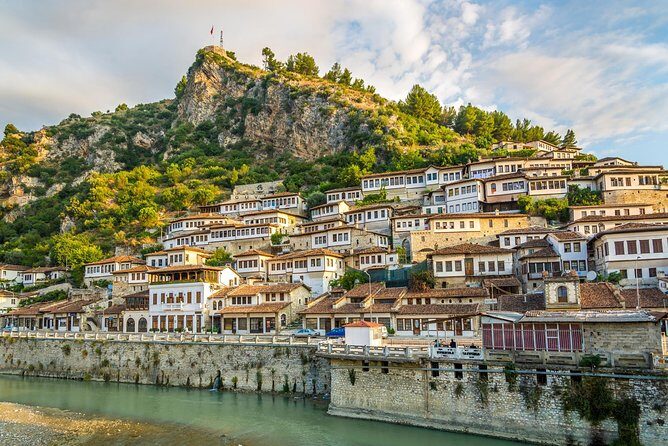
- Berat Castle is the anchor of the day, with churches, museum rooms, and big views over the Osum River.
- Onufri’s icon art is shown where it belongs—inside the Cathedral of Saint Mary in the castle complex.
- The Ethnographic Museum focuses on one family’s world, showing how a wealthy Albanian household lived in the 19th century.
- Mangalem and Gorica are a built-in photo mission thanks to the “floating windows” facade views across the river.
- A small group keeps it personal, with a maximum of 20 people and a guided explanation throughout.
Walking into Berat Castle’s 2,400-year overlook
Your day starts in Tirana at 9:00 am, with round-trip transport in an air-conditioned vehicle. The route includes a drive through smaller places before you reach Berat, so you get a sense of the countryside pace instead of feeling like you teleport straight into a tourist bubble. You’ll also be given a mobile ticket, which makes arrival smoother.
When you arrive, Berat Castle rises above the city on a rocky hill on the left bank of the Osum River. One small detail that helps you set expectations: access is described as being only from the south. Translation: don’t plan to approach casually from every direction—this quarter is built for walking with a clear uphill flow.
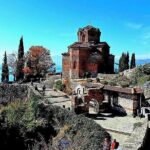
Inside the castle quarter, you get about two hours. What makes this stop work is that it’s not one single sight. It’s a whole warren of history: a museum area, churches, mosques, houses, and shops. The heart of the experience is the Byzantine church area, where many buildings are known for wall paintings, icons, and the values shown through church art. Even if you don’t read every caption, the guide’s pacing helps you connect what you’re seeing to what it meant.
Also, the castle sits high enough that you’ll constantly get breaks in the story so you can look out. If you like architecture, you’ll find yourself switching between two “languages” of the city—the spiritual scale of the churches and the everyday human scale of small lanes and corners.
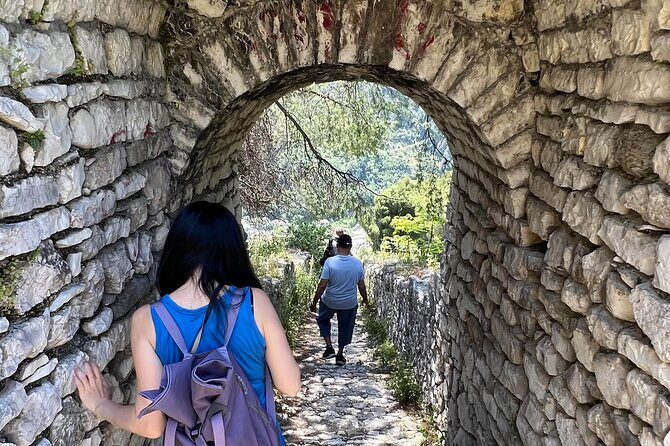
Practical note: the castle is hilly. You’ll climb, pause, and climb again. Bring shoes you’d happily wear on cobblestone and uneven stone. If your legs are sensitive, don’t wait until you’re in the thick of it—start strong and take the guide’s suggested pace.
Other Berat UNESCO and castle tours we've reviewed in Tirana

Onufri’s icons: why this museum feels different
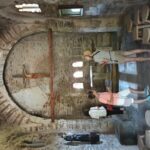
After Berat Castle, you head to the National Iconographic Museum Onufri. Plan on about one hour. This museum is inside the Cathedral of Saint Mary, so you’re not just walking into a display room—you’re stepping into the church context where icon art was meant to be seen.
What you can look for here:
- Byzantine carved iconostasis (the carved screen-like structures)
- icons painted by Onufri, a famous Albanian artist
Even if you know nothing about Byzantine or icon tradition, the setting helps. The guide’s interpretation matters because it puts the visual details in the right frame. You’ll spend time looking at the craftsmanship and composition, not just snapping pictures.
If you care about art history, this stop is where the day turns from scenic to meaningful. It’s also where the UNESCO part stops being a label and starts being a real-world experience: you’re seeing how faith, regional artistic identity, and historical continuity show up in objects people once used in daily religious life.
One small tip for your photos: the museum can have lighting that’s not designed for phone cameras at every angle. I’d focus on steady, slower shots rather than sprinting for one perfect frame. The icon art is worth seeing with your eyes first.
The Ethnographic Museum: 19th-century life in one place
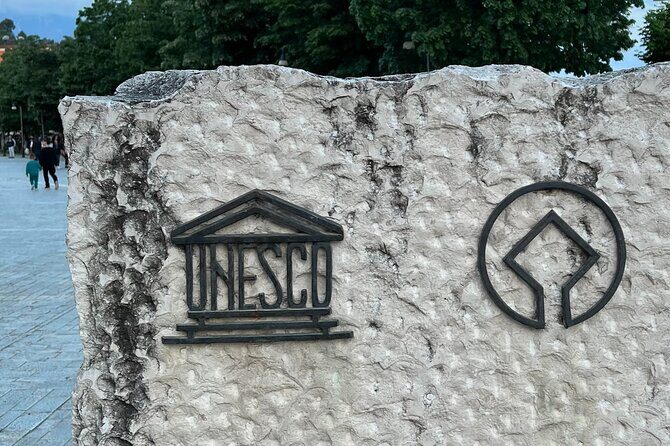
Next comes the National Ethnographic Museum Berat, located on the sloped road between old town Berat and the castle. It’s about one hour, and it’s a different kind of learning than church art.
This museum is built around a local perspective: it gives you a peek into the life of a wealthy Albanian family in the 19th century. That phrasing matters, because it shapes the museum’s mood. Instead of a generic timeline, you get domestic detail—how a particular kind of household functioned, what mattered in daily rooms, and how status showed up in everyday objects and spaces.
What I like about this stop is pacing. After castles and icons, your brain gets a break from big monuments and returns to human scale. You start thinking in terms of routine and comfort: the rooms people moved through, the way they kept belongings, and how their world looked from inside.
Drawback consideration: if you’re the type who wants only the most dramatic views and architecture, an ethnographic museum can feel quieter. But if you want the “how did people actually live here?” layer that turns a city into a place, this is the stop that supplies it.
Mangalem, Gorica, and the Osum River “floating windows” view
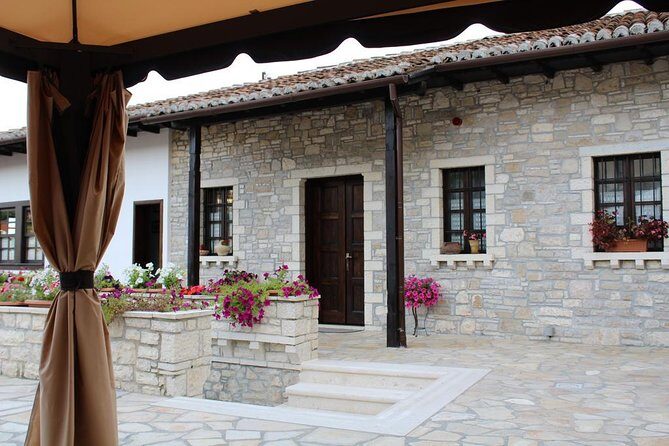
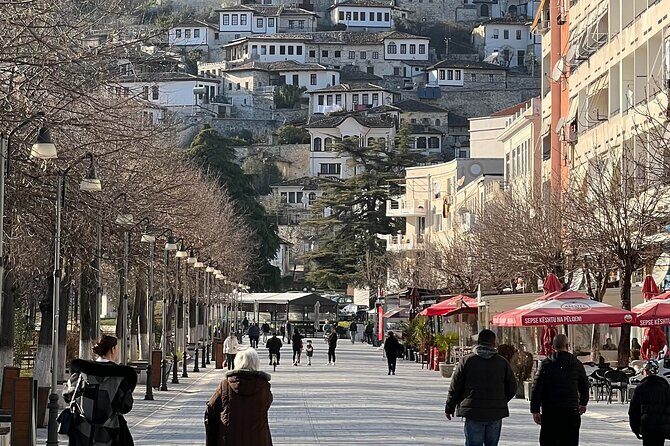
After museums, you’ll shift from indoor learning to outdoor storytelling. Berat’s signature look is tied to the neighborhoods of Mangalem and Gorica, across the Osum River.
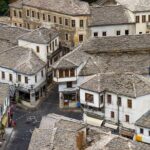
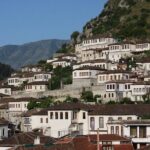
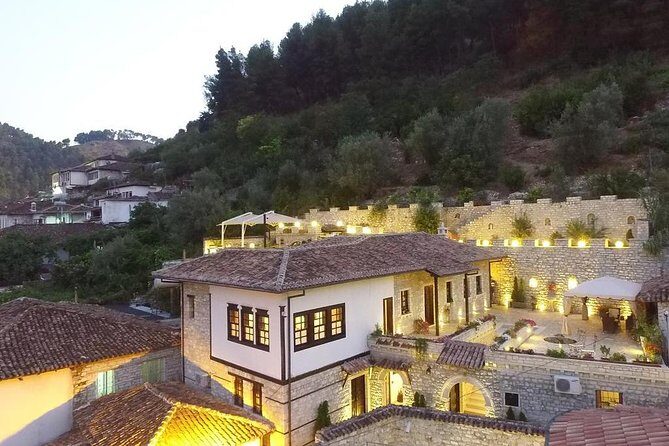
In Mangalem, you’ll see the classic facade view where traditional houses stack along a steep hill. The idea behind the City of a Thousand Windows nickname comes from cambered windows, wood carvings, and the way the second floor seems to hover above the first. When the light hits, those windows look like a pattern more than building openings.
Then you look across the river at Gorica, where the houses face those of Mangalem. You get that “mirror across water” feeling that makes Berat unique: the city is designed so you understand it both from streets and from viewpoints across the river.
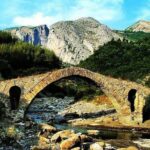
You’ll also stop at Gorica Bridge, a dramatic arched bridge built in 1780. The stop is short—about 15 minutes—and it’s also free. Still, it’s an important payoff. From here, you connect the neighborhoods to the river and see the structure that links day-to-day movement between sides.
This is one of those moments where you’ll feel why people come to Berat specifically for architecture. Not just because the buildings exist, but because the view system is built into the geography.
If the weather is clear, take your time. If it’s windy or rainy, follow the guide’s best route and don’t risk slips just for a photo. This day trip requires good weather, so the best views come when the sky is cooperating.
The day’s flow: transport, pace, and what you’ll feel in your legs
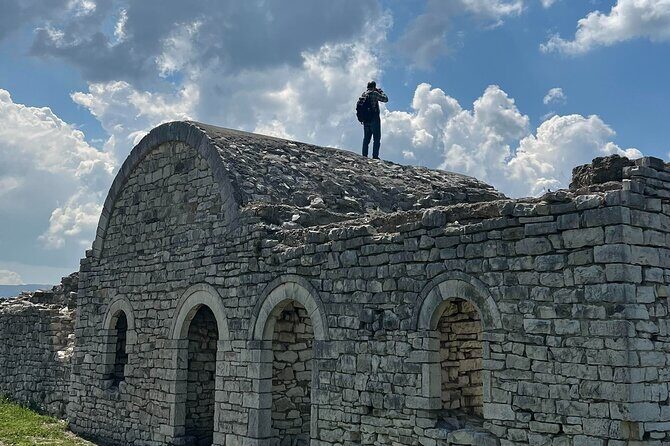
This trip is designed as a full-day circuit from Tirana. You’re out for about 9 to 11 hours, with a guided stop structure and transport back at the end. The group size is capped at 20 people, which tends to keep things moving without turning it into a scramble.
Here’s how the rhythm usually feels:
- Morning drive into Berat
- Castle time with multiple quarters inside
- Museum stop inside the Cathedral area
- Ethnographic museum on the slope route
- River-facing neighborhood views and bridge photo time
You’ll likely have a chance to enjoy traditional Albanian lunch in a picturesque setting. The schedule makes that kind of stop logical—there’s a natural break between castle/museum blocks and the river-view finale. Still, since lunch isn’t listed as included in the standard package details you’re given, I’d treat it as something you’ll pay for unless your operator confirms otherwise.
People who like history-and-art days will enjoy how the guide connects stops instead of treating them like separate checkboxes. People who hate long lectures will still be fine, because the scenery provides natural pauses. The only real “watch-out” is time on your feet. You’re walking enough that comfort wins over fashion.
One more practical note from a real-life example: my guide’s name was Amos during one departure, and he helped shape the day with extra local flavor. On one day, the group also had a stop at the Cobo winery arranged by the guide. That’s not something you should assume will always happen, but it’s a good sign of a guide who thinks about adding local tastings when the day allows. If a winery stop matters to you, ask ahead of time.
Other historical tours in Tirana



Price and value: where the money actually goes
The price is $180.35 per person, with pickup offered at your hotel for 5€ per person. The package includes transport Tirana–Berat–Tirana, a tour guide, and entry admissions to Berat Castle and Onufri’s icon museum, plus admission to the Ethnographic Museum Berat. It’s also in an air-conditioned vehicle, which matters in warm months or when the schedule runs during hotter hours.
So what are you getting for the cost?
1) Guiding through multiple sites in one day
You’re not just seeing one building; you’re getting connections between castle, church art, and domestic life. That’s where the guide time becomes value.
2) Entrance fees are handled for key stops
If you were to do these separately, the castle and museum admissions would stack up. Having them covered removes friction and keeps your day tighter.
3) Comfortable round-trip logistics from Tirana
A long day feels much easier when you aren’t navigating buses, finding ticket lines, and timing your own return. The vehicle is air-conditioned, and the group size stays small.
Possible consideration: if you’re the type who wants a super-slow, self-paced wander, a structured day at this price may feel a bit busy. But if you like efficient sight-based travel with guided context, the value is real.
Who this Berat day trip fits best
This is a strong match if you want:
- UNESCO sights without spending weeks planning logistics
- architecture lovers interested in Mangalem and Gorica facades and river views
- art and religious art interest, especially icons and iconostasis in a church setting
- history travelers who also want a human-scale perspective from the ethnographic museum
- a guided experience with a group small enough to stay friendly
It might feel less ideal if:
- you want almost no walking
- you don’t care about churches, icons, or museum interiors
- you’re hoping for lots of beach-style downtime (this is a culture day)
Should you book this Berat UNESCO day trip?
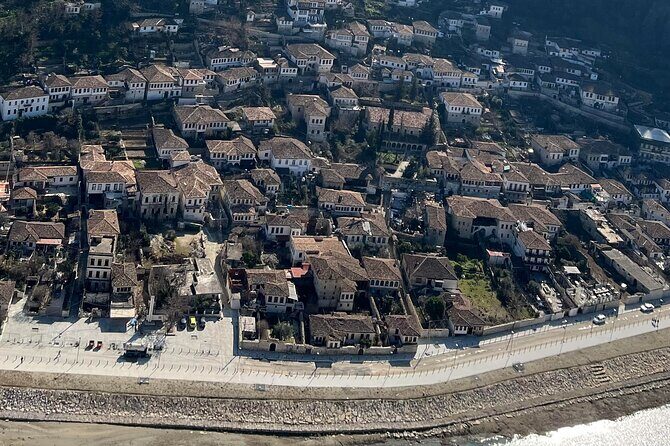
If you’re visiting Tirana and want one day that delivers the full Berat feel—castle views, icon art inside a cathedral, and the “floating windows” architecture across the Osum River—then yes, I’d book it. The itinerary hangs together: it moves from hilltop story to museum learning to neighborhood views, and the guide helps you connect those dots.
My only real caution is physical pace. If you’re set on sandals and hope for the best, don’t. Bring shoes, and embrace that the best parts of Berat require some stairs and stone lanes.
FAQ
FAQ
What time does the Berat day tour start from Tirana?
The start time is 9:00 am.
Where is the meeting point in Tirana?
The meeting point is Discover Albania, Rruga Myslym Shyri 49/1, Tiranë 1001, Albania.
How long is the day trip to Berat?
It runs about 9 to 11 hours.
Is hotel pickup available?
Yes. Pickup at your hotel is offered at 5€ per person.
Are admission tickets included?
Yes. Entry to Berat Castle and the Onufri museum is included, and admission to the National Ethnographic Museum Berat is included too.
Is the tour a small group?
Yes. The maximum group size is 20 travelers.
Is lunch included?
The description says you’ll enjoy traditional Albanian lunch in a picturesque setting, but lunch isn’t listed under included items—so plan for lunch spending unless your booking details confirm it.
What should I know about weather?
This experience requires good weather. If it’s canceled due to poor weather, you’ll be offered a different date or a full refund.
What is the cancellation policy?
You can cancel for a full refund up to 24 hours before the experience’s start time. If you cancel less than 24 hours before, the amount paid is not refunded.