REVIEW · TIRANA
Day-trip Shkoder – Lezhe – Kruje
Book on Viator →Operated by Aria Travel Albania · Bookable on Viator
A long day in northern Albania pays off fast. You get 360-degree Rozafa Castle views and a focused circuit through Albanian identity, from Illyrians to Skanderbeg and the Kruja resistance story. I especially liked the way the route blends big viewpoints with museum stops—then lets you cool down on the drive in an air-conditioned vehicle. One watch-out: the tour is offered in English, and if you need another language (like Spanish), you should confirm ahead of time.
This trip is built for “see more without stress.” You start with pickup, move efficiently between Shkoder, Lezhe, and Kruja, and you get admission included for key sites like Rozafa Castle and Kruja attractions. If you’re the type who wants lots of free time in one place, the schedule is still packed, so plan to enjoy the pace rather than expect lingering.
In This Review
- Key Things To Know Before You Go
- Why Shkoder, Lezhe, and Kruja All Fit Together
- Rozafa Castle: The 360-Degree Illyrian Viewpoint
- Gjuhadol and the Marubi Museum for a Different Kind of Albania
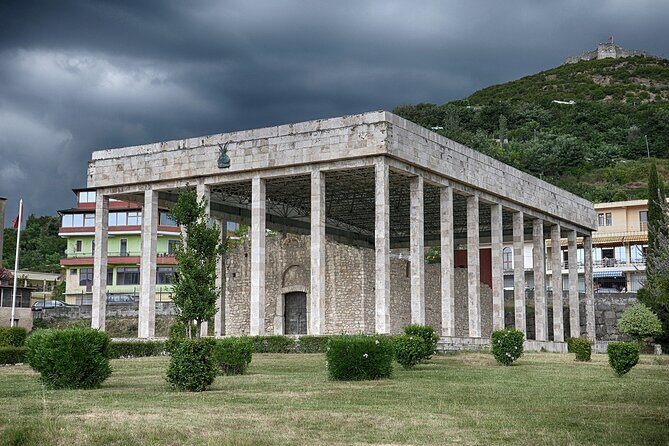
- Lezhe’s Skanderbeg Mausoleum Stop
- Kruja Castle and Museums: The Resistance Story Up Close
- Bazaar Time Without the Rush: What to Do With the 3 Hours
- Price and Value: What $90.11 Covers and Why It’s Not Just a Ride
- Guides and Driving: The Difference Between Okay and Great
- Getting There Comfortably: Air-Conditioned Vehicle and Pickup
- How Long It Takes and How to Plan Your Day in Tirana
- Who This Tour Is Best For
- Should You Book This Shkoder–Lezhe–Kruja Day Trip?
- FAQ
- What cities does this day trip visit?
- How long is the tour?
- Is pickup included?
- What language is the tour offered in?
- Is lunch included?
- Are tickets and admissions included?
- What main sites are visited in Shkoder?
- What do you see in Lezhe?
- What do you see in Kruja?
- Is the group size large?
- What happens if weather is bad?
Key Things To Know Before You Go
- Pickup saves your morning energy and keeps transfers simple from Tirana
- Rozafa Castle admission is included, so you spend time looking instead of buying tickets
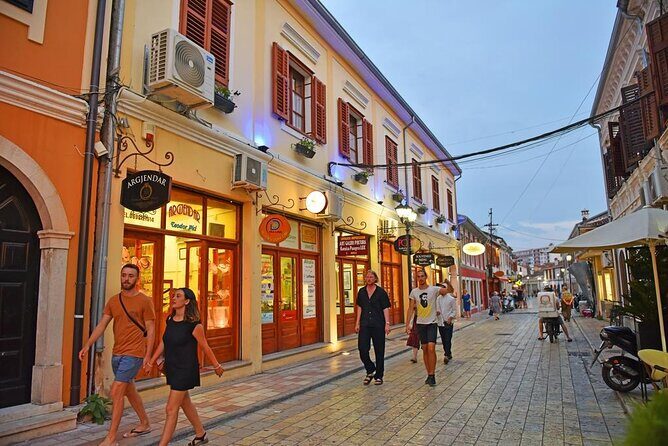
- Gjuhadol is a walkable, restored pedestrian zone with Italian and Austrian architectural influences
- Marubi Museum is optional, but it’s a strong match if you like early photography
- Kruja includes two museum stops plus the bazaar loop, all tied to Skanderbeg’s era
- Small-ish group size (max 45) helps the day feel organized, not chaotic
Why Shkoder, Lezhe, and Kruja All Fit Together
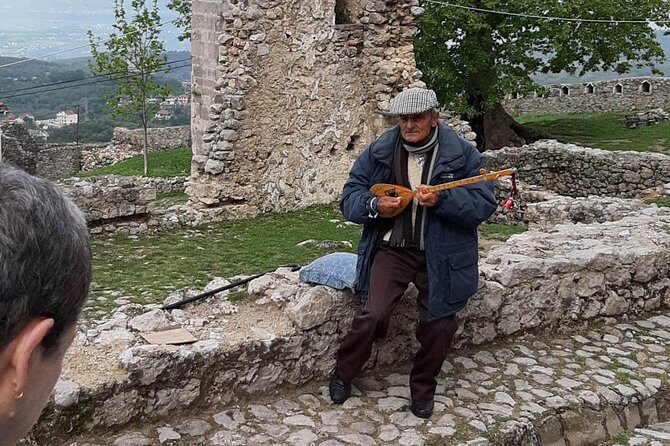
This day trip works because it traces a clear theme: people, power, and resistance in northern Albania. Shkoder sets the stage with Illyrian-era importance and spectacular geography, then Lezhe anchors the story with Skanderbeg’s resting place. Kruja completes the loop with museums and the bazaar, where the old and the everyday meet.
You’re not just hopping between scenic spots. The stops are arranged so you can connect what you see—views from Rozafa Castle, then the human story through Skanderbeg, and finally the material culture around Kruja. It’s also the kind of itinerary that helps you understand Albania beyond beach-and-bakery travel.
The pace is still a factor. You’re looking at roughly 7 to 9 hours total, with scheduled walking and museum time, plus driving between cities. If you prefer to wander alone for long stretches, you’ll need to be selective about where you slow down.
If you're still narrowing it down, here are other tours in Tirana we've reviewed.

Rozafa Castle: The 360-Degree Illyrian Viewpoint
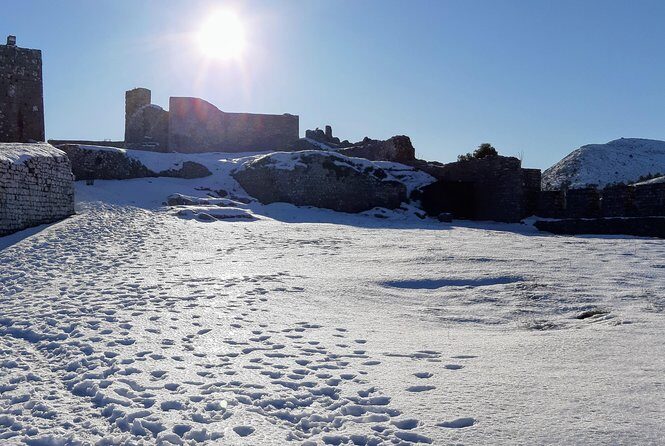
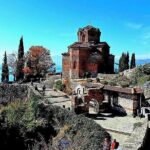
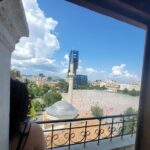
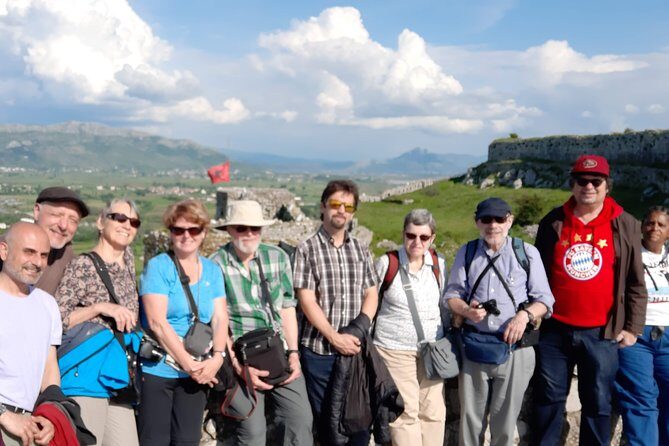
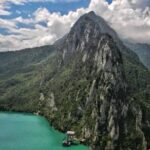
Rozafa Castle is the first big hit. You’ll drive from Tirana toward Shkoder, then spend about an hour at the castle with admission included. The viewpoint is the main event: you can take in the valley from above, including the two rivers Buna and Drin, the lake of Shkoder, and the surrounding mountains.
Why that matters: Rozafa isn’t just a scenic stop. The castle sits in a place that would have made strategic sense for whoever controlled the area centuries ago. The tour frames Shkoder as an Illyrian capital in the 3rd to 2nd centuries B.C., and from the walls you can feel why power mattered here.
Practical tip: wear shoes you can trust. You’ll be moving around viewpoints and uneven surfaces, and a good grip helps when you’re trying to take photos and not think about your footing.
Gjuhadol and the Marubi Museum for a Different Kind of Albania
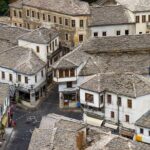
After the castle, you shift from landscape to streets. In Shkoder, you’ll walk through Gjuhadol, a newly renovated pedestrian area with Italian and Austrian architectural influences. It’s a nice contrast to the fortified feel of Rozafa—more human scale, more city texture.
Then there’s a museum option: the Marubi Museum. If you choose to go, you’ll connect the day to photography and documentation from the late 19th century. The Marubi story is specific and memorable: the first photograph in the Balkans is attributed to Marubi in 1856, and the collection includes around 500,000 glass negatives.
That optional element is smart because not everyone wants museum time after climbing at a castle. If you do like old prints and historical everyday life, this is one of the better “why does this country feel different” stops on the circuit.
If you skip Marubi, you still get Gjuhadol and the walking time. Either way, you keep momentum for the next leg of the journey.
Lezhe’s Skanderbeg Mausoleum Stop
Lezhe is where the tour turns from place-based storytelling into national identity. You’ll see the mausoleum of Skanderbeg, Albania’s national hero, who was buried inside the church of Saint Nicholas. Even if you’ve heard his name before, this stop gives the story a physical anchor.
The day’s narrative builds here: after the views and the Shkoder city walk, you arrive at a site tied directly to the man associated with resisting Ottoman expansion. It also sets up why Kruja later feels like more than a pretty hill town.
One consideration: this is a shorter, focused stop compared with the time at Rozafa and Kruja. So if you want to read everything slowly or take your time photographing details, you may not get unlimited minutes.
Kruja Castle and Museums: The Resistance Story Up Close
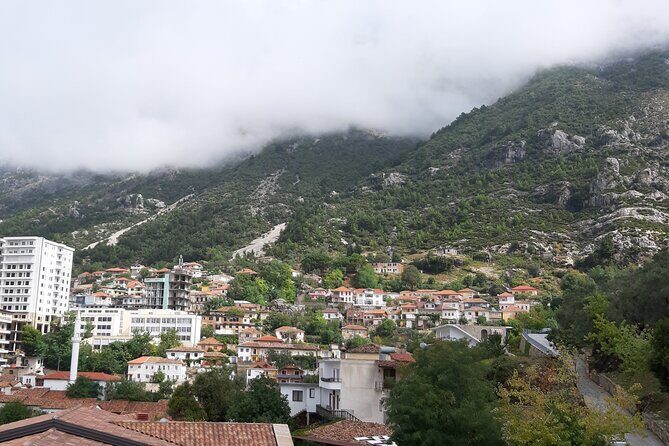
Kruja is the big payoff. You head there next, and you get around 3 hours in the area, with admission included for the main sites. The tour frames Kruja as a center of Albanian resistance against the Ottomans under Skanderbeg, including a story that he kept Ottoman armies from crossing into Western Europe for 25 years.
It’s also where the tour adds a European religious-political detail: the title Athleta Christi was awarded by the Pope of the time. That’s the kind of line you remember because it connects Albania to broader historical conversations beyond regional boundaries.
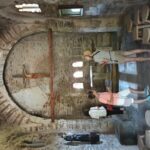
Inside Kruja, you’ll visit the Skanderbeg Museum and an ethnographic museum where many objects are original from the end of the 19th century. That combination matters. The Skanderbeg Museum helps you understand the political and military story, while the ethnographic museum gives you the everyday materials that lived alongside that era’s cultural identity.
Then the stop turns practical and fun: you walk through Kruja’s famous bazaar, aimed at traditional handicrafts and souvenirs. This is where you can actually spend time browsing rather than just looking at rooms. If you’re shopping, it’s also a good moment to compare prices and quality without rushing—still within the guided framework.
Bazaar Time Without the Rush: What to Do With the 3 Hours
Three hours in Kruja can feel short or just right, depending on your style. Since you’ll have two museum stops plus bazaar time, I suggest you decide what you care about most before you arrive.
If museums are your priority, plan to move steadily through the Skanderbeg Museum, then slow down for the ethnographic museum where you might want to look longer at objects. If souvenirs matter most, treat the museum portion as your context-building step, and save your browsing energy for the bazaar loop.
Also, bring small bills if you plan on buying. The tour doesn’t list a payment policy, but handicraft shopping in bazaars usually works better when you’re ready to pay on the spot.
Price and Value: What $90.11 Covers and Why It’s Not Just a Ride
At $90.11 per person, you’re paying for more than transportation. You’re getting a full-day circuit with pickup, an air-conditioned vehicle, and included admission where it matters most—Rozafa Castle and the major Kruja sites.
Lunch is not included, and that’s a real cost to factor in when judging value. Still, if you would otherwise pay admission fees individually, this kind of bundled entry tends to be fair—especially when timed admissions let you spend your limited day sightseeing rather than lining up or hunting for ticket offices.
A second value point: guide-led interpretation. The reviews highlight guides like Endri and Jetmir for being attentive and informative, and that can make museum time feel purposeful instead of like you’re quietly reading walls in another language. That said, language needs attention: if you’re not comfortable in English, don’t assume the guide will match your language preference.
Guides and Driving: The Difference Between Okay and Great
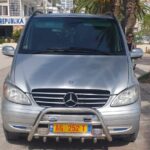
The experience can swing based on how well the guide explains what you’re seeing and how comfortable the group feels on the road. In the feedback I saw, Endri and Jetmir both got strong praise for being engaging and helpful, and one review specifically called out careful driving in a Mercedes.
That’s worth noting because long-day tours in a group can feel tense if driving is rough or instructions are unclear. Here, the tour’s structure—pickup, named stops, and clear time at each location—helps the day stay orderly, especially with a maximum group size of 45.
Language is the other swing factor. One negative review described a situation where the guide language didn’t match a booking expectation, and it became hard to communicate. My practical takeaway: if you need English only or you need a different language, confirm early and be ready with a fallback plan.
Getting There Comfortably: Air-Conditioned Vehicle and Pickup
You’ll have an air-conditioned vehicle for the day. In Albania, that can be a big quality-of-life upgrade on a summer or shoulder-season day when you’re bouncing between viewpoints and museums.
Pickup is offered, which helps if you don’t want to coordinate your own Tirana-to-departure logistics. It also makes the day feel like a single organized block rather than a collection of separate errands.
One more practical note: the tour is near public transportation. That’s useful if you’re staying close enough to walk to a stop, but it doesn’t replace pickup if you’ve booked it.
How Long It Takes and How to Plan Your Day in Tirana
Expect a 7 to 9 hour day. That’s long enough that you’ll want to treat it like your main sightseeing block, not a quick side trip. For the best experience, I recommend keeping your evening plans light.
Bring the usual “day-trip survival” items: water, sun protection, and something comfortable for walking. The Rozafa area involves viewpoints and movement, and Kruja’s old-town terrain can require good footing.
Also, because lunch isn’t included, decide ahead of time whether you want to:
- buy something near the bazaar in Kruja, or
- bring a simple snack for the day and eat later.
One review specifically mentioned opting for an agro-tourism lunch as a positive add-on. That suggests there are solid nearby meal options, but you’ll want to confirm what’s available during your departure.
Who This Tour Is Best For
This itinerary is a strong fit if you want an efficient overview of northern Albanian highlights with guided context. It’s especially good for people who like mixing viewpoints with story-driven stops—castle walls, museum rooms, and a bazaar where you can slow down.
It’s also a good choice if you’re traveling solo but like structure. A group up to 45 keeps it organized, and your route decisions are mostly made for you.
If you’re sensitive to schedule changes or you want a long, unstructured wandering day, you might find the pace tiring. It’s best to come in with the mindset that you’re checking off several anchor sights and learning the connections between them.
Should You Book This Shkoder–Lezhe–Kruja Day Trip?
I’d book it if you want great value for a full northern-albania snapshot: Rozafa’s views, Skanderbeg’s mausoleum stop, and Kruja’s museum-and-bazaar combo. The included admissions and air-conditioned transport are real time-savers, and the guided interpretation seems to land well when the language match is right.
Don’t book it blindly if you need a specific language beyond what’s offered. There’s at least one example where a language mismatch hurt the experience, so treat language confirmation as part of your planning—not as a detail.
If you’re flexible, comfortable with an organized pace, and you want to understand Albania through places tied to Illyrians and Skanderbeg, this tour is a practical win.
FAQ
What cities does this day trip visit?
It includes stops in Shkoder, Lezhe, and Kruja.
How long is the tour?
The duration is about 7 to 9 hours.
Is pickup included?
Pickup is offered.
What language is the tour offered in?
The tour is offered in English.
Is lunch included?
No, lunch is not included.
Are tickets and admissions included?
Yes. Admission is included for Rozafa Castle and for sites in Kruja. The Marubi Museum is optional, and its admission is listed as free.
What main sites are visited in Shkoder?
You’ll visit Rozafa Castle and walk in Gjuhadol, plus an optional stop at the Marubi Museum.
What do you see in Lezhe?
You’ll see the mausoleum of Skanderbeg inside the church of Saint Nicholas.
What do you see in Kruja?
You’ll visit the Skanderbeg Museum, an ethnographic museum, and you’ll have time to go through Kruja’s bazaar.
Is the group size large?
The tour has a maximum of 45 travelers.
What happens if weather is bad?
This experience requires good weather. If it’s canceled due to poor weather, you’ll be offered a different date or a full refund.
If you want, tell me your travel month and whether you need a specific language other than English, and I’ll help you judge if this schedule will feel comfortable for you.