REVIEW · TIRANA
Ohrid, Full Day Trip from Tirana
Book on Viator →Operated by Albania Express Travel · Bookable on Viator
Ohrid hits different once you’re actually there. This full-day group trip takes you from Tirana into North Macedonia’s side of Lake Ohrid, with a licensed guide and a walkable set of church-and-history stops. I especially like the practical hotel pickup and the way the day links big-name sights like St Sophia to places tied to St Clement and early Slavic learning. One thing to plan for: lunch isn’t included, so you’ll want to budget for food on your own.
You’re in an air-conditioned vehicle for the drive, and the pacing keeps you from being stuck on your own. The group stays small (up to 20), so you can ask questions and hear explanations instead of just following a crowd. Still, it’s an all-day outing—think early start and steady walking—so comfortable shoes matter.
In This Review
- Key Points to Know Before You Go
- The Tirana-to-Ohrid Drive Feels Easier Than It Sounds
- St Sophia and the Roman Amphitheater: Two Centuries, One Viewpoint
- Walking to the Icon Gallery: Where Art Becomes a Story
- Sveta Bogorodica Perivleptos (St Clement’s Church): A Church Stop With a Name Loaded With Meaning
- Tsar Samoil’s Fortress: Power, Politics, and Practical Views
- Plaoshnik and St Clement’s Monastery Church: Ohrid’s Spiritual Core
- What the $335.70 Price Buys You (and When It’s a Good Deal)
- The Pace, the Walking, and the Kind of Traveler Who’ll Enjoy It
- Guide and Group Size: Why It Matters on a Day Like This
- Should You Book This Ohrid Day Trip From Tirana?
- FAQ
- What time does pickup start in Tirana?
- How long is the full-day trip to Ohrid?
- Is hotel pickup included?
- Are admission tickets included?
- Is lunch included?
- What is the cancellation window?
Key Points to Know Before You Go
- Hotel pickup from Tirana at 8:30am saves you the hassle of figuring out transport on your own.
- Air-conditioned round-trip drive makes the long road feel much more manageable.
- St Sophia (11th century) plus the Roman amphitheater gives you layers of time in one morning.
- Icon Gallery highlights icons considered among the most famous in the world, in a very guided way.
- Plaoshnik and St Clement’s sites focus on the spiritual and educational roots of Ohrid.
- Small group size (max 20) means you’re not wrestling for attention during the explanations.
The Tirana-to-Ohrid Drive Feels Easier Than It Sounds
If you’re the type who hates travel days that turn into chaos, you’ll like how this one is set up. The tour starts at 8:30am, and you get picked up at your hotel in Tirana. From there, it’s about 2.5 hours by car to Ohrid, so yes—you’ll spend part of the day on the road. The good news is the vehicle is air-conditioned, which matters a lot when you’re starting your day early and moving between sites.
This kind of full-day format is great for one big reason: you get to focus on the sights instead of planning the route, tickets, and timing. Your guide takes care of the storyline—how the churches, monuments, and key figures fit together around Ohrid. For me, that’s the difference between seeing a list of buildings and actually understanding why people came here in the first place.
Also, you’re not dealing with endless transfers. It’s one vehicle, one guide, and a clear sequence of stops—so you can relax while the scenery goes by and save your energy for the walking.
Other North Macedonia day trips from Tirana
St Sophia and the Roman Amphitheater: Two Centuries, One Viewpoint
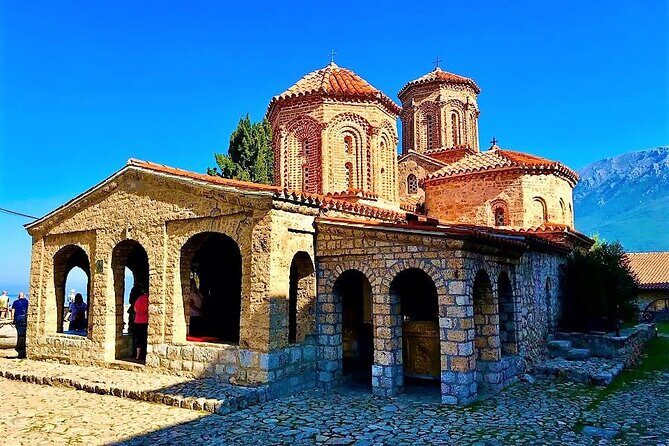
The morning centers on Ohrid’s famous religious and classical landmarks. You’ll start with the church of St Sophia, dating to the 11th century. Even if you’re not a church-history superfan, St Sophia works because it’s a visible marker of how Ohrid stayed important over time. A guide can usually help you notice the details that your eyes might otherwise skip—things like why this kind of structure mattered to the local community.
Then the day moves to the Roman amphitheater, dating back to the 3rd century BC. This is a great stop if you like the feeling of time layering—one civilization’s public space sitting in the same wider area where later religious life became central. The amphitheater is also the kind of sight where a short explanation changes your whole experience. Suddenly you’re not just looking at old stones—you’re imagining the crowds and events that once filled the space.
This part of the day includes admission for the stop marked as ticketed. Just don’t assume you’ll pay for nothing everywhere—fees and taxes are listed as not included overall, so if you add optional extras later, check before you go.
Walking to the Icon Gallery: Where Art Becomes a Story
After St Sophia, the tour continues on foot toward the Icon Gallery. This is where Ohrid’s spiritual culture becomes very concrete through visual art. The gallery includes a range of some of the most valuable icons in the world, described as following the icons on Athos and in Russia in terms of fame and importance.
What I like about this kind of guided museum stop is that it saves you time. Instead of wandering and guessing what you’re looking at, your guide can explain what makes the icons significant—religious purpose, cultural influence, and why certain works became benchmarks for icon art.
This is also a good moment to slow down. The walking links the big monuments, but the gallery gives you a break from motion. If you’re the type who gets tired in long indoor visits, pace yourself: look for the icons that match the explanation you’re hearing, not just the ones that catch your eye at first glance.
Sveta Bogorodica Perivleptos (St Clement’s Church): A Church Stop With a Name Loaded With Meaning
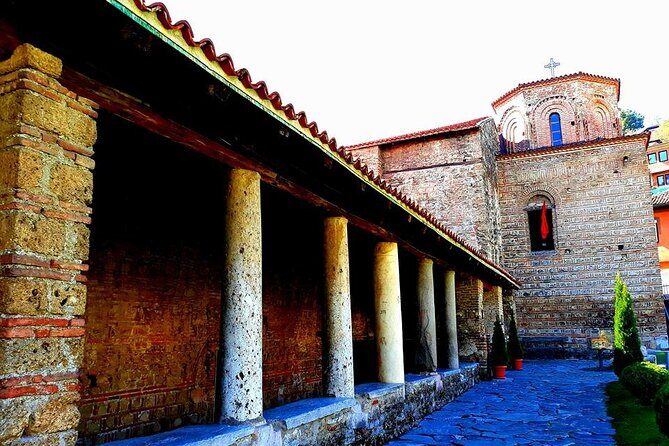
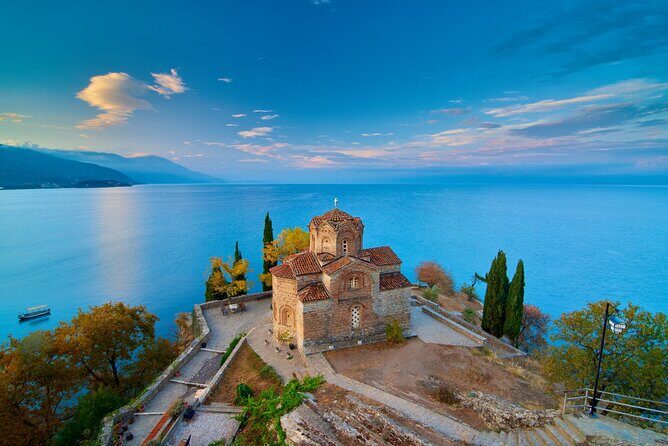
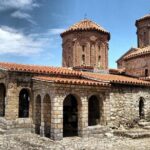
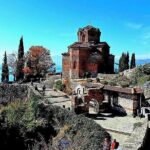
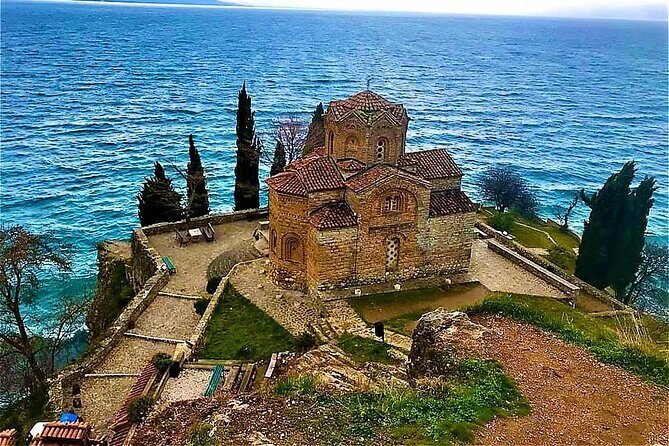
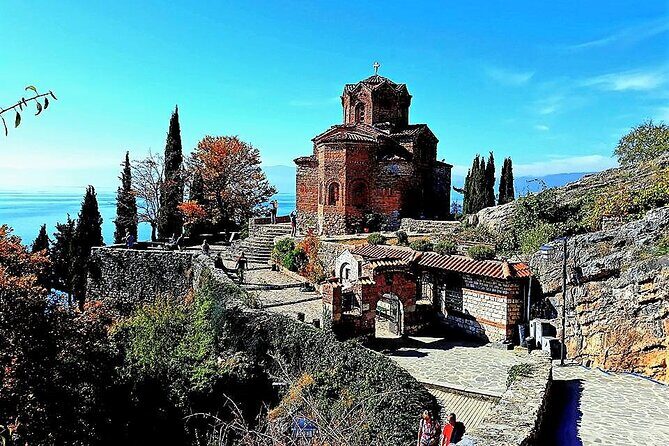
Near the Icon Gallery, you’ll visit Sveta Bogorodica Perivleptos, also referenced with a longer name connected to St Clement—St Clement’s Church of the Holy Mother of God Most Glorious.
This is an important stop for context. It’s not just another church along the route. It fits the theme of Ohrid as a place where religious devotion, art, and education connect. A guided visit helps here because churches in this part of the Balkans can look similar if you’re only judging from the outside. With the right background, you start seeing how each site plays a role in the bigger picture.
The practical side is simple: you’ll get a guided orientation while you move through the church area before the tour shifts into Ohrid’s more fortress-and-academia-linked places.
Tsar Samoil’s Fortress: Power, Politics, and Practical Views
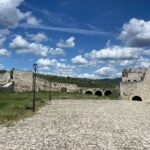
Next you walk to Tsar Samoil’s Fortress. The name matters. It’s tied to the first tsar of the Macedonian Slavs, who conquered Byzantium and brought much of Macedonia under his rule. That historical note changes the fortress from a scenic stop into something more political. You’re standing in a place designed for control—over territory, routes, and influence.
Fortress stops can vary a lot in quality depending on the guide’s framing. Here, the benefit is that your guide links the site to the story of statehood and regional history. Even if you don’t want a heavy lecture, the fortress gives you an easy way to feel the importance of the location. High points and stone walls always tell you something about how people thought about safety and authority.
You’ll be walking during this part, so take it at a casual pace and keep water in mind. If you’re sensitive to steps, keep your rhythm steady—this tour mixes drive time with multiple walking segments.
A few more Tirana tours and experiences worth a look
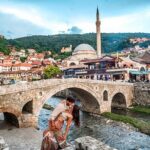
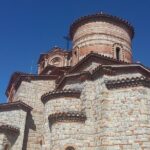
Plaoshnik and St Clement’s Monastery Church: Ohrid’s Spiritual Core
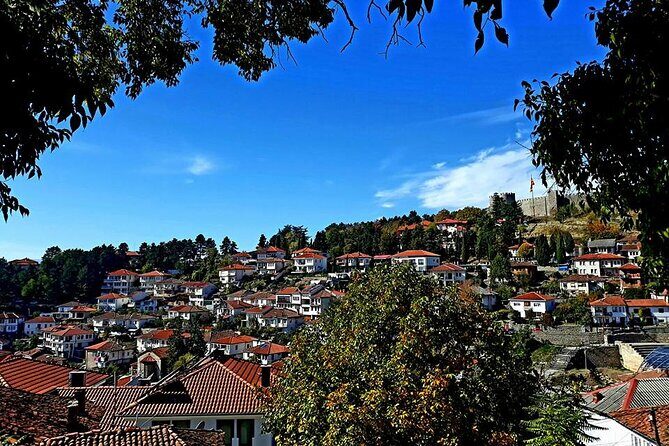
The tour then heads to Plaoshnik, the area where you visit the newly built St Clement’s Monastery Church. This is dedicated to St Clement and St Pantelejmon and sits beside the original site of St Clement’s University, described as the first university of the Macedonian Slavs starting in the 9th century AD.
This is one of the most meaningful stops in the day because it ties together three things you might not expect to meet in one place:
- religious devotion (the church setting),
- education and learning (the university reference),
- and individual legacy (St Clement’s role).
Inside the church, you can see the tomb with St Clement’s relics. Relics are the kind of detail that can sound abstract until you’re actually there. The guide’s explanation is what makes it click—why St Clement mattered to Ohrid and why people connect him to the region’s cultural development.
And outside the church, you’ll also see the foundations of a 5th-century basilica, which helps you feel the long continuity of worship here. If you like sites where the present sits on top of older layers, Plaoshnik is the stop that most clearly delivers that feeling.
This part of the day is marked as admission free for the stop. Still, keep in mind that the overall tour says all fees and taxes aren’t included—so if you add anything outside what’s scheduled, confirm costs on the spot.
What the $335.70 Price Buys You (and When It’s a Good Deal)
At $335.70 per person, this isn’t a cheap day trip. The value comes from how much is folded in for you: air-conditioned transport, a licensed tour guide, and a structured circuit through major sites that otherwise would require your own planning.
For me, this price makes sense if you:
- want the drive handled (about 2.5 hours each way),
- care about getting explanations at the right moments,
- and prefer a guided walk through multiple key religious sites rather than piecing together a DIY route.
It’s less appealing if you’re the type who likes to roam freely and you’re already comfortable reading the area and mapping stops on your own. You also need to factor what isn’t included. Lunch isn’t included, and the tour also notes that all fees and taxes aren’t included overall. So you may spend extra on food and any optional add-ons.
One more detail: the group stays under control—maximum of 20 travelers. That can be a big deal at religious and museum sites, where hearing the guide matters.
The Pace, the Walking, and the Kind of Traveler Who’ll Enjoy It
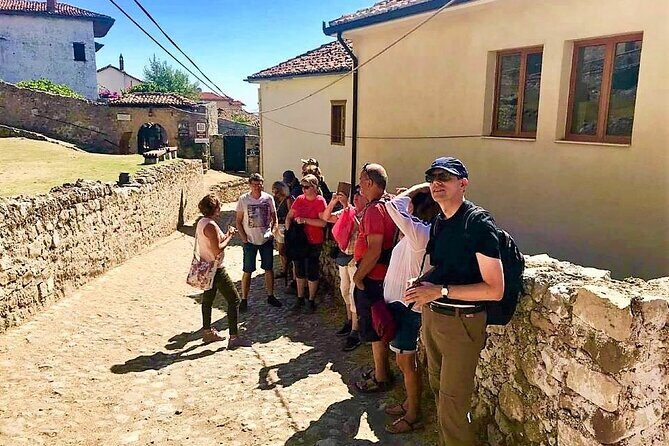
This is a full-day group outing lasting about 8 hours. You’ll likely feel that in your legs, because the day includes walking between the church areas, the amphitheater/gallery area, and then into the fortress and Plaoshnik zone. It’s not described as a strenuous hike, but it is a walking day.
I think this tour suits you if:
- you like churches and want real context, not just photos,
- you want a guided “why this matters” explanation for St Clement and Ohrid,
- and you’d rather spend your time learning than organizing transport.
You might want to choose a different option if you:
- hate early starts,
- have limited mobility or need lots of frequent breaks,
- or you’re mainly after lake views and beach time (this day is very focused on heritage sites).
The overall feel is cultural and historical, with the day structured so you don’t have to decide what to do next. If that’s your style, you’ll appreciate the clarity.
Guide and Group Size: Why It Matters on a Day Like This
Small group size isn’t just trivia here. With up to 20 travelers, it’s easier for the guide to keep everyone together and easier for you to ask questions without shouting.
The guide quality is also a standout theme in what people say about the experience. One guide name that comes up is Adam, praised for being prompt and making a solo traveler feel welcome right away. Even if you don’t meet Adam, the point is that the tour emphasizes a friendly, organized start—hotel pickup that actually happens on time and a guide who sets the tone early.
That first interaction matters on tours where you’re leaving a familiar place and heading into a new area. A calm, clear beginning helps the rest of the day feel smoother.
Should You Book This Ohrid Day Trip From Tirana?
Book it if you want a guided heritage day that covers multiple standout sites in a single trip: St Sophia, the Roman amphitheater, the Icon Gallery, Tsar Samoil’s Fortress, and Plaoshnik/St Clement’s church and relics. It’s a strong pick if you value explanations and you’d rather not spend your day figuring out routes and timing.
Skip it if your priority is relaxing time over sightseeing, or if you’d rather build your own schedule for museums and churches. Also keep in mind the day length and the lack of included lunch, so plan food and wear shoes you’re happy to walk in.
If you want one well-paced day that connects Ohrid’s sacred art, ancient ruins, and St Clement’s legacy—this is a good match.
FAQ
What time does pickup start in Tirana?
Pickup starts at 8:30am.
How long is the full-day trip to Ohrid?
The tour duration is approximately 8 hours.
Is hotel pickup included?
Yes. The tour offers hassle-free hotel pickup from Tirana.
Are admission tickets included?
Admission is listed as included for the first stop (marked with an admission ticket included), while the second stop is marked free. The tour also notes that all fees and taxes aren’t included.
Is lunch included?
No. Lunch is not included.
What is the cancellation window?
You can cancel for a full refund up to 24 hours before the experience start time.