REVIEW · TIRANA
“Two-Day UNESCO Heritage Tour: Berat, Gjirokastra & Butrint”
Book on Viator →Operated by Guidealbania · Bookable on Viator
Three UNESCO sites in two days sounds intense. This southern Albania route strings together Berat, Gjirokastra, and Butrint, plus the Blue Eye, Ksamil, and Saranda, with a real guide and a hotel night. I really like the way the day is structured so you get Ottoman-era town details and castle views without feeling lost, and I like the private feel that lets your group move as one.
I also like that breakfast is included, and you land overnight with time to reset before the next big day. The main catch is pace: it starts early and it’s a lot of driving and sightseeing in a short window, so if you want lots of slow, sit-down time, plan to skip some extras on your own.
In This Review
- Key Things I’d Plan Around
- UNESCO in Two Days: A Very Focused South Albania Sampler
- Price and Value: $288.24 for Two Days of Moving (and One Hotel Night)
- Meet Adi (or Someone Like Him): Why the Guide Changes Everything
- Day 1: Berat’s Thousand Windows and the Ottoman Town Feel
- Berat’s Watch-Out: It Can Feel Steep and Walking-Heavy
- Gjirokastra After Lunch: Stone Houses, Castle Views, and Old Bazaar Time
- Gjirokastra’s Watch-Out: Add Energy to Your Lunch-to-Castle Stretch
- Day 2 Morning: The Blue Eye’s Deep Color and Easy Nature Pace
- The Practical Note on the Blue Eye
- Butrint National Park: From Amphitheater to Lion’s Gate (Plus the Museum Ticket)
- Butrint’s Watch-Out: Use the Guide Time
- Ksamil and Saranda: Beach Time Without Losing the Plot
- Ksamil and Saranda’s Watch-Out: Don’t Expect Full Beach Day
- What’s Included (and What That Means for Your Comfort)
- Who This Tour Suits Best
- Should You Book This Two-Day UNESCO Heritage Tour?
- FAQ
- What time does the tour start?
- Which UNESCO World Heritage sites are included?
- Is breakfast included?
- What’s included for entrance fees?
- How long is the tour?
- Is this a private tour?
- Can I cancel for a refund?
Key Things I’d Plan Around
- Three UNESCO World Heritage stops, in one efficient loop: Berat, Gjirokastra, and Butrint keep the trip focused and high-impact.
- A guide who makes the towns click: You’re with a professional English-speaking guide, and the name Adi comes up a lot for good reason.
- Hotel night with breakfast: You’re not racing through the whole route on day trips only.
- Morning nature break at the Blue Eye: You get the calm part of the trip early on day two.
- Ruins plus Ionian coast time: Butrint history is paired with Ksamil and Saranda so you’re not stuck in ruins all day.
- Admissions are a mix, so check your coverage: Many things are listed as free in the schedule, and the Butrint Archaeological Museum ticket is included, but Butrint park admission is noted separately.
UNESCO in Two Days: A Very Focused South Albania Sampler
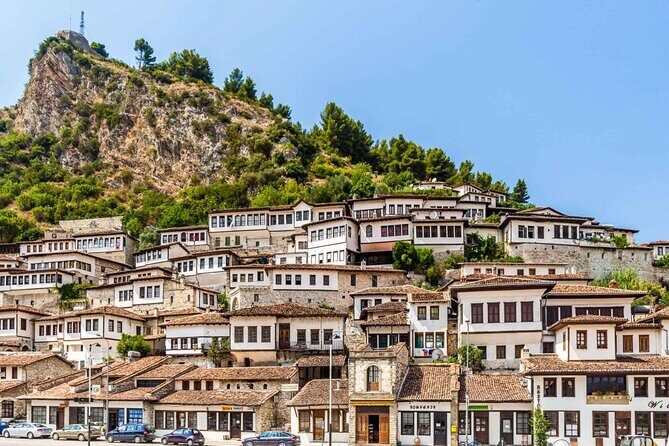
If you’re short on time but want the best of southern Albania, this route is built for you. You start in Tirana and work your way down through three UNESCO World Heritage sites, then add nature (the Blue Eye) and sea time (Ksamil and Saranda). The result is a trip that feels like “a full picture,” not just a checklist.
The value here is the balance of structure and flexibility. You’re not trying to figure out bus connections between towns, and you’re not stuck waiting around while other people catch up. With hotel pick-up and drop-off plus an air-conditioned vehicle, the logistics stay in the background so you can focus on what you’re seeing.
The pace is also the biggest reason this works: with two days, you’ll cover a lot. But it’s also why you’ll want comfy shoes and realistic expectations for downtime.
Other Berat UNESCO and castle tours we've reviewed in Tirana
Price and Value: $288.24 for Two Days of Moving (and One Hotel Night)
At $288.24 per person, the price isn’t just paying for “a driver and a map.” You’re also getting a professional English-speaking guide, an overnight stay with breakfast, hotel pick-up and drop-off, parking fees, and an air-conditioned vehicle. For Albania’s south, where distances between stops add up, that packaging matters.
Here’s how I judge value on tours like this:
- Do you avoid the costly time-sink of self-planning? You do.
- Do you get entry coverage where it counts? The Butrint Archaeological Museum ticket is included, and the schedule lists admissions for some parts as free.
- Do you get a real human guide instead of just transportation? Yes, and Adi is repeatedly praised for making the history feel clear and for keeping the experience comfortable and safe.
One small planning note: the schedule mentions Butrint park admission as not included, even though the museum ticket is listed as included. So if you’re budgeting carefully, it’s worth confirming what you’ll be charged on the day.
Meet Adi (or Someone Like Him): Why the Guide Changes Everything
The guide is a big deal on this kind of tour because these towns reward context. Berat isn’t just pretty buildings—it’s the story of how architecture adapts over centuries. Gjirokastra’s stone houses and castle views make more sense when someone explains what you’re looking at. And Butrint is archaeology: it’s easier to enjoy when someone helps you read the site.
Adi is specifically highlighted in the top feedback as knowledgeable and caring, with a calm, gentlemanly approach that helps you feel safe. People also mention he shares a strong love for Albania, and that makes the stops feel personal rather than like a routine “stand here, take photo, go.”
Even if your guide isn’t Adi, aim for the same experience: ask questions early. The quickest way to make the tour pay off is using the guide time actively, especially in Berat’s quarters and inside Gjirokastra’s castle area where details matter.
Day 1: Berat’s Thousand Windows and the Ottoman Town Feel
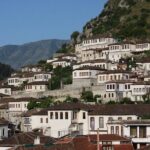
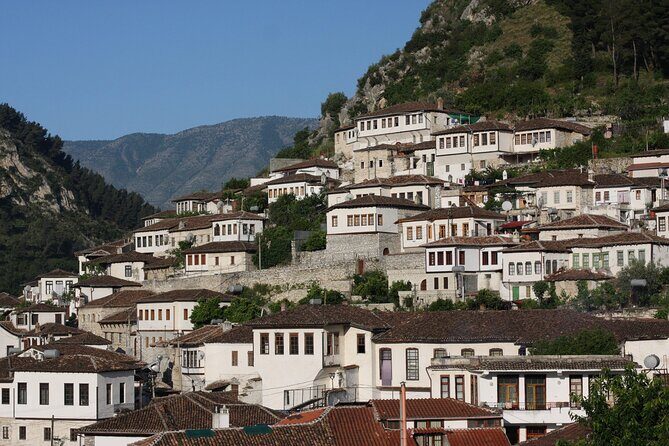
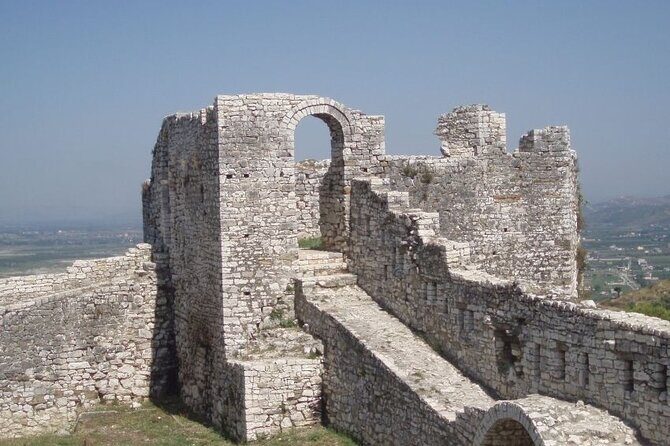
Day one is centered on Berat, often called the City of a Thousand Windows. You drive from Tirana into the Albanian countryside, and once you arrive, you shift from road views to town details fast. Berat’s main charm is that the city doesn’t feel like a museum set. It still has real neighborhoods—especially the Ottoman-era quarters that people walk through every day.
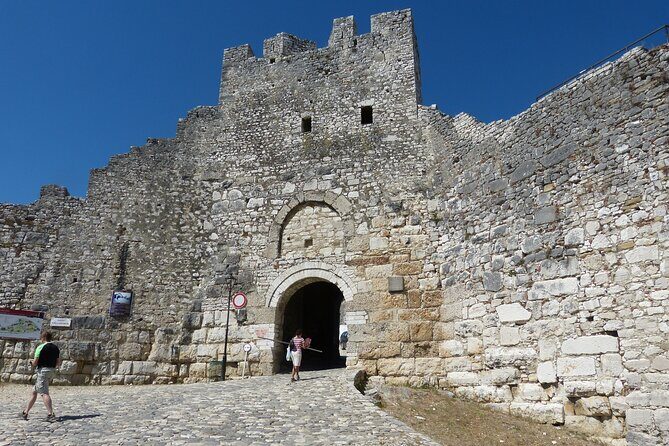
You’ll spend time with the Castle of Berat, which gives you that classic “how did they build here?” perspective. From the castle areas, you can take in the layered town shape and the way the city climbs and curves. It’s one of those spots where photos actually help, because they show scale.
Then you move through the Mangalem and Gorica quarters. This is where the nickname makes sense: the architecture is defined by windows, balconies, and the way buildings face inward and outward. You’re not just ticking off sights—you’re seeing how daily life shaped the look of the streets.
A practical tip: Berat’s best viewing moments come when you stop moving. Let yourself pause—especially near viewpoints—because the quarters are meant for slow observation.
Berat’s Watch-Out: It Can Feel Steep and Walking-Heavy
Berat’s historic areas are compact but not flat. If you’re sensitive to hills, keep that in mind for castle walks and quarter strolls. It’s not a deal-breaker, but it’s the kind of comfort issue that matters in a two-day schedule where your legs need to carry you again the next day.
Other Saranda, Ksamil and Blue Eye tours in Tirana

Gjirokastra After Lunch: Stone Houses, Castle Views, and Old Bazaar Time
After Berat, you head toward Gjirokastra, with a lunch break built into the day. Lunch includes a stop at a Cold water Tepelen restaurant with views over the mountain in front and the river below. That’s a nice reset point because the trip is still moving, but you’re changing scenery from city stone to mountain-and-water perspective.
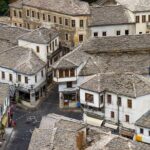
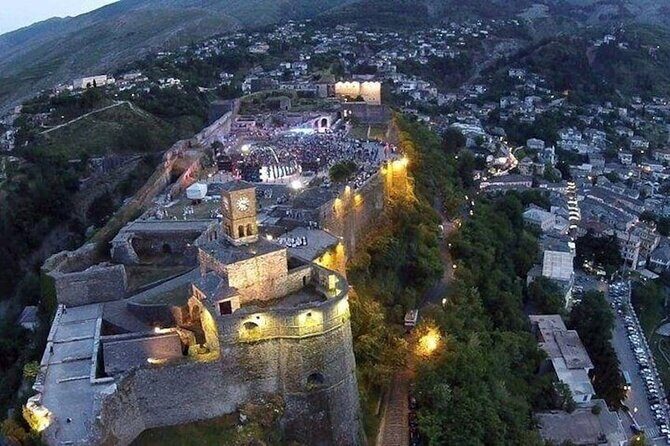
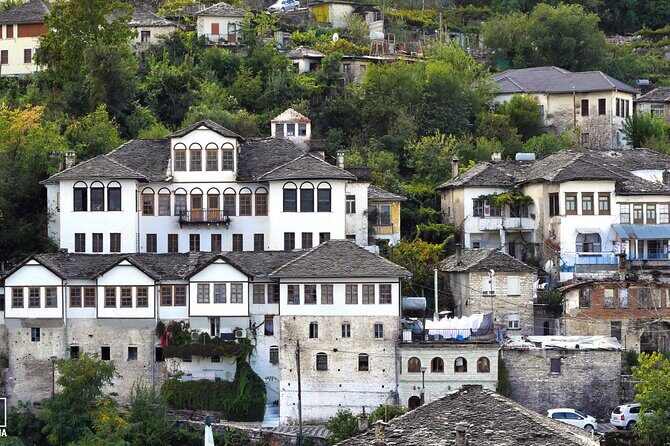
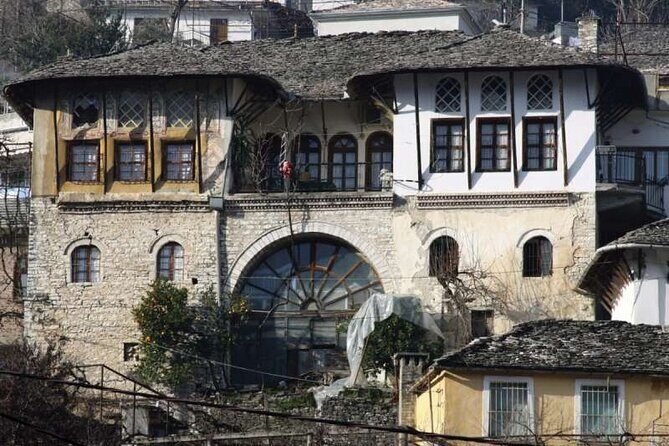
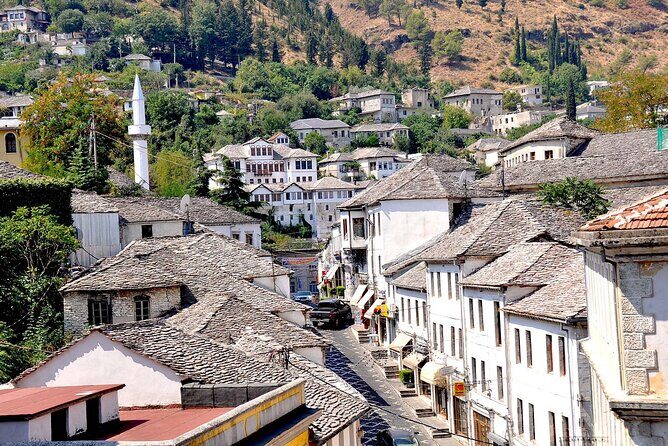
Gjirokastra is known as the City of Stone, and you feel that in the streets immediately. The charm is the mix of stone-built houses, cobbled lanes, and the Ottoman and medieval architecture that shaped the town’s look. It feels sturdy and deliberate, like it was designed to survive time.
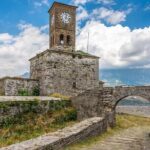
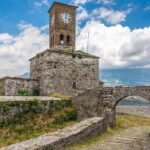
At the top of the priorities is Gjirokastra Castle. It’s one of the largest castles in the Balkans, and it gives panoramic views over the city and the Drino River valley. Even if you’re not a “castle person,” the viewpoint is the payoff because it shows how Gjirokastra sits in its wider geography.
Once the castle time is done, you get free time in the Old Bazaar. This is your chance to slow down and make the town real. You can wander at your own speed and look for the iconic buildings clustered in the bazaar area.
You’ll also visit the Skenduli House, a well-preserved Ottoman-era house that shows how wealthy merchants lived. This is the kind of stop that turns architecture into story: it’s easier to picture the town’s past once you see how interior layout and household space worked.
Gjirokastra’s Watch-Out: Add Energy to Your Lunch-to-Castle Stretch
Gjirokastra is a “big-sight” day portion. After lunch, your energy needs to be good for castle climbing and viewpoint time. If you’re prone to fatigue, eat a steady lunch and drink water before you head up—this tour packs the most walking right after the scenery break.
Day 2 Morning: The Blue Eye’s Deep Color and Easy Nature Pace
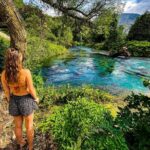
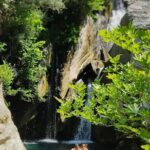
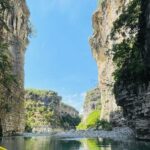
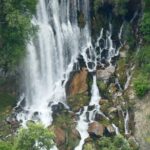
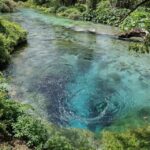
Day two starts with breakfast, then you head to the Blue Eye (Syri i Kaltër). This natural spring is famous for its intense blue and turquoise look, with a deep center that resembles an eye. The water color effect is the star here, but the setting matters just as much: dense greenery and a cool, fresh-air feeling around the spring.
Plan on about an hour or two of time at the Blue Eye. You can walk along scenic trails, look for the best viewing angles, and take photos without rushing. If your first day focused on built heritage, this is the reset—nature does the calming for you.
It’s also a good mental rhythm shift. After Berat and Gjirokastra’s stone textures, the Blue Eye feels like a different world.
The Practical Note on the Blue Eye
You’ll likely want comfortable footwear again. Trails are typically easier than city stairs, but you’ll still be moving around the area. Also, don’t plan this as your “only photo stop” unless you’re okay with the tour schedule steering your timing.
Butrint National Park: From Amphitheater to Lion’s Gate (Plus the Museum Ticket)
After the Blue Eye, you drive to Butrint National Park. Butrint is a UNESCO site and one of Albania’s most important archaeological treasures. You’re stepping into layers of time: Greek, Roman, Byzantine, and Venetian influences all appear across the ruins.
This is where the tour balance pays off. You don’t just stare at big ruins—you get a guided read of what you’re looking at. You’ll see highlights like the amphitheater, the grand basilica, ancient city walls, and the iconic Lion’s Gate. It’s about more than aesthetics. These are physical clues to how people lived, fought, worshiped, and governed.
You’ll have about an hour at the park. That’s a strong amount of time for a concentrated highlights visit, especially with a guide helping you connect the dots quickly.
Admission matters here. The included items list says the entrance ticket to the Butrint Archaeological Museum is included. But the schedule also notes Butrint park admission as not included. So you’ll be smart to bring some flexibility in your budget for possible additional fees on-site.
Butrint’s Watch-Out: Use the Guide Time
An hour at Butrint can fly by if you’re just wandering. Make the most of the guided explanations, because archaeology gets better when you know what each site represents. Ask quick questions while you’re there so the walking doesn’t turn into “look, more stones.”
Ksamil and Saranda: Beach Time Without Losing the Plot
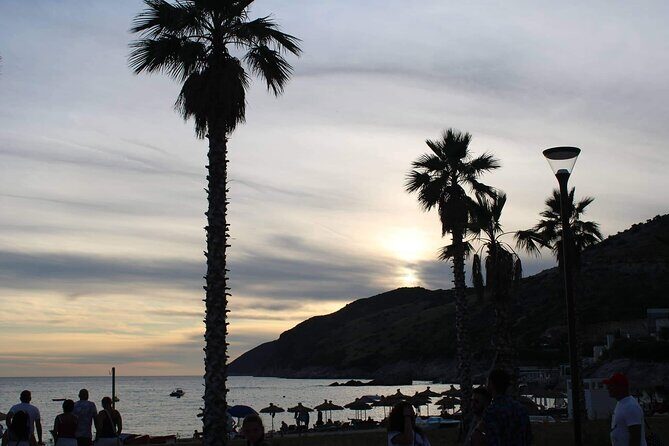
After Butrint, the tour shifts from ruins to coastline. You reach Ksamil Beach in about 45 minutes. Ksamil is known for white-sand beaches and clear turquoise water, plus the Ksamil Islands just offshore. This is the part of the trip where you can finally exhale and let the scenery do its work without you having to learn anything.
You’ll have about an hour here. That’s enough time for a swim, a relaxed walk, or snorkeling/snorkel-style exploring near the islands. It’s also the time to slow down and enjoy the basic pleasure of being at the sea.
Then you drive to Saranda, about 30 minutes. Saranda is often called the Pearl of the Albanian Riviera. Here the vibe is more social: you’ll find beaches, seafood restaurants, and a lively atmosphere. It’s also a practical base area if you want to connect to Ionian islands later, since ferry connections exist from the area.
Ksamil and Saranda’s Watch-Out: Don’t Expect Full Beach Day
This is beach time, not a long resort break. If you want a whole day on the sand with zero schedule, you’ll want a different style of trip. For this tour, beach time is a reward after the history stops—use it for one or two priorities like swimming and a coastal stroll.
What’s Included (and What That Means for Your Comfort)
Here’s what you’re actually paying to get, beyond the headline sites:
- Breakfast on the overnight day
- A professional English-speaking guide
- Hotel accommodation (one night)
- Air-conditioned transport
- Parking fees
- Hotel pick-up and drop-off
- Entrance ticket to the Butrint Archaeological Museum
This matters because it removes the two biggest friction points in southern Albania: transportation planning and where to spend time during ticket lines. With the guide handling the flow, you can keep moving and keep seeing.
Also, the tour is private, so your group travels together rather than joining a mixed crowd. That usually means fewer stops and less waiting.
One small note on suitability: the tour information says it’s not for visitors with serious health problems, so if that applies, check first.
Who This Tour Suits Best
This is ideal for:
- First-time visitors who want the “southern Albania highlights” without months of planning
- People who like a guide-led experience in stone towns and archaeological sites
- Travelers who can handle a fast pace across two days (early start, long drives, guided stops)
It’s less ideal if:
- You want a slow trip with long free afternoons
- You’re sensitive to hills and walking in historic areas
- You need lots of downtime between major sights
Should You Book This Two-Day UNESCO Heritage Tour?
I’d say book it if your priority is maximum value in a short window. The pairing is smart: UNESCO heritage (Berat, Gjirokastra, Butrint) plus the Blue Eye’s natural beauty plus real sea time at Ksamil and Saranda. You’re not just touring buildings—you’re getting a full sense of the south’s mix of architecture, nature, and coast.
I’d hesitate only if you’re craving a relaxed vacation rhythm. This is a “see a lot” route, and the payoff comes when you’re okay with moving from one highlight to the next.
If you do book, I’d choose this mindset: treat the guide as your advantage. Ask questions at Berat’s quarters and Gjirokastra’s castle, and use the one-hour Butrint slot for the biggest sights with understanding—not just photos. That’s when two days start to feel like you got much more than you paid for.
FAQ
What time does the tour start?
The start time is 8:30 am, with hotel pick up included.
Which UNESCO World Heritage sites are included?
You visit UNESCO sites in Berat, Gjirokastra, and Butrint.
Is breakfast included?
Yes. Breakfast is included with the overnight stay.
What’s included for entrance fees?
Entrance ticket to the Butrint Archaeological Museum is included. In the schedule, some other site admissions are listed as free, but Butrint park admission is noted separately.
How long is the tour?
It’s listed as approximately 2 days.
Is this a private tour?
Yes. It’s private, and only your group participates.
Can I cancel for a refund?
Yes, you can cancel up to 24 hours in advance for a full refund.