REVIEW · TIRANA
Best of Berat and Durres Full Day Tour
Book on Viator →Operated by Travel Albania · Bookable on Viator
Roman ruins and icon paintings in one day? This full-day tour stitches together Durres’ ancient layers and Berat’s Ottoman-and-Byzantine quarters, with enough time at each stop to actually see what people come for.
I really liked how the story of ancient Dyrrachium and the Via Egnatia trade route leads right into the Roman amphitheatre—you don’t just look at stones, you get the why behind them. I also liked the Onufri Museum area in Kala, where painted icons are shown in their proper church setting rather than like a detached “thing to tick off.”
One drawback to plan for: the day runs about 8–9 hours with lots of short stops. If you’re the type who needs frequent bathroom breaks or you’re picky about water, don’t assume it will be automatic—ask early and be ready.
In This Review
- Key highlights (quick hits before you go)
- Why this Durres + Berat day trip works (and who it suits)
- Pickup, timing, and the “8–9 hours” reality
- Bathroom and water planning (based on real-world expectations)
- Durres: from Dyrrachium to Roman scale, Byzantine civic space, and the Venetian Tower
- Old Town, ruins, baths, and the city-center sweep
- The Roman Amphitheatre: Trajan’s showpiece and a 20,000-seat survivor
- Venetian Tower: Byzantine roots with Ottoman-era coastal defense logic
- Byzantine Forum: a civic center that still shows its shape
- Durres beach promenade: short, sweet Adriatic reset
- Berat Castle hill and Kala quarter: the small streets behind the fortress
- Onufri Museum in the Church of Dormition, plus Byzantine church and Ottoman mosque details
- Onufri Museum: icons in a church that makes them feel real
- Byzantine-era church and the feel of preserved structure
- Ottoman-era worship at the King Mosque (Sultan Bayezid Mosque)
- Halveti Tekke, Mangalem’s windows, and the Ottoman bridge that looks like it smiles
- Halveti Tekke: columns from Apolonia and built for sound
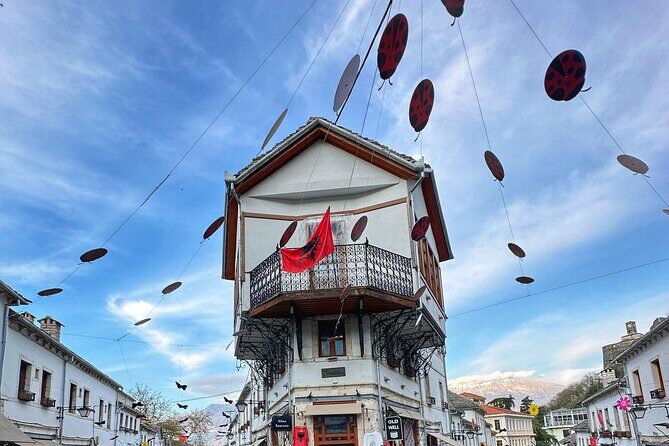
- Mangalem quarter: the “City of 1000 Windows” look
- Gorica Bridge: seven arches, a gradual form, and those charming “windows”
- Price and value: what $142.02 really buys you
- Who should book this Best of Berat and Durres day trip?
- Should you book it? My practical take
- FAQ
- What time does the tour start?
- Where does pickup happen?
- Is pickup available outside Tirana?
- How long is the tour?
- How many people are in the group?
- What language is the tour offered in?
- Are entrance tickets included?
- Is bottled water included?
- Are meals included?
- Is the tour canceled for bad weather?
Key highlights (quick hits before you go)
- Durres hits big-scale Roman heritage with a Trajan-era amphitheatre (and UNESCO-world-heritage-site curiosity in the mix).
- Venetian Tower is a defensive story told through a 2023 renovation and a digital, multimedia Heritage Interpretation Center.
- Byzantine forum vibes still feel real because you’re in the middle of the old civic space, not behind a fence and a slideshow.
- Kala quarter feels lived-in—whitewashed streets, courtyard views, and the hilltop fortress backdrop.
- Onufri Museum turns icons into context inside the Church of the Dormition of St Mary.
- Mangalem’s “City of 1000 Windows” look plus the seven-arch Gorica Bridge makes the day feel visually varied.
Why this Durres + Berat day trip works (and who it suits)
This is the kind of day that makes Albania feel bigger than you expected. In Durres, you’re moving through centuries of Mediterranean trade and empire-building—Greek colonists to Romans to Byzantines—then you jump to Berat for Ottoman-era neighborhoods and the icon tradition that still defines the city’s look.
What makes the pairing smart is the contrast. Durres is flatter, coastal, and about public monuments: forums, baths, big structures. Berat is hilltop, intimate, and about neighborhoods: Kala’s stone lanes, Ottoman mosques, and the Osumi River’s bridges and views. If you like history that you can see in space—not just read about—this format helps.
It also works if you want a guided day that doesn’t feel like a marathon. The tour is offered in English, runs about 8–9 hours (and already includes travel time), and caps at 12 travelers, which keeps it from turning into a herd.
If you dislike long road days or you need lots of downtime, this might feel intense. The route is packed, and the stop times are short at several sites.
Other Berat UNESCO and castle tours we've reviewed in Tirana
Pickup, timing, and the “8–9 hours” reality
The tour starts at 9:00am, and pickup is available from anywhere inside Tirana—you just need to communicate your exact pickup point after booking. If you’re outside Tirana, there’s an extra cost paid directly to the guide in cash, PayPal, or bank transfer.
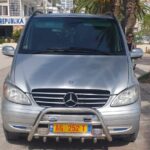
One practical thing: your total duration already includes travel time. So even if individual stops look brief on paper, you’re not wasting time figuring out connections. You’re in an air-conditioned vehicle, and you’ll have a licensed tour guide and a professional driver.
The value part here is mental comfort. A small group plus a guide means you spend your attention on the sights, not on navigation, ticket lines, or whether your bus is the right one. Still, “small group” doesn’t mean “slow pace.” You’ll be doing quick walks, photo stops, and focused viewing.
Bathroom and water planning (based on real-world expectations)
The tour description includes bottled water, and that’s a good sign. But at least one previous guest reported that water wasn’t provided when asked and that there were limited bathroom breaks. I can’t promise every day runs the same, so do this: at pickup, confirm whether water will be available and when the next restroom stop will be. Then handle the rest like an adult—wear shoes you can walk in, and don’t wait until you’re desperate.
Durres: from Dyrrachium to Roman scale, Byzantine civic space, and the Venetian Tower
Durres is where this tour shows off its historical range. The anchor story begins with Dyrrachium, founded by ancient Greek colonists around the 7th century BC. From there it becomes central to Roman rule and the Byzantine era. One of the coolest background facts you’ll hear is that the crucial Via Egnatia—a major route across the Balkan Peninsula—started in this city and stretched all the way toward Constantinople.
Old Town, ruins, baths, and the city-center sweep
Your Durres time is built around getting a “complete city feel,” not just a single monument. Expect an exploration that includes the Old Town, ruins tied to the Byzantine forum and walls, the Roman baths, and time in the modern city center.
Why this matters: ruins feel stronger when you can locate them. If you only see one isolated stop, you’re left guessing how it connected to everyday life. This routing helps you piece together how civic life, religion, and trade likely flowed.
Potential drawback: because there are several elements packed into Durres, you won’t linger for long. If you love slow, deep museum-style pacing, the time can feel short.
Other Durres tours we've reviewed near Tirana

The Roman Amphitheatre: Trajan’s showpiece and a 20,000-seat survivor
Next is the Roman Amphitheatre of Durrës—and yes, it’s the big deal. Construction began under Emperor Trajan in the 2nd century AD. Earthquakes damaged it in the 6th and 10th centuries, but it survived long enough to become a major archaeological landmark. It was discovered in late 1966, and it’s often cited as the largest Roman amphitheatre built in the Balkans, with a capacity once estimated at 20,000 people.
This is included on the tour, and admission is part of the ticket for this stop. Plan to take a few minutes just standing where crowds would have been. Even if you don’t count the seating tiers, you can feel how people gathered and watched the city’s public life unfold.
Venetian Tower: Byzantine roots with Ottoman-era coastal defense logic
Durres also includes the Venetian Tower, described as one of the most beautiful defensive structures in the city. It’s part of what people call the Byzantine fortress system along the western Adriatic coast. The tower’s roots trace back to early Byzantine construction effort under Emperor Anastasius I (491–518). The current fortress tower shape is linked to later rebuilding efforts around the 15th century, and it was fortified with cannons to protect the city from the sea and to support observation.
Here’s what makes this stop worth your attention today: the tower was renovated in 2023 and now functions as the first Albanian Heritage Interpretation Center, using digital and multimedia tools. So you get both the physical defense structure and a guided “explain it to me” layer that doesn’t rely on your own background knowledge.
Byzantine Forum: a civic center that still shows its shape
The Byzantine Forum sits in the heart of Durres and dates to around the end of the 6th century, built under Emperor Anastasios. It’s noted as one of Albania’s outstanding Late Roman and Early Byzantine structures and is said to resemble Constantine’s Curved Forum in Constantinople (even though that one was destroyed in 1204 during the Fourth Crusade).
What I like about this stop is the sense of geometry. The forum’s circular paved area suggests it was used for formal events. The rotunda is believed to have held a giant statue long gone, and market and trade activity likely centered around it.
In plain terms: this is where you can understand how “public space” worked when empires were doing the big-city thing.
Durres beach promenade: short, sweet Adriatic reset
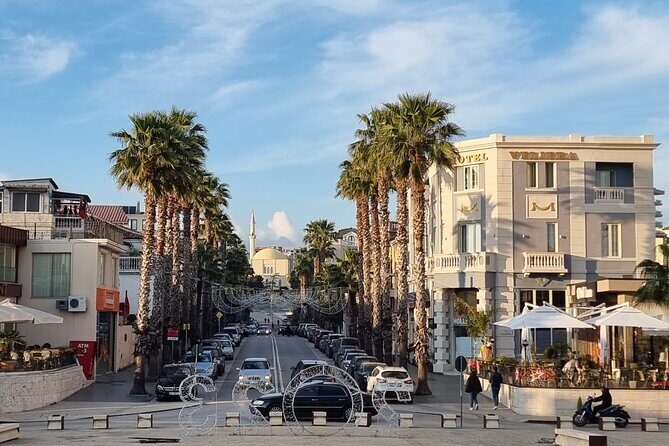
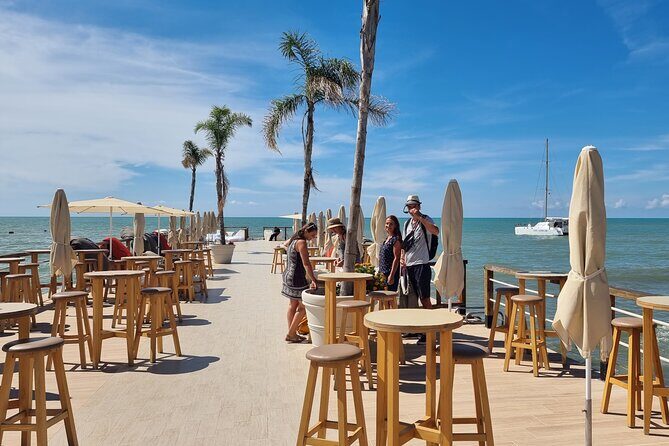
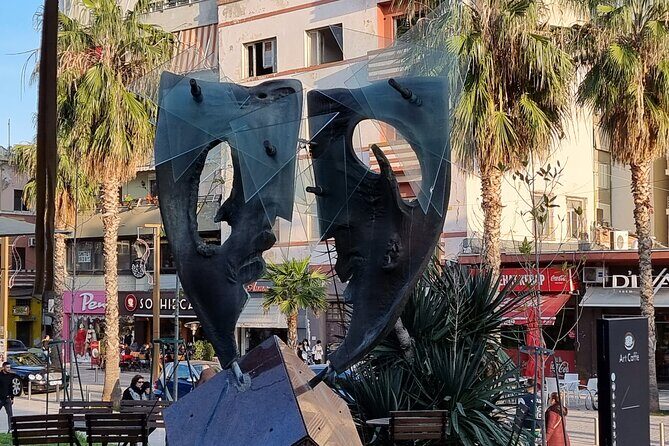
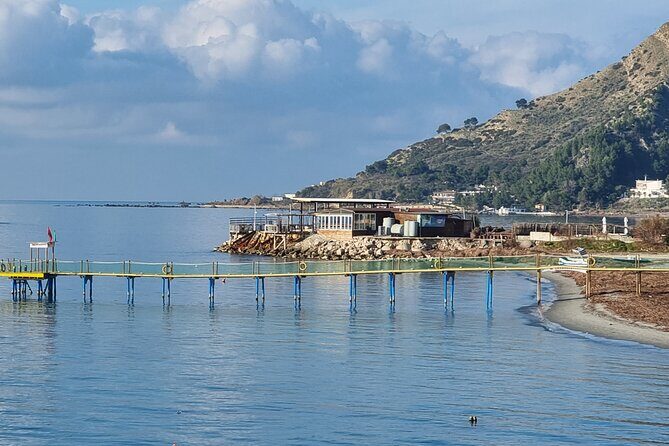
After the monuments, you get a break on the Durres Beach Promenade. It’s about getting fresh air and swapping your brain from “ancient civic life” to “sea-level reality.” You’ll have time for a stroll, plus the chance to grab a cafe drink or snack from the many places along the shore.
This stop is free time rather than a ticket site, which makes it flexible. If you want better photos, it’s also one of your best stretches—flat light, wide views, and the sense of the Adriatic pulling the city forward.
Berat Castle hill and Kala quarter: the small streets behind the fortress
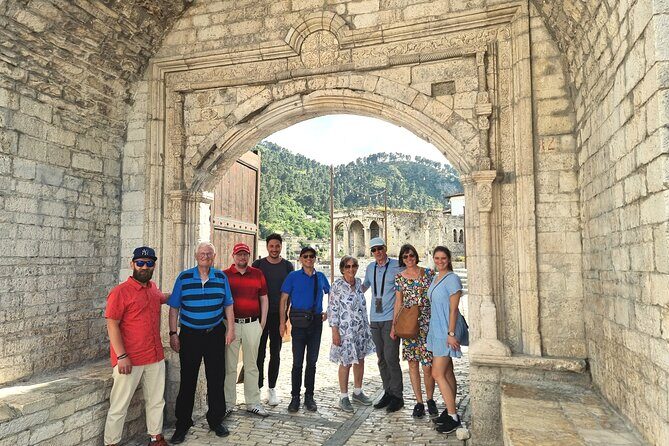
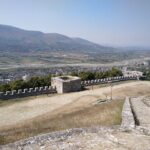
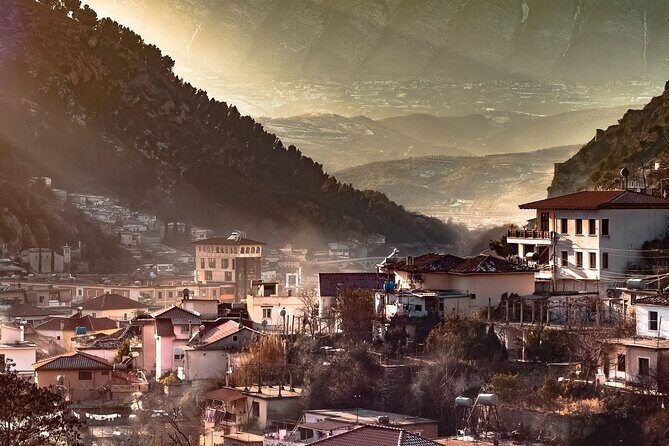
Then you shift gears to Berat, and the mood changes fast. Berat sits under its fortress, and the hilltop neighborhood of Kala feels like the story’s spine.
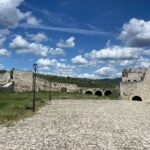
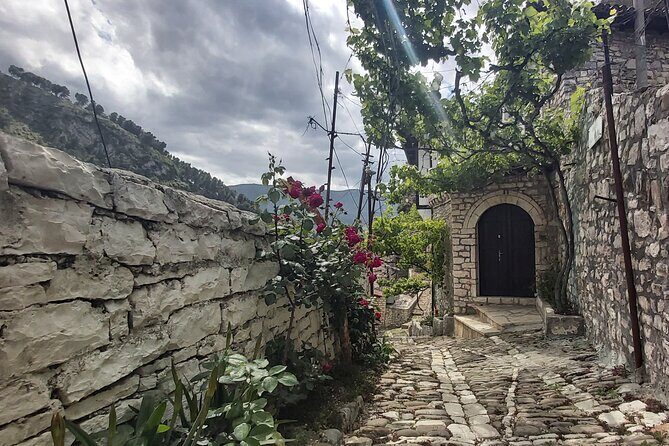
Your stop includes time around the fortress area and the Kala quarter. The description focuses on the whitewashed, village-like feel of the streets inside the walls. If you wander a bit, you’ll find courtyards that look like ruins or small chapels—people don’t mind that you pause to look, which says a lot about how locals relate to visitors here.
This is also where the tour tries to give you “architectural listening”—not just landmark viewing. Berat’s beauty is in how the town holds itself together on steep terrain.
The main consideration: this is a walking-heavy portion in a hilly area. The tour says most travelers can participate, but you should still wear comfortable shoes because you’ll move between viewpoints and streets.
Onufri Museum in the Church of Dormition, plus Byzantine church and Ottoman mosque details
Berat’s icon and church stops are the most “art meets place” part of the day.
Onufri Museum: icons in a church that makes them feel real
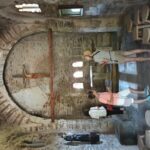
The National Iconographic Museum Onufri is in the Kala quarter in the Church of the Dormition of St Mary (Kisha Fjetja e Shën Mërisë). The church dates to 1797, built on foundations of an earlier 10th-century chapel.
Inside, you’ll see Onufri’s 16th-century religious paintings and the church’s gilded 19th-century iconostasis. The museum collection includes around 200 objects—icons, artworks, and liturgical items—spanning from the 14th to the 20th century, collected from regional churches and monasteries.
The tour guide context matters here. You’ll hear names of important Albanian icon painters, including Onufri, Nikolla (Onufri’s son), and Onufër the Cypriot. That naming isn’t trivia—it helps you notice recurring styles and themes instead of treating everything as equally “old.”
Admission for this stop is included.
Byzantine-era church and the feel of preserved structure
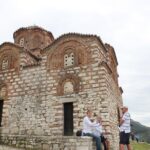
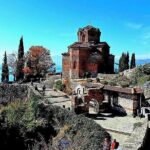
The itinerary also includes a church stop within the Kala area that’s described as one of the most visited and among the best-preserved Byzantine churches of Berat. Construction is tied to the end of the 13th century, supported by an inscription mentioning Andronicus Paleologus, governor of Berat.
Even if you’re not a Byzantine art scholar, preserved church details give you a fast way to understand why people care about this era.
Ottoman-era worship at the King Mosque (Sultan Bayezid Mosque)
Next comes the King Mosque, also known as the Sultan Bayezid Mosque. It’s described as one of the oldest mosques in Albania, built in the 15th century by Ottoman sultan Bayezid II. The tour notes that it underwent a full rebuild in the 19th century to prevent collapse, and it remains active today.
Inside, you’ll be able to see the women’s gallery with intricate painted designs, including decorations on its wooden ceiling.
Admission for the mosque stop is included.
If you care about religious architecture, this is one of the day’s strongest “compare and contrast” moments—Berat isn’t mixing eras randomly. It has recognizable layers.
Halveti Tekke, Mangalem’s windows, and the Ottoman bridge that looks like it smiles
Halveti Tekke: columns from Apolonia and built for sound
The tour includes Halveti Tekke, a worship place for Helveti Muslim dervishes or mystics. The building began as a 15th-century structure and was rebuilt in 1782 by Ahmet Kurt Pasha. There’s an inscription above the doorway dedicated to him.
Inside, you’ll find a small prayer hall plus an external portico, with columns that originate from Apolonia. A standout detail is a balcony designed to improve sound quality during religious rituals. That small architectural intention makes the building feel purposeful rather than just historical.
Admission is included for this stop.
Mangalem quarter: the “City of 1000 Windows” look
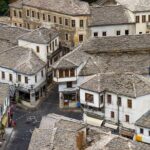
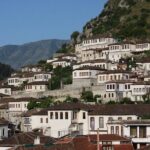
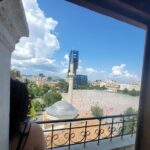
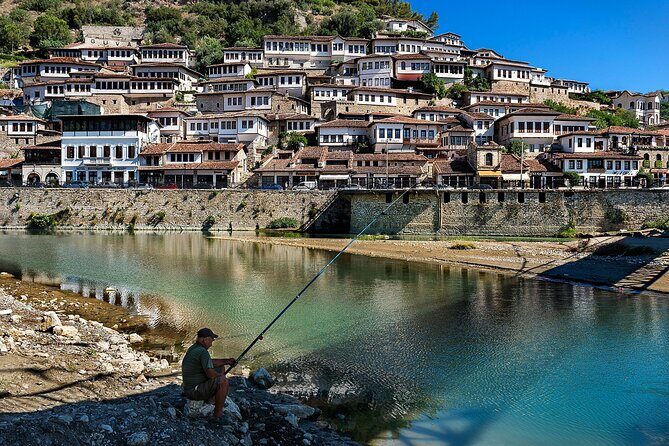
Then you get the Mangalem quarter, one of Berat’s oldest and most iconic districts. It sits north of the Osumi River and south of Kalaja. Historically, it’s been associated with Ottoman Islamic roots, which shows up in the urban fabric.
You’ll see centuries-old white stone houses, terracotta tiles, wooden doors, and flowers hanging from windows. The nickname City of 1000 Windows comes from the large, symmetrical windows that line the rocky hillsides.
This stop is free time without tickets, which is perfect for photos and just watching life move at human speed.
Gorica Bridge: seven arches, a gradual form, and those charming “windows”
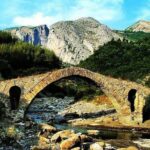
Finally, the day ends with Gorica Bridge, an Ottoman bridge in the center of Berat connecting the city to the Gorica neighborhood. It has a gradual arch about 10 meters tall and extends about 130 meters over the Osumi riverbed. It’s made of seven arches, with wooden railings and small “windows” that create a face-like look on the arches.
This isn’t a huge monument. It’s more interesting than that—because it’s playful in a calm, almost quiet way. It’s the kind of structure you remember for its shape after the rest of the day fades.
Price and value: what $142.02 really buys you
At $142.02 per person for a full-day outing, you’re paying for three big things: guided context, efficient transport, and multiple included admissions.
Here’s what’s clearly part of the cost experience:
- Pickup within Tirana and an air-conditioned vehicle for about 8–9 hours
- A licensed tour guide and professional driver
- Bottled water is listed as included
- Some admissions are included, including the Durres Roman amphitheatre, Berat Castle area, Onufri Museum, King Mosque, and Halveti Tekke (with other stops free)
What you should budget separately: meals and drinks aren’t included, nor are tips. You’ll want a plan for lunch—either bringing something small or choosing food near stops.
Is it good value? For a day that combines coastal Roman heritage with Berat’s religious art and Ottoman architecture, it’s priced in a reasonable range—especially because several key entrances are handled. The biggest risk to value is timing: if you get a guide who moves too fast for your style, you’ll feel the “short stop” effect more sharply. That’s true for any packed full-day tour.
Who should book this Best of Berat and Durres day trip?
This is a strong match if you:
- Want a guided first look at two major Albanian cities in one day
- Like history you can place physically—forums, amphitheatre, churches, mosques, quarters
- Enjoy mixed scenery: coastal Durres, hilltop Kala, river views and bridge details in Berat
- Prefer a small group (max 12) rather than a big bus crowd
You might want to choose a different option if you:
- Need lots of free time to wander without structure
- Hate tight schedules and quick viewing
- Get stressed by hills or by days that run long, especially in winter when daylight is shorter (this matters)
Should you book it? My practical take
I’d book this day trip if your goal is a real “both cities” overview: Durres for Roman and Byzantine public spaces, Berat for icons and Ottoman-era neighborhoods. The Venetian Tower’s 2023 multimedia center and the Onufri Museum in Kala are the kinds of stops that make the day feel more than just sightseeing.
Do book it with a small amount of strategy. Confirm water availability at pickup. Plan for bathroom breaks. And if you’re visiting in winter, be aware that the day can feel longer when there’s less daylight for views and walking.
If you get a good guide, this tour can turn into a lively conversation day. In past experiences with Ilir, the day was described as relaxing and fun, with strong historical storytelling. That’s exactly the difference between seeing places and understanding them.
FAQ
What time does the tour start?
The tour starts at 9:00am.
Where does pickup happen?
Pickup is available from anywhere inside Tirana. You’ll need to communicate your pickup point after booking.
Is pickup available outside Tirana?
Yes, but there’s an extra cost if pickup is outside Tirana. Payment can be made directly to the guide in cash, PayPal, or bank transfer.
How long is the tour?
It runs about 8 to 9 hours, and travel time is included in that duration.
How many people are in the group?
The tour has a maximum of 12 travelers.
What language is the tour offered in?
It’s offered in English.
Are entrance tickets included?
Some admissions are included. The Roman amphitheatre in Durres is included, as are the Berat Castle area, the Onufri Museum, the King Mosque, and Halveti Tekke. Other stops are free.
Is bottled water included?
Yes, bottled water is listed as included.
Are meals included?
No. Meals and drinks are not included.
Is the tour canceled for bad weather?
The tour requires good weather. If it’s canceled due to poor weather, you’ll be offered a different date or a full refund.