Nine stops, fast and memorable.
This is a tight, story-led way to understand Tirana, guided in English by hosts like Sabian who bring humor and crisp context. I love the pacing: you see major sights without needing a full day, and you get time to ask questions instead of just watching. The small-group feel (up to 30) keeps it comfortable and personal, especially if you are visiting for the first time.
I also like the mix of places: mosques, squares, a cathedral inside, plus two museums where the guide’s commentary helps you connect the dots. Most stops are free admission, so your budget stays predictable at $16.10 per person. One consideration: the two heavier stops (Secret Surveillance and Bunk’Art 2) have admission not included, so plan a little extra if you want full entry time.
In This Review
- Key highlights worth your time
- Tirana Hidden Treasures: a smart first-day route
- Clock Tower and the Mosque: start where Tirana looks up
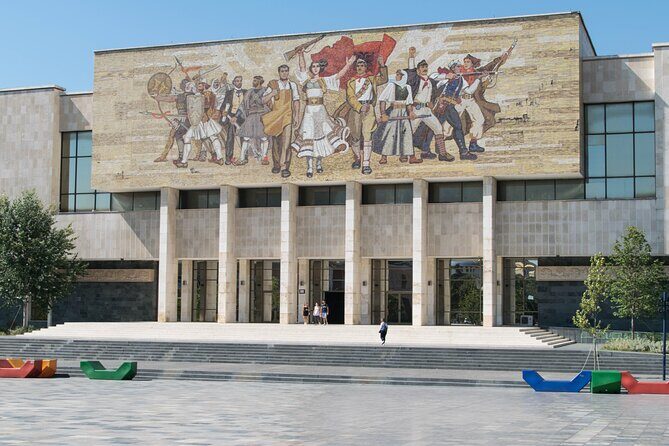
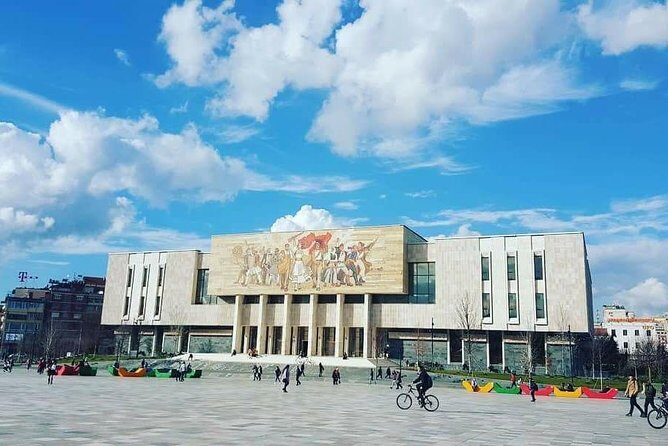
- Skanderbeg Square: public space, power, and quick context
- Secret Surveillance and the House of Leaves: when the tour turns serious
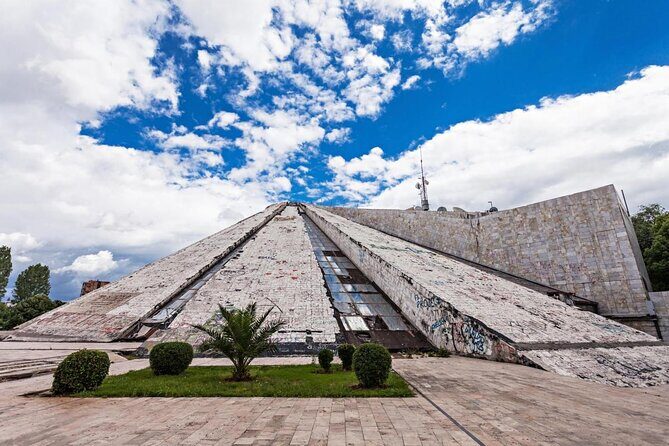
- Enver Hoxha Pyramid and the Bell of Peace: ideology on display
- Tirana Castle: a newly renovated fortress you can read from the outside
- Bunk’Art 2 and The Cloud: state control, interpreted in public
- Resurrection of Christ Orthodox Cathedral: the one indoor moment
- Rinia Park and the Independence Monument: a calmer pause
- Mosque of Namazgah: the big Balkans-scale statement
- Price and logistics: $16.10 that mostly pays for guidance
- Who should book this tour (and who should skip it)
- Should you book Tirana Hidden Treasures?
- FAQ
- How long is the Tirana Hidden Treasures Sightseeing Tour?
- What does the tour cost?
- Is the tour offered in English?
- What is included in the price?
- Are entrance fees included for the museums?
- Where does the tour start and where does it end?
- Is there a mobile ticket?
- What is the maximum group size?
- Is the tour near public transportation?
- What happens if the weather is bad or I need to cancel?
Key highlights worth your time
- English guiding with personality: expect lively explanations and room for questions
- Start at the Clock Tower for an easy anchor: meeting and ending are in the same place
- Mostly free sights: you can tour several landmarks without paying entrance fees
- A mix of faith and ideology in one route: mosques, a cathedral interior visit, and government-era sites
- Two serious museum stops: Museum of Secret Surveillance (House of Leaves) and Bunk’Art 2, tied to the guide’s stories
- Up to 30 people: small enough to stay relaxed, big enough to meet others
Tirana Hidden Treasures: a smart first-day route
Tirana can feel like a city you want to understand quickly. This tour works because it’s built around landmarks you can actually locate and revisit later. You start at Kulla e Sahatit e Tiranës (the Clock Tower), then move through the center in a way that helps you build a mental map fast.
It runs about 2 hours 15 minutes, so it’s the kind of plan you can fit into a single busy day. At $16.10 per person, it’s priced like a practical overview, not a premium museum marathon. You’re paying mostly for guidance and for having someone explain what you’re looking at while you’re still oriented.
The route also covers the sides of Tirana that don’t always show up in a simple sightseeing walk: the big public spaces, the religious landmarks, and the more uncomfortable chapters tied to surveillance and state control. That balance is a big part of why the tour gets strong marks.
Other walking tours of Tirana worth a look


Clock Tower and the Mosque: start where Tirana looks up
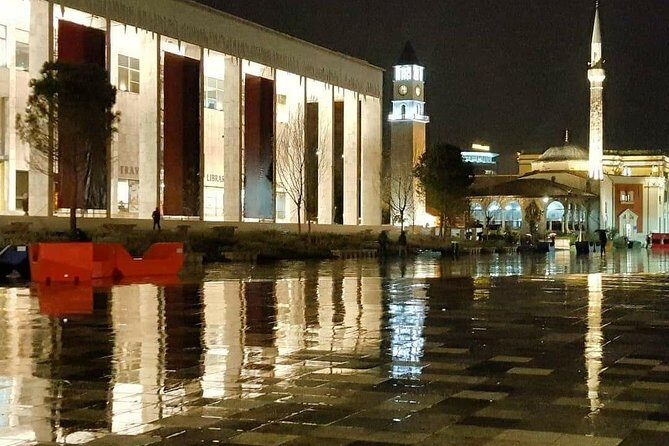
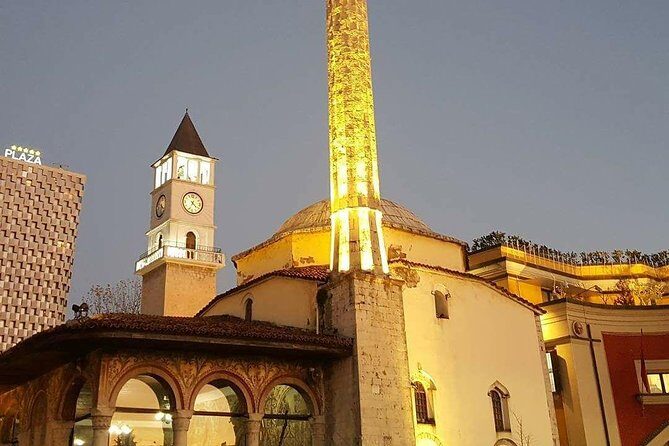
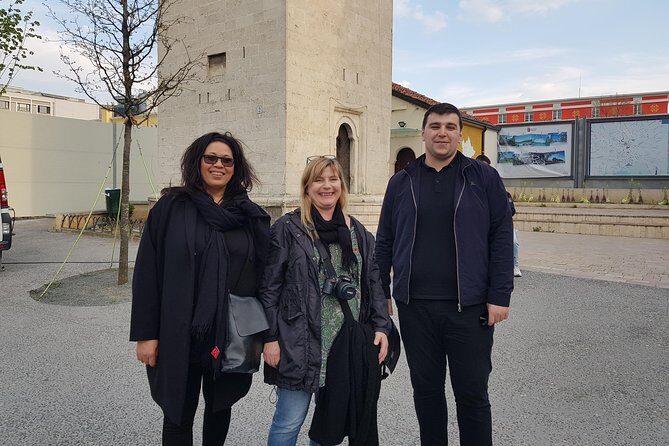
Your tour begins at the Clock Tower, right in the center, with the mosque nearby as your first visual reference point. This opening stop matters. Starting at a landmark like the Clock Tower gives you an orientation you can carry for the rest of the day. Later, when you notice streets and squares branching off from this area, it suddenly makes sense.
The stop is short (about 10 minutes) and admission is free. That makes it ideal for an early “get your bearings” moment rather than a deep dive. If you’re someone who likes to take a few photos immediately, this is a good place to do it before you move on and the route gets busier.
What to watch for: how the clock tower area visually connects with the surrounding religious architecture. In one short glance, you start seeing Tirana as a place where daily life and history sit side by side.
Skanderbeg Square: public space, power, and quick context
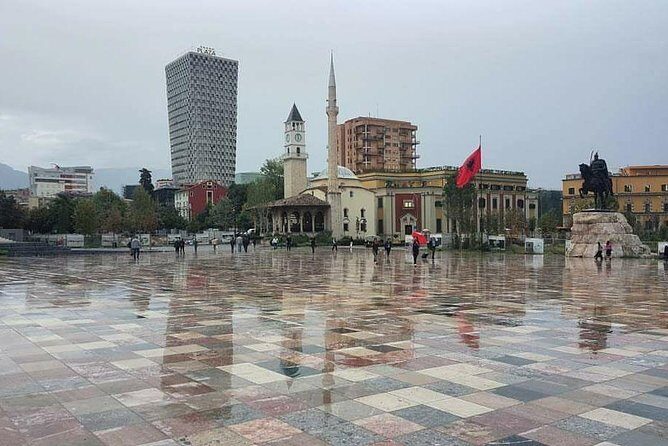
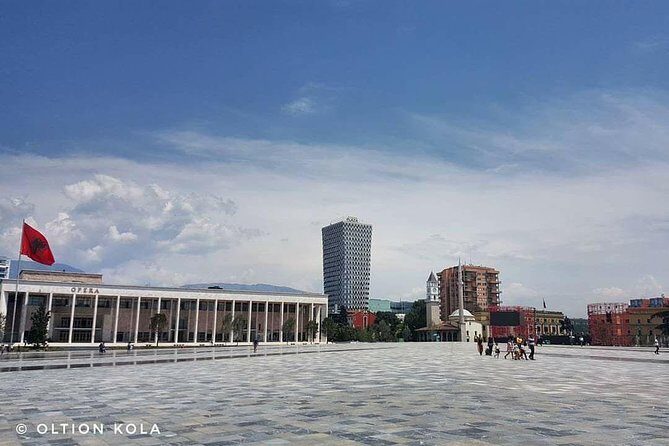
Next you move to Skanderbeg Square, where you can see the buildings around the square. The visit is longer than the first stop—about 20 minutes—which gives you time to look, not just pass through.
Admission is free, so you’re spending your money on time and interpretation. This is one of the best moments on the tour to slow down slightly. When a guide points out patterns in architecture and layout—things like how the square functions and what it represents—you start to understand Tirana’s public life as a whole, not as isolated monuments.
This is also a good stop if you like to ask a question. Squares tend to be where many stories overlap: political history, national identity, and the everyday flow of pedestrians. You’ll get that “big picture” feeling here.
Secret Surveillance and the House of Leaves: when the tour turns serious
Then comes the Museum of Secret Surveillance, tied to the story of the House of Leaves. The stop is only about 10 minutes, and admission is not included, so this is a quick overview rather than a full museum session.
That time constraint can be a drawback if you love reading every label or want to linger in rooms. Still, as an early introduction, it works well. It gives you the important context so that when you later choose to return for a longer visit, you’ll know what you’re looking for.
Practical tip: if you think you want deeper time inside, budget extra money and consider going back on your own after the tour. On this route, the guide is aiming for understanding, not for a long museum experience.
Enver Hoxha Pyramid and the Bell of Peace: ideology on display
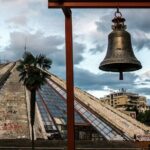
The tour moves to the Enver Hoxha Pyramid and the Bell of Peace nearby. This is another short stop (about 10 minutes) and admission is free.
Even if you don’t know the full background, the visuals are strong. You’re looking at a monument associated with a specific era, and the guide’s job here is to explain how it fits into Tirana’s changing story. The guide’s humor doesn’t erase the weight of the subject; it just makes the explanation easier to hold in your head.
Because the visit is brief, you won’t get a full timeline lesson. But you do get the key associations—enough to notice what’s different about Tirana’s “state” landmarks compared with its everyday civic spaces.
If you care about political architecture, this stop gives you a quick “before and after” feeling: how a city repurposes attention over time.


Tirana Castle: a newly renovated fortress you can read from the outside
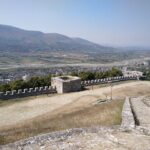
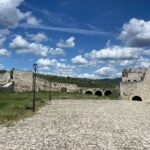
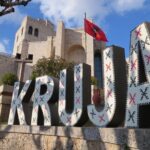
Next is Tirana Castle, described as newly renovated, with about 10 minutes on site and free admission. Even if you never go inside (this stop is more about seeing the space), you get something valuable: a sense of where the older structure sits in relation to the modern city.
For me, this kind of exterior-first stop is useful. You learn the shape of the place and the viewpoint, then you can decide later whether you want to return for more. Renovation also changes how you interpret a historical site; it stops being a distant relic and becomes part of the current city experience.
This is the kind of stop that works well when you want a short, low-stress “breather” between heavier museum moments.
Bunk’Art 2 and The Cloud: state control, interpreted in public
After that you visit Bunk’Art 2, with about 15 minutes here, and admission is not included. You’ll also see The Cloud monument as part of this stop.
This is one of the more interesting choices on the route because it connects a museum setting with outdoor symbolism. Again, the time is limited. You’re not being asked to treat this like an all-afternoon commitment.
But if you want a fast, guided introduction to the idea of how the city preserves and explains the past, Bunk’Art 2 is a strong candidate. The guide’s explanation is the difference between seeing a building and understanding why it matters.
If you’re budgeting tightly, you could choose to skip the museum entry and simply focus on the outside viewpoints and the guide’s talk. If you do enter, plan to spend more time another day if you want to read slowly.
Resurrection of Christ Orthodox Cathedral: the one indoor moment
One of the best practical parts of the route is the Resurrection of Christ Orthodox Cathedral, where you can do an inside visit. This stop lasts about 10 minutes, and admission is free.
Indoor visits can be the make-or-break for value on a short tour. Here, you get a faith site you can see from the outside, plus the chance to step inside—without paying extra admission.
This is also a nice counterbalance after the state-focused sites. Tirana’s identity is not only political. It’s also religious community, ritual space, and architecture meant for prayer and gathering.
If your timing is off—say you arrive cold or tired from the day—this indoor moment tends to reset your energy. Even short visits help you slow down and notice details.
Rinia Park and the Independence Monument: a calmer pause
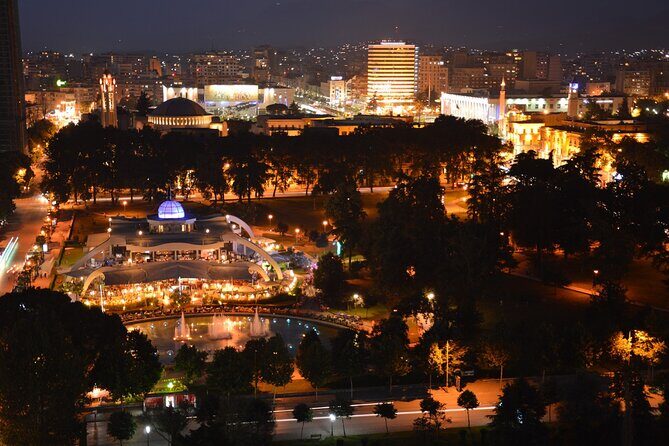
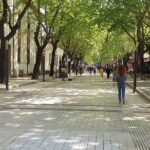
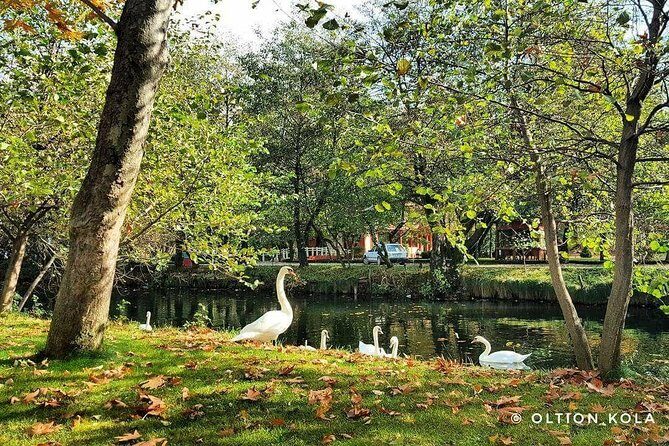
You then head to Rinia Park, with about 20 minutes there, plus the Independence Monument. Admission is free, and this stop functions as your longest “relax and look” segment.
Parks are where you can process what you’ve just learned. When you’ve seen surveillance-linked history and political architecture, it helps to have a place where the guide’s explanations can land while you’re not stuck staring at stone walls and museum doors.
This is also a good photo window. The independence theme pairs nicely with the other national symbols you’ve seen earlier, letting you connect identity with open public space.
If you like walking at a gentle pace, this is the stop where the tour feels most human and less like a checklist.
Mosque of Namazgah: the big Balkans-scale statement
Finally, you visit the Mosque of Namazgah, described as the biggest Mosque in Balkans, with about 15 minutes on site and free admission.
This is a strong closing stop because the scale gives you an instant impression. Even if you’ve seen other mosques, the “biggest in Balkans” framing helps you understand why Tirana makes room for such a major religious landmark.
The guide’s role here is to connect what you see to the city’s religious landscape and public life. Because the stop is free and relatively quick, it’s also a good place to ask: What makes this mosque different? What should I notice first?
Also, consider how you’ll feel once you’re done. By the end, your brain has had a workout—politics, surveillance, monuments, faith sites. This mosque ending gives you a grounded visual to remember.
Price and logistics: $16.10 that mostly pays for guidance
Let’s talk value, because $16.10 per person can sound cheap or too good to be true, depending on what you expect. Here’s what you’re actually buying:
- A guide (included)
- A focused route across central Tirana
- Mobile ticket
- English service
- Most stops have free admission
The two spots where admission is not included are Museum of Secret Surveillance and Bunk’Art 2. If you love museums, you’ll likely pay extra anyway. If you’re mainly there for the guided explanation and city context, you can still get a lot out of the route without spending heavily on entry fees.
A few practical points you should know before you go:
- The meeting point is the Clock Tower, and the tour ends back there. That makes it easy to plan the rest of your day.
- The tour is offered in English, and confirmation happens at booking.
- It’s near public transportation, so it’s simple to connect to other parts of Tirana.
- The maximum group size is 30, which generally helps keep the experience from feeling rushed.
If you’re short on time or just want a clean overview you can build on, this pricing structure works. If you expect a long museum schedule, it’s not that kind of tour.
Who should book this tour (and who should skip it)
This tour fits best if you want:
- A first-time overview of Tirana in a single morning or afternoon
- A route that balances major civic places with religious landmarks
- A guided approach that makes stops feel connected rather than random
It’s also smart for you if you like humor and human storytelling. The guide style—warm, funny, and interactive—seems to be a core part of the experience, and it helps keep the tour from turning into a lecture.
You might want to skip (or add separate time) if you:
- Want deep, unhurried time in museums like Bunk’Art 2 or the Museum of Secret Surveillance
- Prefer fewer stops with longer stays at each place
- Don’t handle short inside visits well, since the cathedral and museum moments are brief
Should you book Tirana Hidden Treasures?
If you’re trying to get your bearings fast and see a meaningful cross-section of Tirana, I’d book it. The mix of free stops and the guide-led context make it good value at $16.10—especially when you’re limited on time.
Book it when you want a guided highlights route you can remember, then build on later with a second pass. If you’re the type who wants to read every exhibit for hours, plan on returning to the museum sites separately.
Either way, starting at the Clock Tower and ending there makes it easy, and the route gives you a clear sense of Tirana’s public symbols, religious architecture, and darker history—without demanding a full day.
FAQ
How long is the Tirana Hidden Treasures Sightseeing Tour?
It lasts about 2 hours 15 minutes.
What does the tour cost?
It costs $16.10 per person.
Is the tour offered in English?
Yes, the tour is offered in English.
What is included in the price?
A guide is included.
Are entrance fees included for the museums?
No. Admission is not included for the Museum of Secret Surveillance and for Bunk’Art 2.
Where does the tour start and where does it end?
The tour starts at the Clock Tower of Tirana and ends back at the same meeting point.
Is there a mobile ticket?
Yes, the tour includes a mobile ticket.
What is the maximum group size?
The tour has a maximum of 30 travelers.
Is the tour near public transportation?
Yes, the meeting area is described as near public transportation.
What happens if the weather is bad or I need to cancel?
The experience requires good weather. If it is canceled due to poor weather, you’ll be offered a different date or a full refund. You can cancel for a full refund up to 24 hours in advance.