REVIEW · TIRANA
Apollonia and Berat UNESCO tour from Tirana
Book on Viator →Operated by Albania Tour Guide · Bookable on Viator
Two UNESCO stops in one smooth day. You get a private guide and hotel pickup/drop-off so the morning runs on rails, not guesswork. I also love that the day is built around the two UNESCO stories that make Albania feel big and layered: Apollonia’s Greek-to-Roman world and Berat’s hilltop castle-and-quarter system.
The main potential drawback is simple: it’s a 10-hour day, and the schedule is full. Add that lunch and dinner aren’t included, and you’ll want to plan your own food so you don’t end up spending the day hunting snacks.
In This Review
- Key highlights worth your attention
- How a private Apollonia-and-Berat day actually runs from Tirana
- Apollonia Archaeological Park: from Corfu and Corinth to Cicero’s praise
- Berat Castle Kala: Byzantine churches, an Ottoman mosque, and real neighborhood life
- Onufri Iconographic Museum: a focused look at religious painting traditions
- Mangalem and Gorica Quarters: thousands of windows on a hillside
- Price and logistics: why $134.97 can feel fair for this lineup
- What to plan for a full 10-hour day (meals and pacing)
- Who this tour suits best (and who might want something else)
- Should you book the Apollonia and Berat UNESCO tour from Tirana?
- FAQ
- What is the start time for the Apollonia and Berat UNESCO tour from Tirana?
- How long is the tour?
- Is hotel pickup and drop-off included?
- Is transportation private and air-conditioned?
- What UNESCO sites are visited?
- Are entrance fees included?
- Is lunch included in the price?
- How much time do you spend at each stop?
- Is the tour really private?
- Can I use a mobile ticket, and how does confirmation work?
- Is there a cancellation option?
Key highlights worth your attention
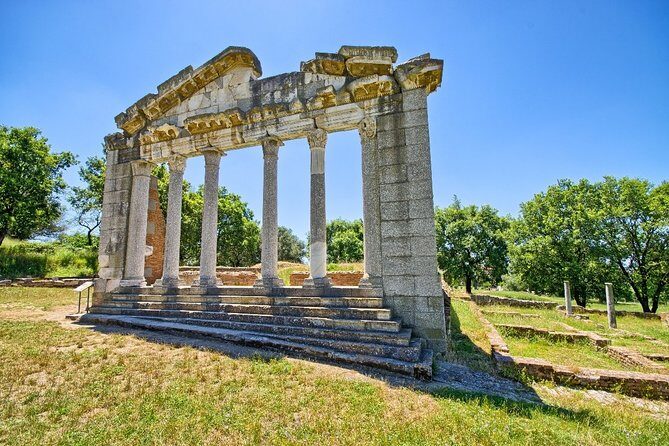
- Apollonia Archaeological Park in context: you’ll connect what you see to the city’s Greek roots, Roman peak, and links to the Via Egnatia trade route
- Berat Castle Kala views + inside access: a 13th-century fortress with Byzantine churches and an Ottoman mosque, plus real neighborhood life inside the walls
- Onufri Iconographic Museum timing: a focused 30 minutes in the largest church in the castle complex, with icons and religious painting traditions
- Mangalem and Gorica quarters: Ottoman-style white houses stacked on the hillside, tied to Berat’s thousand-windows nickname
- Private transportation: an A/C vehicle and a guide for your group, which makes the day feel efficient instead of rushed
How a private Apollonia-and-Berat day actually runs from Tirana
This is a true private day trip from Tirana, built for people who don’t want to self-drive or piece together buses. You start at 8:30 am and you’re picked up from your Tirana hotel, then returned there at the end. Private transport matters here because the day includes multiple sites with different viewpoints and walking levels, and you don’t want to spend energy coordinating connections.
The tour’s pacing is very clear: you’ll spend concentrated time at each major stop rather than wandering at random. Apollonia gets about two hours, Berat Castle about one hour, the Onufri museum about 30 minutes, and the Mangalem/Gorica quarters about two hours, with the rest of the day filled by travel and the guide’s on-the-ground storytelling.
One small bonus is the human factor. Guides like Jack and Manon are known for getting the day explained clearly ahead of time, so you arrive knowing what you’re looking at and why it matters. That makes your time at the ruins and castle feel less like sightseeing and more like understanding.
Other Berat UNESCO and castle tours we've reviewed in Tirana
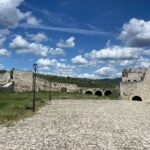
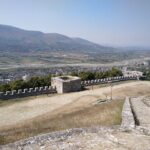

Apollonia Archaeological Park: from Corfu and Corinth to Cicero’s praise
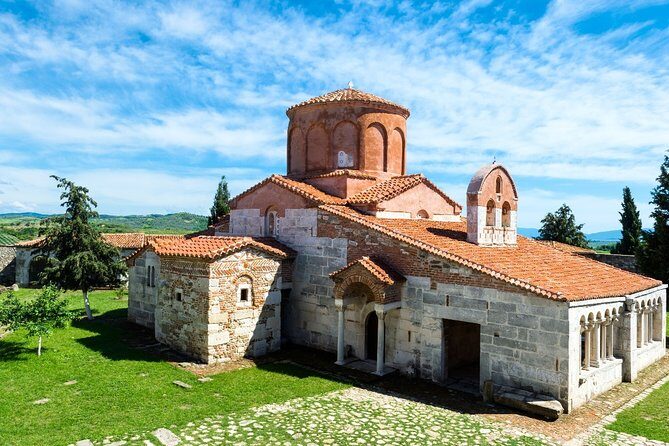
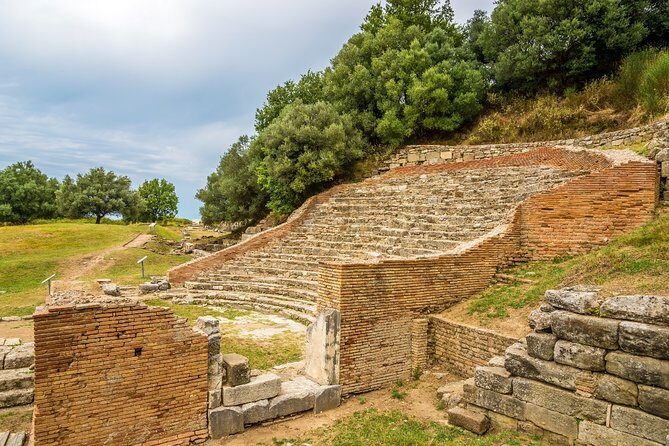
Apollonia Archaeological Park is the first big reason to book this itinerary. This site sits in central Albania, and the ruins are tied to a city that moved through major phases of Mediterranean power.
Here’s the storyline your guide will help you see in the stones. Apollonia was founded around 588 BC by Greek colonists from Corfu and Corinth. Then the Roman period is where the city really swelled in importance. By the 4th century AD, Apollonia was a key economic hub and trade center, and it also had a famous school of philosophy. A well-known Roman public speaker, Cicero, even described Apollonia as a great and important city. On top of that, Apollonia functioned as one of the important gateways to the Via Egnatia, the Roman trade route cutting through the Balkans.
What I like about visiting Apollonia with a guide is that you’re not just looking at ruins; you’re learning how trade, ideas, and politics traveled. Without context, archaeological parks can feel like a collection of rocks. With context, you start seeing the city as a network—Greek origins, Roman prosperity, and a crossroads role that pulled people through.
Practical note: your ticket time at Apollonia is about two hours, and entry is included. That’s usually enough to get oriented, see the main remains, and still keep momentum for Berat.
Berat Castle Kala: Byzantine churches, an Ottoman mosque, and real neighborhood life
Berat’s castle is called Kala, and it’s set high on the hill. Even from the approaches, you get that classic hilltop effect: the town and river below look like they’re framed by the fortress.
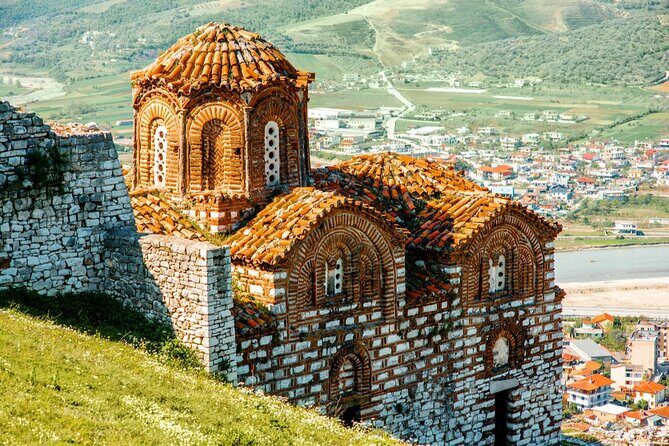
Inside the walls, Kala isn’t just ruins. It has the feel of a place that still functions. The tour includes time to see the village-like neighborhood within the castle grounds, and the big detail here is that some people still live within the castle walls. That living quality changes how the castle lands emotionally. You’re not imagining a past. You’re watching the present sit right next to it.
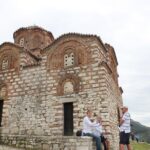
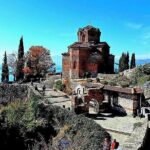
The castle dates to the 13th century, and it holds layers of faith and empire. You can see Byzantine churches inside the complex and also an Ottoman mosque. This mix is one of the reasons Berat is so often discussed in UNESCO conversations: the town’s architecture and religious buildings show long-term change rather than a single uniform era.
You’ll spend about one hour at Berat Castle with admission included. If you enjoy views, plan for the fact that you’ll likely stop more than once just to look out over the town below. It’s the kind of viewpoint that makes you understand why people built and lived up here.
Onufri Iconographic Museum: a focused look at religious painting traditions
Next comes the National Iconographic Museum Onufri, and it’s positioned for a smart reason: it’s located inside the castle walls in the largest church on the premises, the Church of the Dormition of St. Mary.
The museum focuses on religious painting linked to several Albanian monasteries. It’s not trying to be everything in one building; it’s aiming for a coherent theme—icons and religious art traditions—and the guide will connect what you see to the name behind it.
It’s named Onufri after the Albanian fresco and icon-painter. That matters because the museum name isn’t just a label. It signals that you’re meant to think about how a specific artistic tradition shaped religious imagery in the region.
Your time here is about 30 minutes, and the entry fee is included. If you’re the type who likes art but doesn’t want to lose an entire afternoon to museum pacing, this stop fits well. It’s short enough to keep the day moving, but long enough that you’re not just passing through.
Mangalem and Gorica Quarters: thousands of windows on a hillside
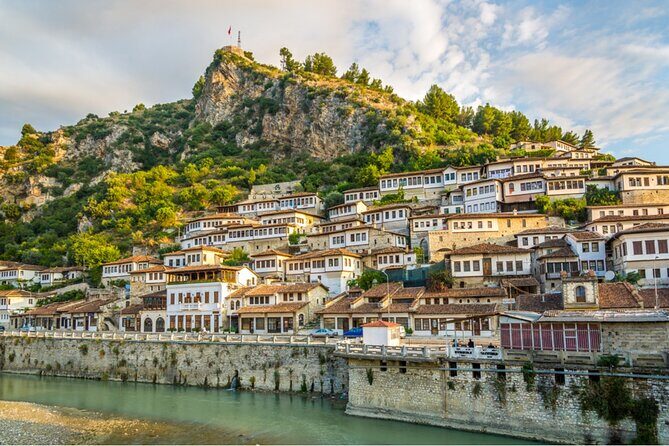
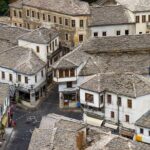
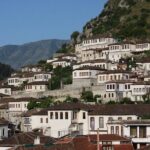
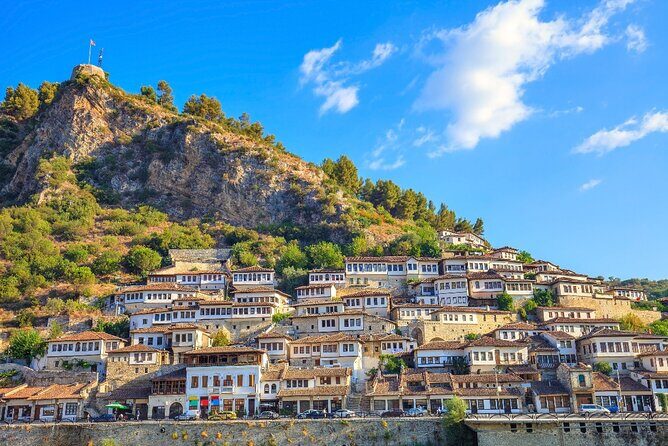
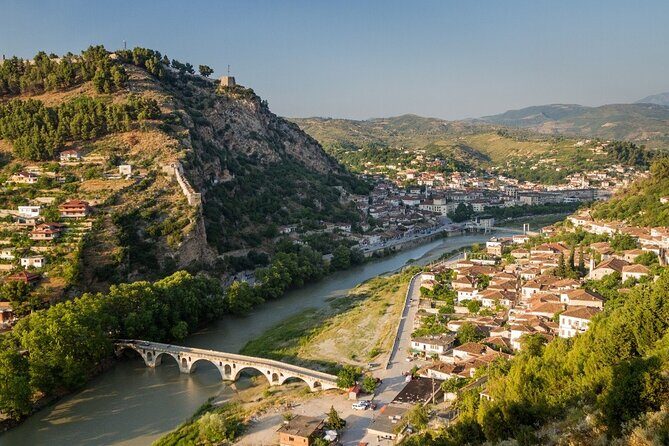
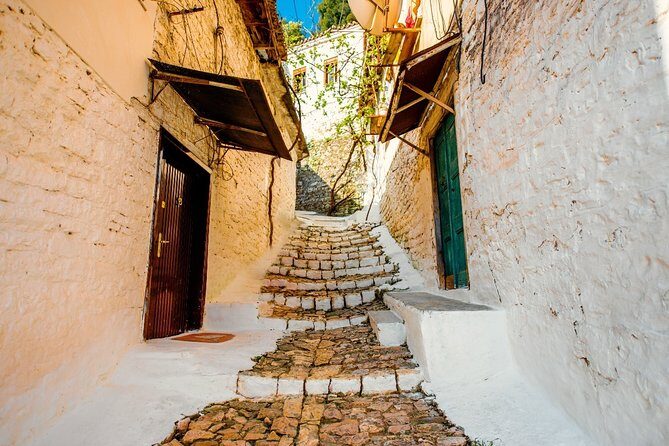
In the afternoon, the tour shifts from fortress walls to neighborhood views, starting with Mangalem and the Gorica quarters. These are traditional areas built on the side of the hill, and the signature look comes from the Ottoman-style houses—hundreds of small, white homes stacked up the slope.
From a lower point, the houses almost appear layered like a vertical arrangement of windows. That’s where Berat gets its famous nickname: the city of a thousand windows. If you like photography, this is the part of the day where you’ll probably want to slow down and really look at patterns—repetition, arches, rooflines, and the way light plays across the hillside.
The tour also includes time for browsing. You’ll have free time to souvenir-shop, which is useful because Berat’s old-town vibe makes it easy to get distracted in the best way.
The description you’ll hear from your guide includes a comparison to an Italian atmosphere. Whether you feel the comparison personally or not, the effect is clear: these quarters feel like a historic strolling zone, not a fenced-off monument park.
You’ll spend about two hours in this area, and admission isn’t required for the quarter walk. The value here is the combination of guided context plus time to wander at your own pace.



Price and logistics: why $134.97 can feel fair for this lineup
At $134.97 per person, this tour is priced like a full-service day, and you should judge it against what’s included.
Here’s what you don’t have to add later:
- Private transportation with A/C
- A private tour guide for Apollonia and Berat city stops
- Hotel pickup and drop-off in Tirana
- Entry fees for Apollonia Archaeological Park, Berat Castle, and the Onufri Iconographic Museum
That’s a meaningful bundle for a single day. When you combine guided time at two major UNESCO-related stops with admissions covered, the price starts to make sense—especially compared to doing it piecemeal. You’re paying for time-saving convenience and the guide’s ability to explain why each site matters.
There’s also a signal in the booking pattern: this kind of day trip gets scheduled about 100 days in advance on average. That usually means demand is steady, not that you’ll never find availability. Still, if you’re traveling in a busy season or you want a specific day, it’s smart to lock it in early.
What to plan for a full 10-hour day (meals and pacing)
The itinerary is designed as a 10-hour loop, give or take. Start time is 8:30 am, and your stops are time-boxed, so your day will move from ruins to hilltop fortress to museum to old-town quarters without long gaps.
Two important planning points:
1) Lunch and dinner are not included. You’re on your own for meals, so you’ll want to think about where you’ll eat during the free windows you might have. If you’re someone who hates making food decisions while hungry, plan that earlier.
2) Expect walking and viewpoint time. Apollonia and Berat both involve getting around outdoors and up to viewpoints. Nothing here is described as hardcore, but it is still a full day of movement in historic terrain.
On the plus side, because it’s private and guided, you’re not wasting energy on logistics. If you want the day to feel efficient rather than chaotic, this structure usually does the job.
Who this tour suits best (and who might want something else)
This day trip fits best if you want big UNESCO-style moments without self-driving. If you enjoy ruins but also like human details—who lived where, how neighborhoods still work, how art traditions connect to places—this itinerary hits those notes.
I’d also recommend it if you’re short on time in Albania. Berat and Apollonia each take effort on their own. Doing both in one day is ideal when your calendar is tight.
If you’re the kind of traveler who prefers long, slow museum wandering and extra time for side trips, you might find the schedule feels packed. One of the feedback points from previous visitors is basically that the day taught them a lot, but they still wanted more time somewhere else—usually because two UNESCO stops in one day leave you with that very normal wish: I want one more hour.
Should you book the Apollonia and Berat UNESCO tour from Tirana?
I’d book this tour if you want a guided, private day that covers Apollonia’s Greek and Roman layers plus Berat’s castle, Onufri museum, and old-town quarters. The included admissions matter, and the guide helps make the ruins and architecture easier to read fast.
Skip it or look for a different format if you strongly prefer to set your own pace, especially around meals and extra wandering. Since lunch and dinner aren’t included, you’ll need to handle food planning yourself. And with only about two hours in Apollonia and two hours in Mangalem, you’ll have to choose what to linger on.
If you want the shortest path to understanding why these two places are UNESCO-level important, this tour is a solid pick.
FAQ
What is the start time for the Apollonia and Berat UNESCO tour from Tirana?
The tour starts at 8:30 am.
How long is the tour?
The duration is about 10 hours.
Is hotel pickup and drop-off included?
Yes. Hotel pick-up and drop-off in Tirana are included.
Is transportation private and air-conditioned?
Yes. You get private transportation with an A/C vehicle.
What UNESCO sites are visited?
You visit Apollonia Archaeological Park and Berat Castle and the Berat old town areas, including the National Iconographic Museum Onufri.
Are entrance fees included?
Yes. Entrance fees are included for Apollonia Archaeological Park, Berat Castle, and the Museum of Iconography Onufri.
Is lunch included in the price?
No. Lunch and dinner are not included.
How much time do you spend at each stop?
Apollonia is about 2 hours, Berat Castle about 1 hour, the Onufri museum about 30 minutes, and Mangalem and Gorica about 2 hours.
Is the tour really private?
Yes. It’s a private tour/activity, meaning only your group participates.
Can I use a mobile ticket, and how does confirmation work?
You’ll receive a mobile ticket, and confirmation is received at the time of booking.
Is there a cancellation option?
Yes. Free cancellation is available if you cancel up to 24 hours in advance of the start time for a full refund.