REVIEW · TIRANA
UNESCO Heritage Sites in Albania on 3 day tour
Book on Viator →Operated by Local Friends Albania · Bookable on Viator
Albania’s UNESCO route feels like time travel. In three days you move from Butrint’s ancient ruins to the Ottoman hill-town vibe of Gjirokastër and Berat, with a local guide that helps the places click together instead of feeling like a checklist.
I also like how the plan gives you real variety in short bursts: sea time in Sarandë, castle views in the Gjirokastër fortress, then the calmer archaeological feel of Apollonia. The main drawback to plan around is that day one includes an almost four-hour drive from Tirana (with small breaks), and lunches and dinners aren’t included.
Key highlights that matter in real life
- Butrint National Park with admission included means you can spend your time walking, not hunting ticket desks.
- Gjirokastër’s fortress and old-town layout: you’ll go from bazaar streets up to the castle area for the big views.
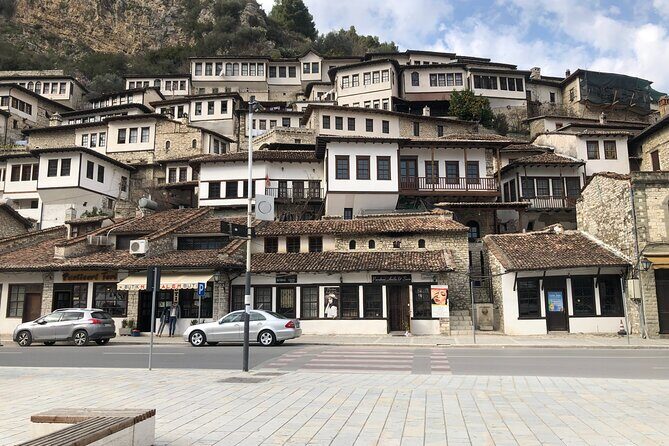
- Berat’s “City of a Thousand Windows” with the castle quarter above town and a chance to try gliko and Turkish coffee.
- Apollonia’s archaeological park is timed for a focused visit, with no added ticket cost.
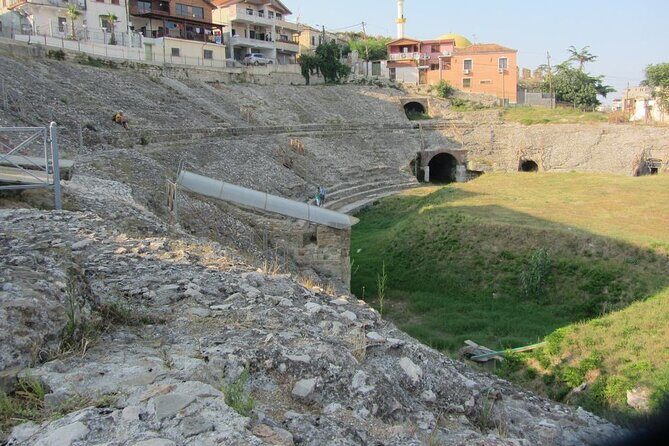
- Durres amphitheatre in one hour gives you the coastal finish without rushing the whole last day.
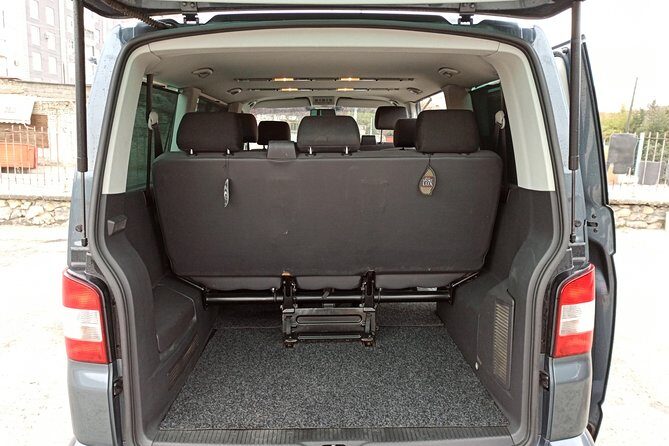
- Air-conditioned vehicle + pickup keeps the long stretches of driving tolerable.
In This Review
- A 3-Day Route That Juggles Ruins, Fortresses, and Sea Breaks
- Price and What You Actually Get for $520.40
- Day 1: Butrint National Park, Sarandë Promenade Time, and Gjirokastër’s Castle
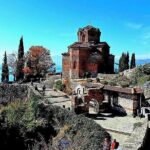
- Butrint National Park: one hour that takes you back in antiquity
- Sarandë: a seaside reset and a lunch window
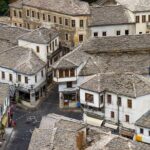
- Gjirokastër old town: Ottoman-style street life on a mountain
- Gjirokastër Bazaar: 15 minutes to get the rhythm
- Gjirokastër Castle: the Crown of the City views
- Day 2: Apollonia’s Archaeological Park and Berat’s “City of a Thousand Windows”
- Apollonia Archaeological Park: preserved grounds in a calm setting
- Berat: the town quarter built around the castle
- Berat Castle: walls from the 13th century and a coffee pause
- Day 3: Durres Promenade Walk and the Amphitheatre for Gladiator Fans
- Durres promenade: sea air and an easy walk
- Durres Amphitheatre: gladiator battles, standing in the right place
- The Best-Praised Part: Local Guides That Turn Stops Into Stories
- Practical Tips: Make Day 1 Easier and Day 2 More Enjoyable
- Who This Tour Suits Best (and Who Might Want Something Different)
- Should You Book This UNESCO Heritage Sites Tour in Albania?
- FAQ
- What time does the tour start?
- Where does the tour start and end?
- Is pickup included?
- Is this a private tour?
- Is there a mobile ticket?
- What entrances are included in the price?
- Are lunches and dinners included?
- How long is the visit to Butrint?
- Is Durres included on the final day?
- Is free cancellation available?
A 3-Day Route That Juggles Ruins, Fortresses, and Sea Breaks
This tour is built for people who want Albania’s UNESCO hits without turning every day into a marathon. You start at 9:00 am in Tirana and move in a logical loop: up and around the south (Butrint, Sarandë, Gjirokastër), then inland (Apollonia, Berat), then finish on the coast (Durres) before returning to Tirana.
The best part is the mix of settings. You’re not only looking at stone monuments; you’re shifting between hilltop towns, archaeological sites, and the seaside promenade. That matters because Albania’s UNESCO story isn’t just about a single era. It’s also about how different communities used the land—coasts for trade and gathering, hills for defense, and ancient sites that still feel quiet when you step inside.
Price and What You Actually Get for $520.40
The price is $520.40 per person for about three days, and for me the value comes from what’s included versus what you’ll still pay on your own.
Included:
- Air-conditioned vehicle
- All fees and taxes
- Entrance fees for Butrint and Apollonia
Not included:
- Lunches and dinners
So you’re mostly paying for transport, guiding, and the required site access costs. That’s a good deal if you’d rather not manage separate tickets and schedules across five locations. It’s also a fair setup for a private group—your group only, not a mixed crowd—so the pace can stay human.
One practical note: because meals are not included, you’ll want to plan for lunches during stop times and keep some flexibility. The tour does stop in Sarandë for about an hour, which is a natural moment to grab food by the sea.
Other historical tours in Tirana



Day 1: Butrint National Park, Sarandë Promenade Time, and Gjirokastër’s Castle
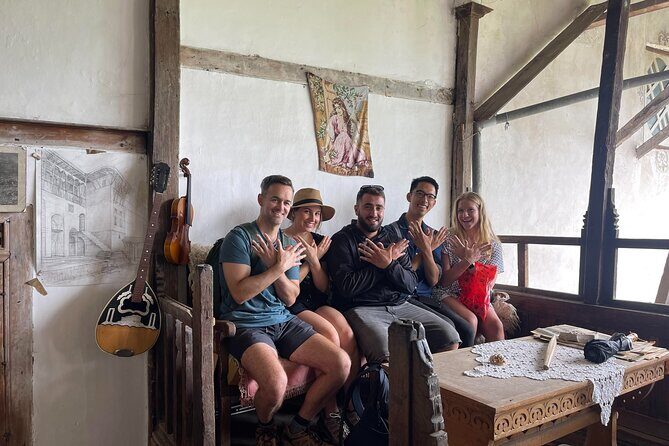
Day one is the “big drive into big history” day. After pickup and a departure from Tirana around 9:00 am, you’ll spend nearly four hours on the road (with small breaks). The route passes some of Albania’s most beautiful beaches, and you’ll also get that first glimpse of the coastal area before reaching Butrint National Park.
Butrint National Park: one hour that takes you back in antiquity
At Butrint, you’ll get about one hour inside the archaeological park area. Admission is included, so you can focus on walking the grounds and taking in the way ancient ruins sit in a natural setting. If you like sites where the atmosphere does half the work—quiet paths, old stones, and a sense of stepping into another time—this stop is a strong start.
What to watch: one hour sounds short, but for a first stop in a packed day, it’s actually a good length. You’ll get the main experience without the “we’re still here?” fatigue that can happen when the schedule drags.
Sarandë: a seaside reset and a lunch window
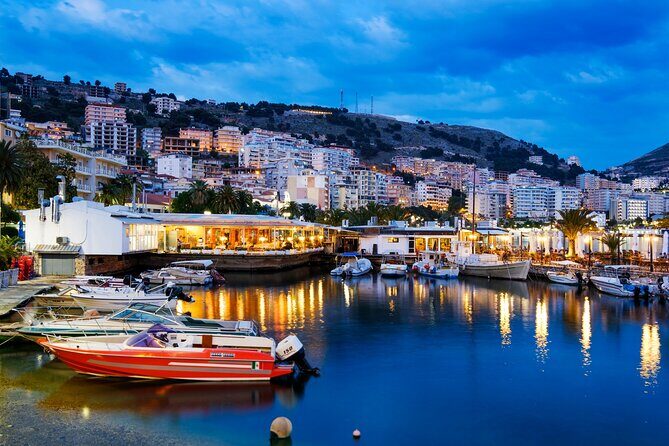
On the return leg, you stop in Sarandë for about one hour. This is your promenade and lunch break. It’s simple, but I like it because it prevents day one from turning into pure stone-and-walls all day long.
This is also a smart moment to slow down. Even if you don’t linger, you’ll benefit from a change of scenery before you head to the mountain town.
Gjirokastër old town: Ottoman-style street life on a mountain
After Sarandë lunch time, you head to Gjirokastër, another UNESCO World Heritage site. You’ll have around two hours here, and the setting is part of the show: the town sits on the side of the mountain, on top of a hill overlooking the valley.
Gjirokastër is described as a museum city, and that fits the feeling of walking its preserved old streets. If you like places where the town layout tells a story—house after house, street by street—you’ll enjoy spending time here without constantly jumping between far-flung stops.
A few more Tirana tours and experiences worth a look



Gjirokastër Bazaar: 15 minutes to get the rhythm
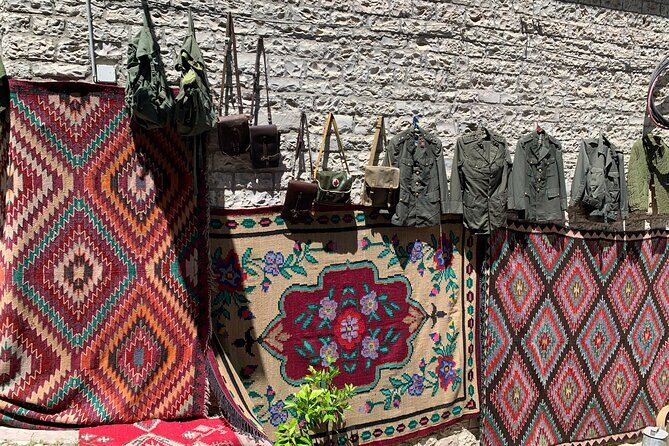
There’s a short stop at the Gjirokastër Bazaar (about 15 minutes). You’ll pass the main square area, including the square named after the 19th-century Albanian patriot Cerciz Topulli. Then the old cobblestone streets lead toward the higher parts of town, and the short bazaar time works like a warm-up before the fortress.
Gjirokastër Castle: the Crown of the City views
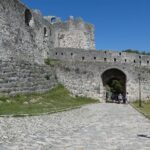
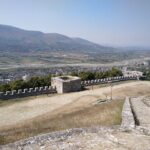
At Gjirokastër Castle, you’ll get around 30 minutes, with the ticket cost included. The fortress sits on natural defenses and ties into the legend of Argjiro, the young princess who sacrificed herself—so the castle isn’t just a viewpoint, it’s also storytelling in stone.
It’s also practical: once you’re up there, you get those sweeping city views because the fortress is above everything else. It’s the kind of stop where even if you don’t love museums, you’ll still come away satisfied.
Day 2: Apollonia’s Archaeological Park and Berat’s “City of a Thousand Windows”
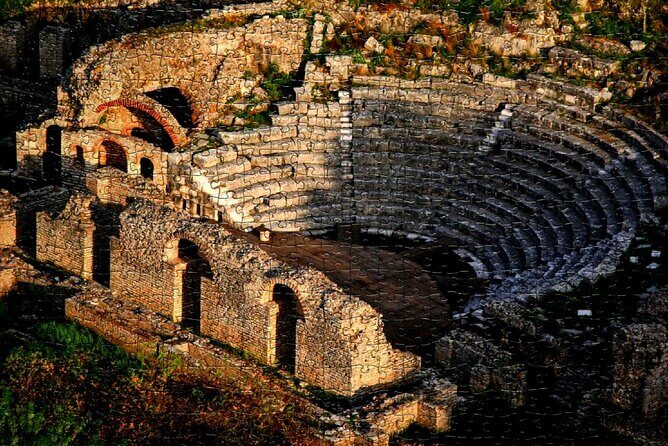
Day two shifts from hilltop town drama to a more reflective mix of ancient ruins and an old citadel above a living city.
Apollonia Archaeological Park: preserved grounds in a calm setting
You’ll visit Apollonia for about one hour, and the admission is free / included as part of the included entrance fees. The archaeological park is described as exceptionally intact, and that’s exactly what you want on a day like this: a site where you can actually walk around and understand the scale without feeling like you’re looking at only a few scattered remains.
The pacing here is also part of the value. The information frames the atmosphere as relaxed and meditative. I’d take that seriously: wear comfortable shoes and use the hour to slow down.
Berat: the town quarter built around the castle
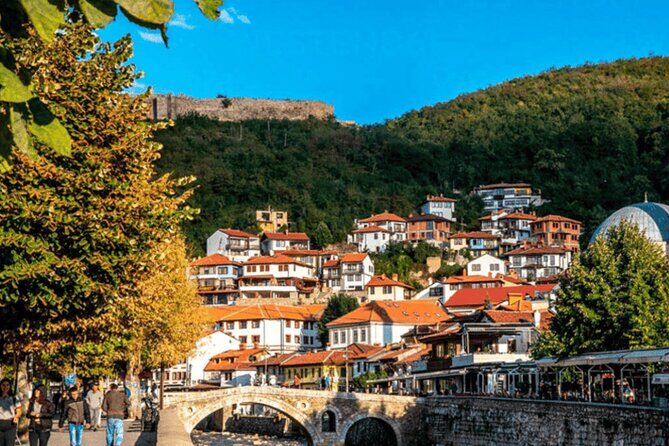
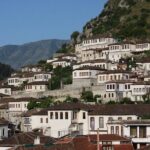
Then you head to Berat, known as the City of a Thousand Windows. It’s been on the UNESCO list since 2008, and it still functions as a real city, not just a preserved stage set.
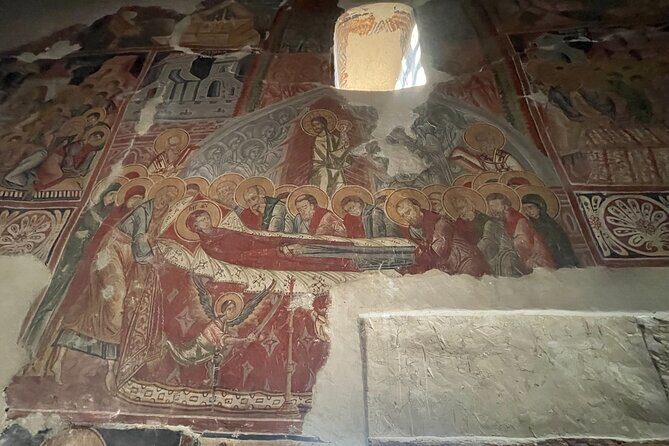
You’ll spend around two hours in Berat, and the guide will focus on the castle (Kalaja) as the oldest district. The city also has a strong religious mix in the castle quarter, including an Orthodox Christian presence and churches that date back as far as the 14th century (as described). That’s a big reason Berat feels different from a typical “viewpoint town.” It has layered places of worship packed into a small vertical footprint.
Berat Castle: walls from the 13th century and a coffee pause
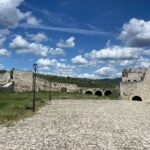
At Berat Castle, you’ll have about one hour. The walls date back to the 13th century (per the provided details), and the castle quarter includes Byzantine churches and Ottoman mosques nearby. That blend is worth seeing because it’s not one style that dominates everything.
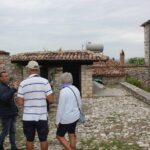
You also get a simple food and drink moment: the chance to try gliko and Turkish coffee at a local guest house. I like stops like this because they’re not just about photographs. They’re about tasting a small slice of daily life in a place you’re already studying with your feet.
Day 3: Durres Promenade Walk and the Amphitheatre for Gladiator Fans
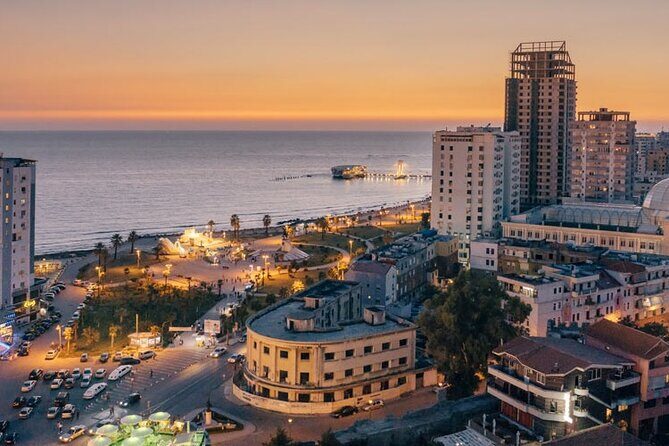
The last day keeps things lighter. You travel to Durres, a coastal city, and you’ll have about one hour to enjoy the area.
Durres promenade: sea air and an easy walk
You’ll stroll along the main promenade and enjoy the calm view of the sea. That’s not a throwaway detail. After two days of hills and ruins, a gentle walk helps your legs recover and lets your brain reset.
Durres Amphitheatre: gladiator battles, standing in the right place
Then you visit the historic amphitheatre, described as home to battles of gladiators. For fans of ancient sports and spectacle, this is a satisfying final stop because it adds motion and conflict to the story that started with ruins and fortress legends.
You’ll finish and head back to Tirana, where the tour ends.
The Best-Praised Part: Local Guides That Turn Stops Into Stories
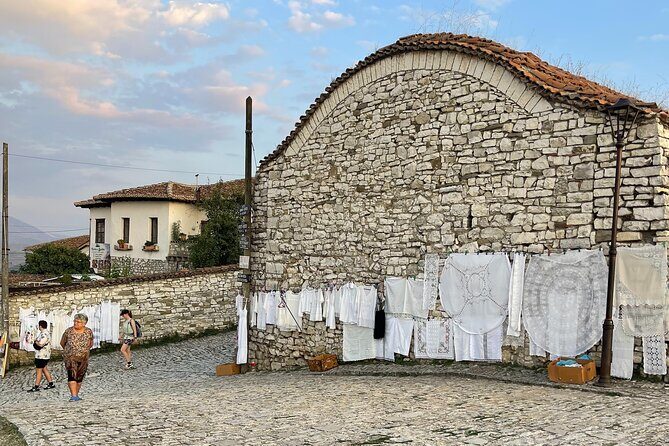
What repeatedly stands out in the guide feedback is how the tour gets explained in a friendly way, not a dry lecture.
If you get Zeni, there’s praise for being genuinely fun while also teaching a lot about Albania’s history and hospitality. If you get Skerdi, you’ll likely notice a more professional, history-and-culture-focused approach, with an emphasis on showing how Albania’s past connects to what you see today.
This matters because Albania’s UNESCO sites can feel “big” on a map. A good guide helps you notice the small things you’d otherwise miss—like why a bazaar square matters, why a fortress sits where it does, or how the castle quarter defines the city’s feel.
Practical Tips: Make Day 1 Easier and Day 2 More Enjoyable
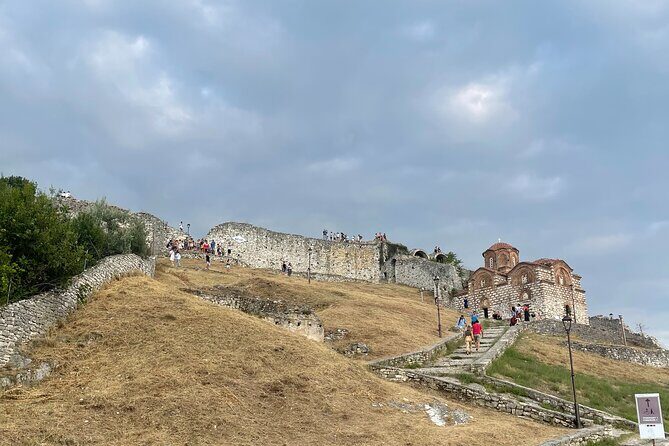
A lot of people underestimate how exhausting long transfers can be, even when you’re in an air-conditioned vehicle.
Here’s what I’d do to make this tour feel smooth:
- Plan for long travel time on day one. You’re looking at almost four hours from Tirana to Butrint with small breaks, so bring water and something to snack on even if lunch is later in Sarandë.
- Treat meal times as part of the schedule. Since lunches and dinners aren’t included, use Sarandë’s hour and your time in town areas to eat without rushing.
- Wear shoes that handle uneven stone. Fortresses and old streets are part of the deal at Gjirokastër and Berat Castle, and you’ll want grip.
- Keep expectations realistic about time at each site. You’ll see a lot, but each stop is relatively focused—great for first-time UNESCO visitors, less ideal if you want hours and hours at one place.
Who This Tour Suits Best (and Who Might Want Something Different)
This tour fits best if you:
- want a 3-day UNESCO-focused circuit with transport handled
- like a mix of ruins, Ottoman-era towns, castles, and one coastal finale
- prefer private/group-only touring rather than joining a big mix of strangers
You might want a different style of trip if you:
- hate long drives (day one includes that almost-four-hour Tirana-to-Butrint stretch)
- need all meals included (this one doesn’t provide lunches/dinners)
Should You Book This UNESCO Heritage Sites Tour in Albania?
I’d book it if you want high value through structure: pickup in Tirana, an air-conditioned vehicle, included entrance costs at Butrint and Apollonia, and a schedule that hits multiple UNESCO sites without pretending you can do everything at a slow, museum-stroll pace.
It’s also a solid choice for first-time Albania visitors. The route introduces you to coastal life in Sarandë and Durres, then moves inland to fortified towns and archaeological grounds. And if your guide is one of the praised locals like Zeni or Skerdi, you’ll likely leave feeling like you understand what you saw—plus how to come back later and explore on your own.
If you’re flexible on meals and okay with a long day of driving, this is a strong way to experience Albania’s UNESCO map in three days.
FAQ
What time does the tour start?
The tour start time is 9:00 am from Tirana.
Where does the tour start and end?
It starts in Tirana and ends in Tirana after the Durres stop.
Is pickup included?
Yes, pickup is offered.
Is this a private tour?
Yes. It’s described as a private tour/activity, so only your group participates.
Is there a mobile ticket?
Yes, the tour includes a mobile ticket.
What entrances are included in the price?
Entrance fees are included for Butrint and Apollonia.
Are lunches and dinners included?
No. Lunches and dinners are not included.
How long is the visit to Butrint?
The Butrint National Park visit is about 1 hour, and admission is included.
Is Durres included on the final day?
Yes. Durres is included with about 1 hour for the promenade and the amphitheatre.
Is free cancellation available?
Yes. You can cancel for a full refund up to 24 hours in advance of the experience’s start time.