REVIEW · TIRANA
Small Group Tour of Montenegro, Albania, Kosovo & N. Macedonia
Book on Viator →Operated by Choose Balkans · Bookable on Viator
A week like this feels like a shortcut through the Balkans. You get small-group attention with a tight route across Montenegro, Albania, Kosovo, and North Macedonia, hitting UNESCO towns and standout churches. I like that it balances big sights with real local flavor, from Adriatic coast viewpoints to Prizren’s mosque details.
Two things I really liked: the entry tickets are included for the sites you visit, and the overnight stays are handled in 3-star hotels with breakfast. That removes a lot of daily stress when you’re crossing borders and moving fast.
One thing to consider: this is a “long day” style tour. You start early (8:00 am) and spend a lot of time in transit, so if you want slow mornings and lots of downtime, this route may feel intense.
In This Review
- Key highlights at a glance
- A 5-day Tirana-to-Berat sprint: what the small-group pace really means
- Day 1 in Montenegro: Sveti Stefan coast views and the Kotor old-town maze
- Day 2 in Albania: Shkodra’s layers and Rozafa Castle over lake-and-river junctions
- Day 3 in Kosovo: Mrizi i Zanave farm tour, then Prizren’s mosque and fortress
- Day 4 from Pristina to Skopje: independence monuments and three-bridge city vibes
- Day 5 in North Macedonia and Albania: Ohrid UNESCO and Berat’s 1001 windows
- Price and logistics: is $1,812.35 good value for this route?
- What to pack (and how to handle cobblestones and long days)
- Who this tour suits best
- FAQ
- How much does the Small Group Tour of Montenegro, Albania, Kosovo & N. Macedonia cost?
- How long is the tour?
- How big is the group?
- What’s included in the price?
- Are lunch and dinner included?
- Is hotel pickup in Tirana included?
- Is a single room available?
- Should you book this small group Balkans tour?
Key highlights at a glance
- Max 10 travelers keeps the group manageable and the pace more human
- UNESCO hits at Kotor and Ohrid, plus UNESCO Berat
- Included site tickets for the main stops you’ll actually enter
- Hotel pickup and drop-off in Tirana (on request) removes first-day confusion
- Prizren fortress and Sinan Pasha Mosque add real atmosphere beyond photo stops
- BB and 4 breakfasts make the price feel more “all-in” than many day tours
A 5-day Tirana-to-Berat sprint: what the small-group pace really means
This is built as a compact, structured route. You’re with a professional tour leader and private transportation, and the group maxes at 10 people, which makes a difference when you’re walking old streets and trying to hear explanations.
The day usually starts around 8:00 am, and you’ll be moving between countries, coast views, and historic centers. That’s great if you love seeing a lot in a short time, but it also means you should plan your energy like you’re traveling for a full schedule, not like you’re on a casual vacation.
You’ll travel in English, and the operator provides a mobile ticket. Pickup in Tirana is available on request (at least 12 hours before), and the tour ends back at the same meeting point.
Other North Macedonia day trips from Tirana
Day 1 in Montenegro: Sveti Stefan coast views and the Kotor old-town maze
Your first day pulls you from Albania into Montenegro with a classic sea-coast opener. You’ll start with a quick Tirana pickup, then head toward the Budva area with a stop near Sveti Stefan.
At Sveti Stefan, you can photograph the famous shoreline view, but the island itself isn’t something you can visit. Even so, the sight from the coast is dramatic, and it’s a good “arrive and orient yourself” moment before you go deeper into old towns.
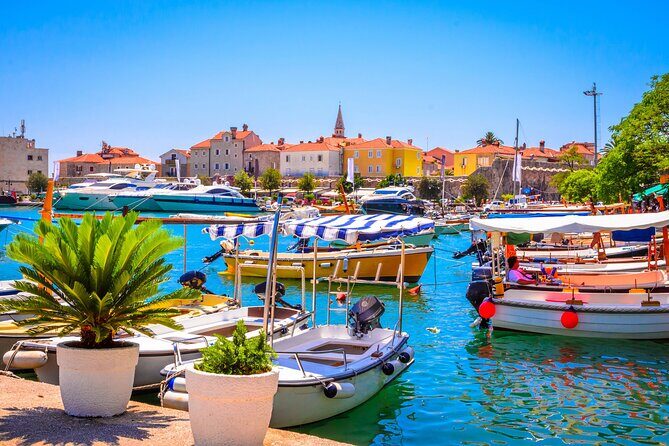
Next comes Budva, a city split into New Budva and Old Budva. In Old Budva, you’ll focus on the historic center, including stops connected to churches such as St. Ivan and a small church of St. Mary. If you like old stone streets and compact places where you can walk without a lot of planning, this part works well.
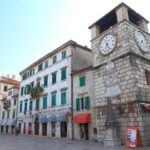
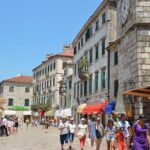
Then you roll into Kotor, a UNESCO World Heritage town. Kotor’s old city feels like a maze of narrow cobblestone streets, and the layout is tied to defense—its winding pattern was meant to confuse intruders. You’ll also notice plaques on buildings with dates and original uses, which gives you a sense of the town as a living archive, not just a scenic set.
Day 1 ends with Church of St. Luke, which is included. This one matters to locals as a symbol of unity, so it’s not just architecture—it’s tied to community identity.
Practical thought for your day: Day 1 is likely the toughest in terms of “drive + walk” time. Wear shoes that handle old stone and don’t count on long breaks between stops.
Day 2 in Albania: Shkodra’s layers and Rozafa Castle over lake-and-river junctions
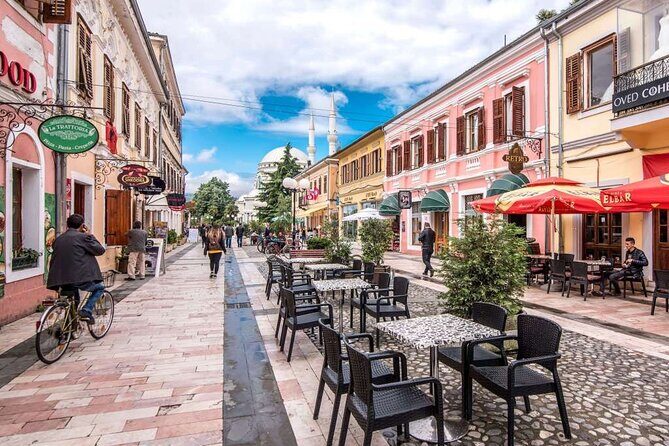
You start Day 2 in Shkodra (Shkodër), in northwest Albania, with the lake reference baked right into the story—Shkodra gives its name to the biggest lake in the Balkans. The city’s history reaches back over a thousand years of habitation, and you’ll hear specifics tied to the castle area, including how the oldest wall of the castle dates back to the 1st millennium B.C.
One of the nice touches here is that you’re not only told “it’s old.” You also get names and timeframes, like the Roman historian Livy referencing Shkodra in connection with Illyrian king Gent and conflicts with the Romans.
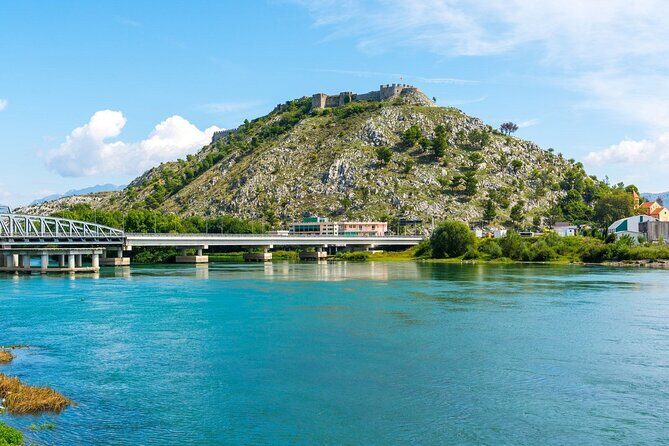
After time in the city, you go to Rozafa Castle, with admission included. The main payoff is the view: you can look over the lake and see the three rivers where they merge and flow toward the Adriatic. It’s one of those places where the geography becomes part of the explanation.
Back in Shkodra, there’s another human detail: Venetian influence in architecture. If you happen to be there in February, there’s a carnival connection too, including the fact that the Venetian masks are handmade and produced in Shkodra. Even when you’re not traveling during that season, it’s a helpful way to understand how regional culture mixes.
Day 3 in Kosovo: Mrizi i Zanave farm tour, then Prizren’s mosque and fortress
Day 3 has a slower feel built in, starting at Mrizi i Zanave – Restorant Agroturizëm. This is an agro-tourism farm tied to “slow food,” and the tour experience is framed around the farm’s role in the local economy. You’ll hear how the operation created jobs for more than 400 people in the surrounding area.
You also get a sense of what “regional bio fresh local products” means in practice—how the farm collects, elaborates, and preserves its local goods. There’s a smart story angle here too: the family business adapted old communist buildings for storage. That’s the kind of detail that turns a countryside stop into something you remember.
Lunch isn’t listed as included, but the schedule gives you free time to enjoy a traditional lunch or buy fresh produce. Since lunches and dinners aren’t covered in the tour price, I’d treat this stop as one place where you can decide to spend a bit for a specific local meal.
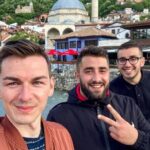
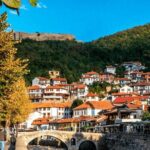
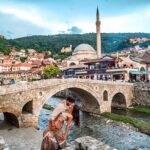
Then you move to Prizren, often described as Kosovo’s cultural capital. You’ll get a quick, guided orientation to how the city developed at a crossroads between Byzantine and Ottoman empires, with Illyrian roots in the area. The river running through the old town, along with the bridges crossing it, gives you a strong visual map of how the city works.
Prizren is also tied to film culture in August through Dokufest (a short film festival). Even if you’re not visiting in August, it helps explain why Prizren attracts repeat attention—it’s not just a stop on a route.
You’ll also hear about Prizren’s craft tradition in filigree, especially techniques used for precious metals. The best way to understand this city is walking—following the streets that thread past medieval houses and watching how details like metalwork fit right into everyday life.
Your included stops then bring the architecture into focus:
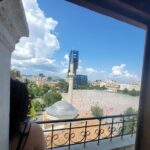
- Sinan Pasha Mosque (included): known for arabesque color and pattern
- Prizren Fortress (included): hilltop views over the town, with free afternoon time afterward
If your guide happens to be Ana, you might get extra storytelling energy around the Prizren dinner moment (shared family-life and tradition stories are specifically associated with her in past experiences). Even without that exact scenario, expect the guide’s voice to shape how the cultural stops land.
Day 4 from Pristina to Skopje: independence monuments and three-bridge city vibes
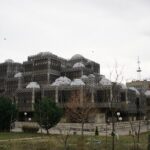
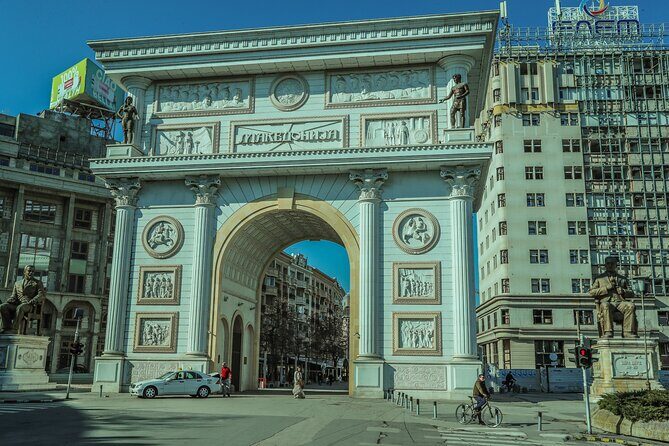
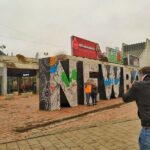
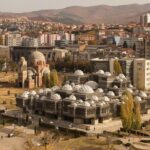
Day 4 starts in Pristina, the capital of Kosovo. You’ll see the Newborn monument, a symbol tied to Kosovo’s independence, then walk toward the main boulevard area. A key stroll point is Sheshi Nena Tereza, where you can slow down, get coffee, and watch city life.
You’ll also pass Skanderberg square, with a statue of Skanderberg, which helps anchor the Albanian national hero presence across the region. This isn’t just sightseeing; it gives context for why these statues and squares feel so political and personal at the same time.
From there, you head to Skopje, the capital of North Macedonia. Skopje is presented as a blend of European, Ottoman, and even Asian influences, and that shows up in the mix of bridges and street landmarks you’ll see on the walk.
Highlights include:
- Stone Bridge, linking new and old parts
- Alexander the Great Statue, hard to miss in the center
- Art Bridge, lined with street lanterns and statues tied to Macedonian artists and musicians
- Old Bazaar, described as the biggest one in the Balkans
You’ll also have the mountain cross in view from afar, used as a city symbol. Even on a short stop, Skopje manages to feel like a city that wants to announce its identity.
Other Kosovo day trips from Tirana
Day 5 in North Macedonia and Albania: Ohrid UNESCO and Berat’s 1001 windows
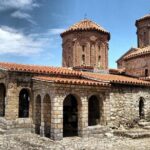
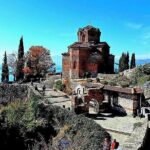
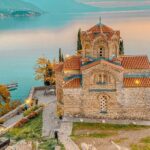
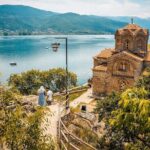
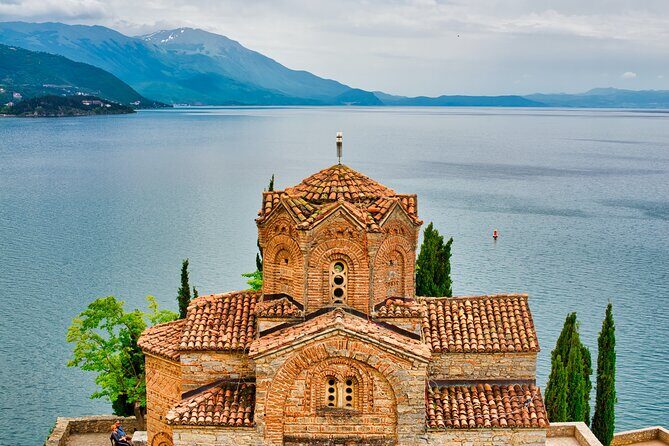
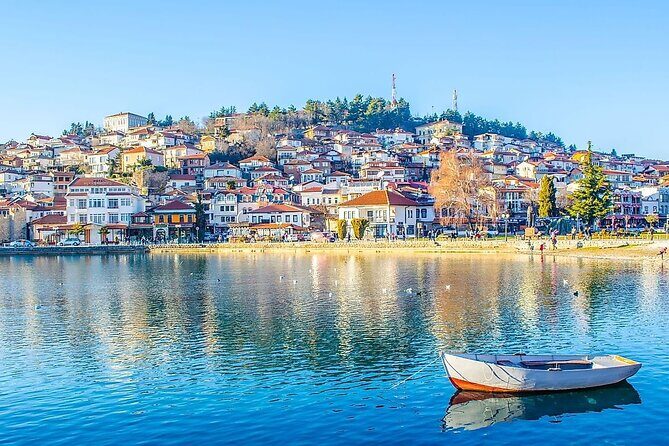
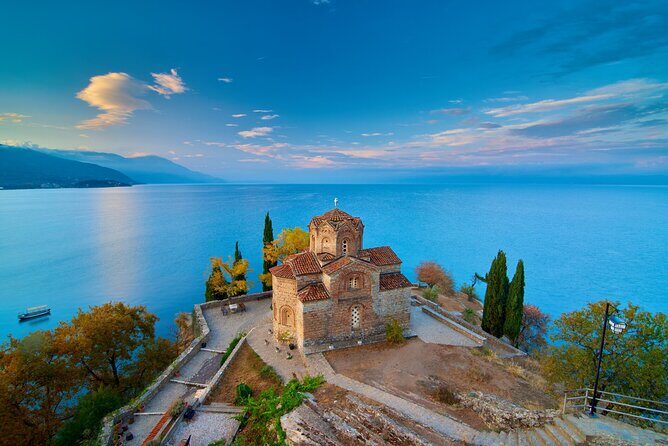
Day 5 is a strong “finish with meaning” day. You start in Ohrid, where the city and Ohrid Lake are UNESCO World Heritage (since 1980). The focus is on how old this settlement is, including the claim that Ohrid is among the oldest human settlements in Europe.
You’ll also get the lake’s history label—Romans called it Lyhnidas, described as the Light Lake. That word choice matters, because it frames the lake as more than scenery; it’s part of how people named and understood the place over time.
Ohrid is also presented as an important center of Orthodoxy, which adds another layer to why people care about the city beyond the usual “pretty lake town” story.
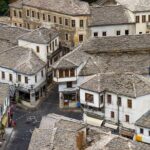
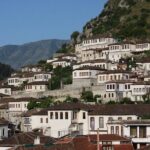
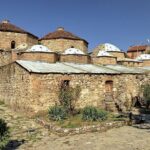
Then you drive to Albania for Berat, famous as the town of 1001 windows, also UNESCO world heritage. The big visual moment here is walking the narrow stone streets for views of medieval houses where windows seem stacked on top of each other.
There’s a strong historical throughline too:
- The city began in the 6th–5th century B.C. as an Illyrian settlement
- It later became a castle city called Antipatrea in the 3rd century B.C.
- Residents still live inside the castle walls today
You’ll see more than one layer at once: a medieval castle, churches and mosques, a lower town of old houses on steep hillsides, plus museums and remains from the communist era. It’s a place where the past isn’t only preserved behind fences—it’s part of daily life.
Price and logistics: is $1,812.35 good value for this route?
At $1,812.35 per person for about 5 days, the value depends on what you’re comparing it to. What you’re getting here is not just guiding—it’s a chain of costs typically found separately: hotels, transport, entry tickets, and the paperwork-style inclusions (tourist taxes, road taxes, petrol, international car insurance).
Included at a glance:
- 3-star hotels with breakfast (BB) for the overnights
- Private transportation
- Professional tour leader
- Hotel pick up and drop off in Tirana
- Entry tickets for the sites you visit
- Tourist taxes, road taxes, petrol, and insurance items
- 4 breakfasts
Lunches and dinners are not included, so you should budget for meals on your own. If you tend to snack lightly and choose one paid meal per day, your daily spend might be manageable. If you prefer sitting for three longer meals every day, plan for it.
Single travelers should note the single-room option costs 45 Euros extra per night in 3-star accommodation. That can change the “value math,” so it’s worth checking your room type early.
Also, the tour is non-refundable and can’t be changed for any reason. That’s not the place to book on a maybe.
What to pack (and how to handle cobblestones and long days)
This route is a walk-and-photo mix inside old towns plus castle views on hills. Bring comfortable shoes you can trust on cobblestones and stone steps, and plan for weather swings since coast mornings can shift fast.
Because lunches and dinners aren’t included, you’ll want a simple plan for mid-day energy. Even if you buy lunch at a stop like Mrizi i Zanave, having a small backup snack routine helps when the schedule runs full.
One more practical tip: take your camera battery seriously. Day 1 alone gives you multiple “pause and shoot” moments (Sveti Stefan views, Budva’s old streets, Kotor’s maze), and Day 5 stacks even more picture-worthy scenes (Ohrid lake area and Berat’s stacked windows).
Who this tour suits best
This tour fits best if you want:
- A structured route through Montenegro, Albania, Kosovo, and North Macedonia
- UNESCO stops plus iconic city scenes like Kotor, Ohrid, and Berat
- Small-group handling, with a guide who can explain why places matter
- A trip style where you’re okay with early starts and long travel days
It may not fit as well if you:
- Want lots of free, unscheduled time every afternoon
- Get worn out by 4–5 days of moving between countries and old towns
- Need every meal included and priced into the package
FAQ
How much does the Small Group Tour of Montenegro, Albania, Kosovo & N. Macedonia cost?
The price listed is $1,812.35 per person for the tour.
How long is the tour?
The duration is listed as 5 days (approx.).
How big is the group?
The tour has a maximum of 10 travelers.
What’s included in the price?
Breakfast and accommodation (BB) for all overnights in 3-star hotels, private transportation, a professional tour leader, hotel pick up and drop off in Tirana, entry tickets for the sites that will be visited, tourist taxes, international car insurance, road taxes, and petrol. Breakfast is included for 4 mornings.
Are lunch and dinner included?
No. Lunches, dinners, drinks, and snacks are not included.
Is hotel pickup in Tirana included?
Pickup is offered in Tirana on request (at least 12 hours before departure). The tour also includes hotel drop-off in Tirana.
Is a single room available?
Yes, single room occupancy is possible for a 45 Euros extra charge per night per person in a 3-star hotel.
Should you book this small group Balkans tour?
If you want one trip that strings together Kotor, Ohrid, Prizren, Skopje, and Berat with most of the logistics handled, I’d call this a strong booking. The mix of included site tickets, private transport, and small-group size helps keep the experience efficient without feeling chaotic—just expect full days, especially on the driving-heavy stretches.