REVIEW · TIRANA
Day Tour of Budva and Kotor Montenegro from From Tirana & Durres
Book on Viator →Operated by aroundbalkans · Bookable on Viator
Three coast towns. One long day.
I like the fast hit of Budva Old Town and Kotor that you get in a single outing, plus the chance to see Sveti Stefan from the coast. I also like that the trip is structured with real stops (not just drive-bys) and that you’re guided in an air-conditioned vehicle with a licensed English speaker. The main drawback is time: it’s a long day on the road, and the experience lives or dies by how well the guide manages it.
This tour starts with hotel pickup from Tirana, Durres, Golem, or Shkoder, and the group is kept small (max 8). You’ll want your passport ready because you cross a border to get into Montenegro.
One more practical note: you’ll enjoy viewpoints and walking time in town, but Sveti Stefan is view-only from the outside. That can still be stunning, but it’s not the same as stepping onto the island resort.
In This Review
- Key highlights to know before you go
- How the day tour really feels from Albania
- Pickup, travel time, and the border reality
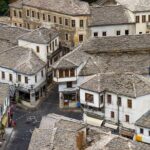
- Shkoder stop: quick coffee and Ottoman-era atmosphere
- Sveti Stefan viewpoint: iconic red roofs, island access not included
- Budva Old Town and beach time: walls, alleys, and Church of Saint John
- St. Tryphon Cathedral in Kotor: a quick interior stop you’ll remember
- Kotor UNESCO Old Town: walls, cobblestones, and a view from higher ground
- Price and value: what $68.65 buys you versus what can go wrong
- Group size and guide quality: why it matters more than you think
- What to bring so the day feels easier
- Should you book this Budva and Kotor day trip?
- FAQ
- How long is the Budva and Kotor day tour?
- Where does pickup happen?
- Do I need a passport for this tour?
- What does the tour include for entrance fees?
- Is Sveti Stefan included on the island?
- What group size should I expect?
- Is it refundable if the weather is bad?
Key highlights to know before you go
- Small group (max 8) for a Montenegro day: easier questions, fewer bottlenecks at photo stops
- Hotel pickup in Albania: Tirana, Durres, Golem, or Shkoder, then straight toward the Montenegrin coast
- Budva and Kotor in one day: two medieval-feeling towns plus beach time
- Church and cathedral with entry included: you do get interiors, not only exterior photos
- Sveti Stefan is viewpoint-only: big photos from the coast, island access not included
- Good weather matters: if visibility is bad, the coast stops lose some of their punch
How the day tour really feels from Albania
This is one of those trips where the reward is real, but you have to accept the commute. The scheduled duration is about 13 hours, and you should plan for more time in practice. You’re traveling from Albania to Montenegro, then moving between multiple towns and viewpoints.
I think this format works best if you like seeing a lot in one go and you’re fine with frequent movement. You’re also less likely to feel bored because each stop has a different flavor: a quick coffee and Ottoman-era vibe in Shkoder, a classic coastal viewpoint at Sveti Stefan, medieval streets in Budva and Kotor, plus some church interiors that slow the pace in a good way.
The group size (up to 8) is a big quality signal. Small groups help guides keep control, manage timing, and get everyone into the right spot for photos and cathedral entry. If you’re the type who hates rushing, you’ll still want to keep your expectations realistic, because the day is long.
Other Montenegro day trips from Tirana

Pickup, travel time, and the border reality
The tour starts with hotel pickup from Tirana, Durres, Golem, or Shkoder. After that, you’re on an air-conditioned vehicle with an English-speaking licensed guide. Car insurance and road taxes are included, and that usually means fewer hassles for you.
The part you must not ignore is the passport. Border crossing is part of the plan, so leave it in your day bag but keep it accessible. Nothing kills a travel morning like digging for documents while everyone waits.
Because travel time is baked into the total duration, you can’t treat this like a simple day outing where you’re back early. Build your day around this plan, not around side activities. The best mindset is: enjoy the ride, use the breaks, and accept that you’re doing the coast at sprint pace.
Shkoder stop: quick coffee and Ottoman-era atmosphere
Shkoder is your first meaningful pause, about 20 minutes. You get a local coffee break and a chance to take in the city’s feel before heading back onto the road.
Even in a short stop, Shkoder can help set the tone. The guide explains Ottoman-era architecture and points you toward vibrant markets, so you’re not only watching scenery from a bus window. For some people, 20 minutes sounds too short. I get that. But used right, it’s a reset: grab a caffeine boost, get your bearings, and start mentally shifting from Albania’s inland rhythm to the Adriatic coastline.
If you have limited breakfast time, this is your moment to eat something small. Just don’t assume you’ll have long food breaks later.
Sveti Stefan viewpoint: iconic red roofs, island access not included
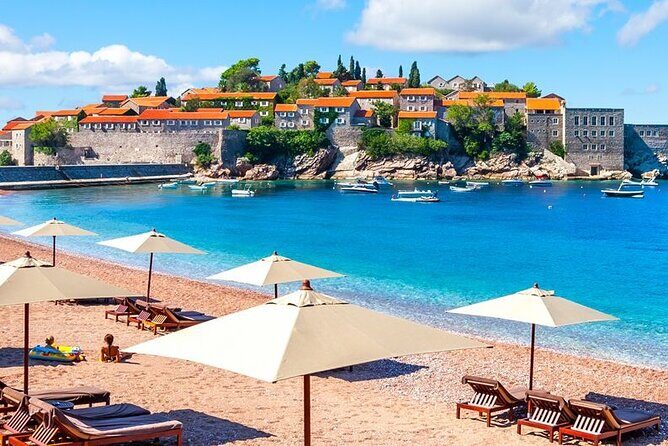
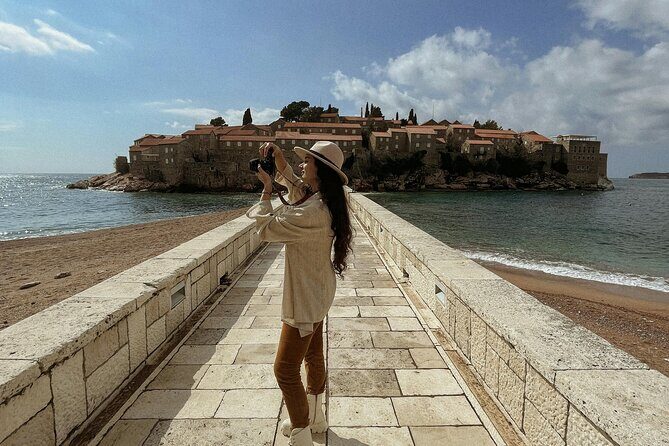
Sveti Stefan is one of those Montenegro images you’ve probably seen in photos for years: red-roofed buildings, a fortified island resort feel, and the little bridge connection to the mainland. On this tour, you don’t enter the island itself. You get a scenic viewpoint and time to take photos.
The guide shares the island’s story: a fishing village that later became a celebrity draw in the 1960s, and a place with strategic significance going back centuries. You’re looking at the silhouette and the architecture style from outside, so the experience depends on daylight and visibility. If you go on a clear day, your photos can be genuinely memorable.
My practical advice: treat this like your photography warm-up. Before you focus on Kotor and Budva, you’ll already understand the angle you like, and you’ll know what kind of shots work best from the coastline.
Budva Old Town and beach time: walls, alleys, and Church of Saint John
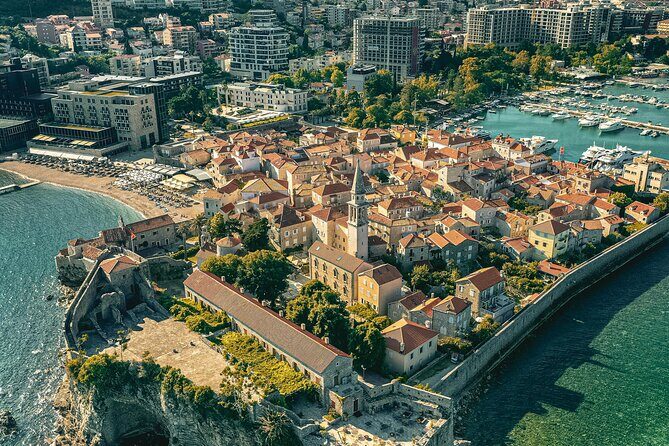
Budva is the part of the day that often feels most balanced. You get about an hour in town, enough time for the basics without needing to sprint every minute.
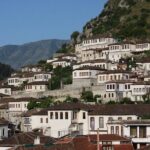
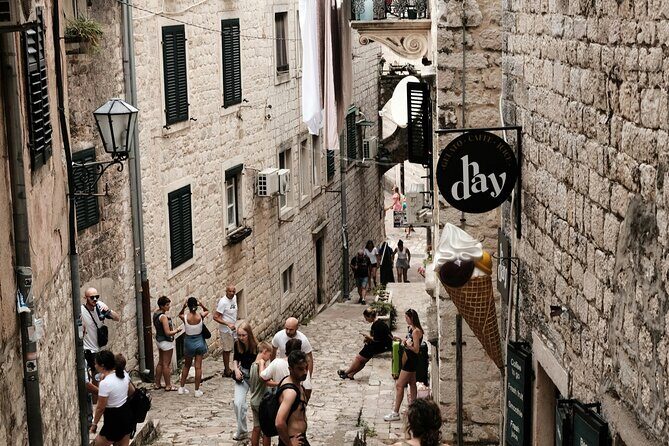
Start with the Old Town, enclosed by ancient walls dating back to the 15th century. Expect narrow alleys with Venetian-style architecture, plus a mix of cafes, shops, and historical landmarks like the Citadel and the Church of Saint John.
Then there’s beach time. You’re not given a huge chunk to fully lounge, but you do get leisure time to enjoy Budva’s sandy shoreline and the Adriatic views. For me, this is a key value point: you get both medieval streets and a coastal break in the same town, instead of only walking all day.
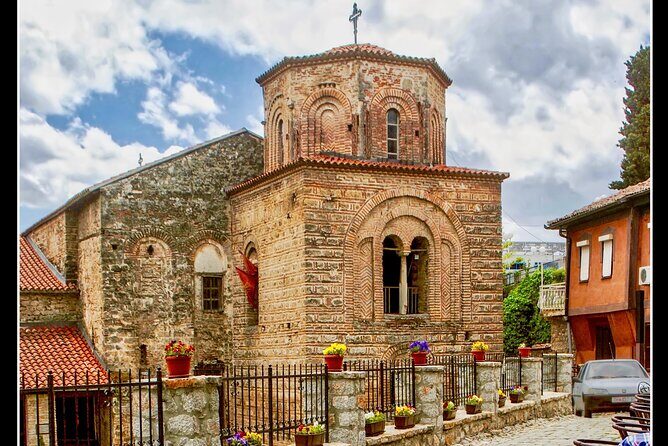
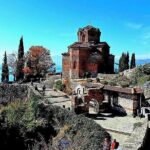
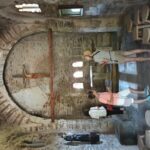
In the Old Town area, you also visit the Church of Saint John the Baptist (Sveti Ivan). This is one of the stops where the tour becomes more than scenic sightseeing. The church dates to the 7th century and shows Byzantine and Romanesque influences. You can see the interior, including ancient frescoes and religious artifacts, and the guide explains how it started as a Benedictine abbey before shifting into worship under different rulers.
Note the timing: the church visit is about 15 minutes with entry included. That’s short, but it’s long enough to see the important interior details if the group stays together.
Other Durres tours we've reviewed near Tirana


St. Tryphon Cathedral in Kotor: a quick interior stop you’ll remember
Once you reach Kotor, you get a guided highlight that many road trips skip: the St. Tryphon Cathedral interior. It’s dedicated to Saint Tryphon, Kotor’s patron saint, and it houses relics of the saint. The cathedral dates back to the 12th century, and it blends Romanesque and Byzantine styles.
Because it’s included, you don’t have to budget or queue on your own. You also get to see frescoes, stone carvings, and a treasury of precious artifacts. The guide explains the cathedral’s history, including reconstruction after earthquakes, and frames it as part of Kotor’s resilience as a port city.
The time here is about 20 minutes. That’s enough to understand why this church matters, not enough to act like you’re in a slow museum visit. Still, it’s one of the strongest “this tour did something real” parts of the day.
Kotor UNESCO Old Town: walls, cobblestones, and a view from higher ground
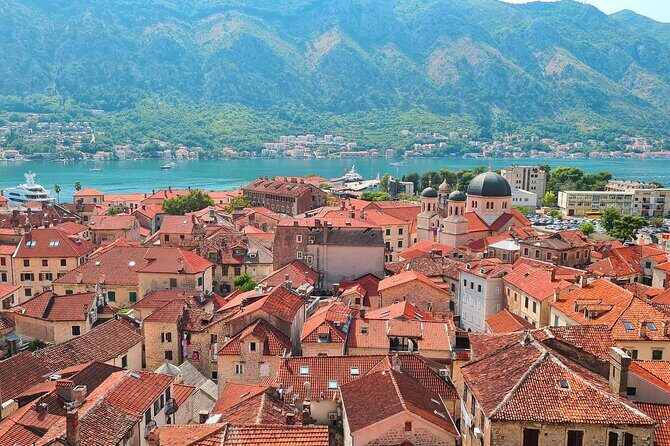
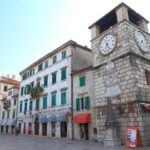
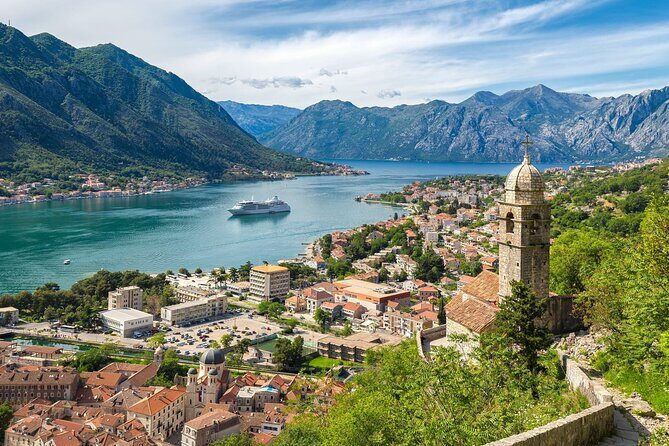
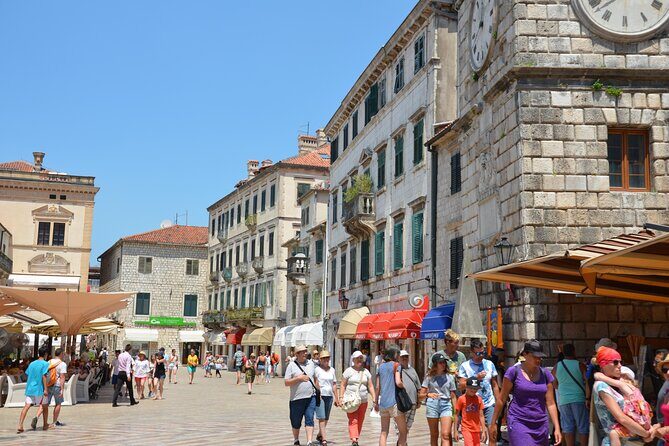
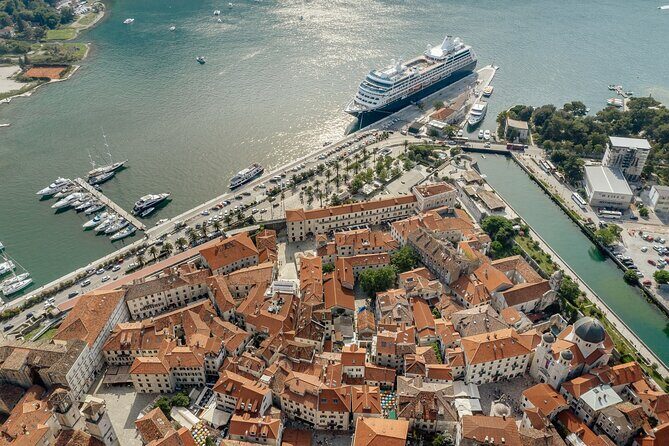
Kotor is the big name on this route, and UNESCO listed status isn’t just a label. The Old Town is enclosed by imposing medieval walls, and that sense of enclosure creates a very walkable medieval feel—especially when you first step into the cobblestone streets.
You get about an hour in Kotor. The guide helps you see the Cathedral of Saint Tryphon, explains the town’s maritime past, and points out how Romanesque churches and Venetian-style palaces reflect layers of rule and architecture. There are cafes, boutiques, and artisan shops along the main streets, but the star is still the town layout and the wall line.
You also ascend the ancient city walls. That’s a big deal because it turns the walking into something more than sightseeing. You get the higher-ground view and the chance to understand why Kotor’s defenses and geography mattered in Adriatic trade.
The only thing to watch: wall time can feel demanding if you’re not used to steep uneven stone paths. If you can handle a short uphill, you’ll love this segment.
Price and value: what $68.65 buys you versus what can go wrong
The listed price is $68.65 per person, and at that number, the value can be strong if everything runs smoothly. You’re getting hotel pickup and drop-off, an English-speaking licensed guide, an air-conditioned vehicle, and all fees and taxes. You’re also getting included entry for the church in Budva and the cathedral in Kotor, while many other stops are free to access.
That said, the value depends on how the guide uses the time. One person flagged a situation where the day felt more like driving than guiding, with certain planned stops not properly visited. Another point raised was that the total time felt closer to 15 hours, and the cost felt high when compared to what was actually delivered.
Here’s how I’d think about it if you’re deciding:
- If the guide keeps you on schedule and you get the planned interior visits, this can be a good way to see two major coastal towns without renting a car.
- If your day stretches, or if stops shrink, you’re basically paying for transport plus short photo breaks.
So my advice is simple: before you book, check your personal tolerance for long days and ask yourself if you’ll be okay spending most of it on the move. If yes, the price can make sense.
Group size and guide quality: why it matters more than you think
This tour caps at 8 travelers. That’s small enough for the guide to keep everyone together, explain what you’re seeing, and still manage getting you into churches on time.
Guide quality also shows up in how informative the stops feel. One highlight involved a guide named Mentor, described as calm, very knowledgeable about local culture, and able to handle surprises without losing control. Another guide mentioned was Besnik, described as accommodating, but also criticized for not acting like a true guide at one point, turning more into a driver role.
That mix is your warning label: the itinerary can look great on paper, but the experience you feel is tied to how assertively the guide runs the day. In a small group, that matters even more because the guide’s pacing becomes everyone’s pacing.
If you tend to remember factual storytelling as part of the trip, prioritize tours with strong guide reputations. If you’re mostly in it for scenery and quick town wandering, a less talkative guide may still be fine as long as the stops happen.
What to bring so the day feels easier
Because the day is long and includes walking (especially Kotor walls), pack like you’re hiking lightly, not like you’re going to dinner.
Bring:
- Comfortable walking shoes with grip for cobblestones and steep stone steps
- A light layer for sun and wind on the coast
- Sunglasses and sunscreen for Budva and the viewpoint areas
- Your passport in a secure, easy-access pocket
- A charged phone or camera battery for Sveti Stefan and Kotor photos
Also, keep your bag simple. You’ll be moving in and out of the vehicle and spending time in old-town streets where narrow spaces make oversized bags annoying.
Should you book this Budva and Kotor day trip?
Book it if you want a one-day overview of Montenegro’s most famous coastal stops and you’re okay with a long ride. I’d especially recommend it if you don’t want to drive across the border, and you like having a licensed English guide point out what you’re looking at—then give you time to wander.
Skip it or look for a different option if long days drain you fast, or if you’re the type who needs slow museum-grade time inside every site. Also think carefully if you want Sveti Stefan in a hands-on way. On this tour you only see it from outside, and the island access isn’t included.
FAQ
How long is the Budva and Kotor day tour?
The tour duration is listed as about 13 hours, and travel time is included in the total.
Where does pickup happen?
Pickup is offered from Tirana, Durres, Golem, or Shkoder, and the guide picks you up at your hotel.
Do I need a passport for this tour?
Yes. You are required to bring your passport because you cross the border to reach Montenegro.
What does the tour include for entrance fees?
Entrance is included for the Church of Saint John the Baptist (Sveti Ivan) in Budva and St. Tryphon Cathedral. Other stops listed have free admission.
Is Sveti Stefan included on the island?
No. You get viewpoints of Sveti Stefan, but the island itself is not included.
What group size should I expect?
The tour has a maximum of 8 travelers.
Is it refundable if the weather is bad?
If the tour is canceled due to poor weather, you’ll be offered a different date or a full refund.