REVIEW · TIRANA
Albanian Highlights – UNESCO sites ,Nature and Food tour
Book on Viator →Operated by Tirana Day Trips · Bookable on Viator
Six days, and Albania already feels personal. This small-group tour links UNESCO towns with nature breaks like canyons, waterfalls, and lagoons—so your photos aren’t all “ruins and more ruins.” You also get real-life food moments, including a meal with a family tied to Berat’s castle life.
I love how this route gives you context, not just stops. In Berat, you see the castle complex and then you move into Onufri’s world of icons inside a church-type museum; it’s a different side of Albania’s mix of faith and art. I also like the lagoon and nature rhythm, especially the boat time in Karavasta and the birdy calm around Narta Lagoon.
One thing to plan for: the scenery days mean moderate walking and some hills, steps, and uneven ground. If you’re the sort who hates climbing down (and then up), you’ll want to take your time at Osum Canyon and the parks.
In This Review
- Key highlights to look for
- UNESCO towns meet real southern nature
- Price and what you’re really paying for ($973.82)
- Tirana and Durrës: modern Albania’s layers, plus big Roman scale
- Berat: UNESCO architecture, Onufri icons, and a castle-meal you’ll remember
- Osum Canyon, Bogove waterfall, and Roshnik’s food-and-wine dinner
- Gjirokastër and the Blue Eye: fortress-town charm and a spring of clear water
- Butrint, Porto Palermo, and Llogara Pass: ruins plus coastline drama
- Zvernec and Apollonia: lagoons, monastery calm, and ancient leftovers
- The guide factor: why Zeni-style guiding shows up in the feedback
- Who should book this tour (and who might not)
- Should you book Albanian Highlights – UNESCO sites, Nature and Food tour?
- FAQ
- Which UNESCO sites are included?
- Is pickup offered?
- How many people are in the group?
- Are meals included, and do drinks come with them?
- What kind of physical fitness do I need?
- Are any admission tickets included?
Key highlights to look for
- Small group size (max 8) means less waiting and more time at viewpoints
- UNESCO trio: Berat, Gjirokastër, and Butrint, plus extra ancient sites afterward
- Nature with actual time outside: lagoon boat trip, canyon viewpoints, waterfall swim/freshen options
- Food you can’t fake: local-family meal in Berat and dinner at an agro farm in Roshnik
- A great guide can make or break it, and the feedback often points to Zeni’s style, English, and care
UNESCO towns meet real southern nature
This tour is built like a good day off in Albania: you start with a town that has stories in the walls, then you step outside into rivers, canyons, and coastal light. The UNESCO sites here are not just “check the box” places—Berat’s architecture, Gjirokastër’s fortress-town feeling, and Butrint’s mix of ruins and nature all show different chapters of the same region.
What makes it work for you is the pacing. You’re not only stuck in museums. You get viewpoints (Osum Canyon), water stops (Bogove waterfall and optional canyon swimming), and lagoon areas where the sky feels part of the experience. It’s an Albania sampler, but with enough time to actually see.
Other food & drink experiences in Tirana


Price and what you’re really paying for ($973.82)
At $973.82 per person for about 6 days, you’re paying for more than transportation between cities. You’re paying for the “glue”: a guided route that handles the long drives, organizes admission timing (with several tickets marked as included), and builds in meals that help you eat like locals rather than grabbing whatever’s open.
A few value points matter:
- Meal coverage: dinner is included, and breakfast and lunch are marked as included on some days. Drinks aren’t included, so keep that in mind when you budget.
- Admissions aren’t all on you: multiple stops list admission tickets as included (examples include Osum Canyon, Bogove waterfall, Butrint, and the Blue Eye). Others are marked free in the itinerary, which reduces surprises.
- Small-group experience: max 8 travelers isn’t just a comfort perk. It usually means fewer bottlenecks at photo stops and better attention when you want a slower walk.
If you prefer to travel self-guided, Albania is doable on your own. But if you want your time spent on seeing and tasting, not planning and re-planning, the structure here is the value.
Tirana and Durrës: modern Albania’s layers, plus big Roman scale
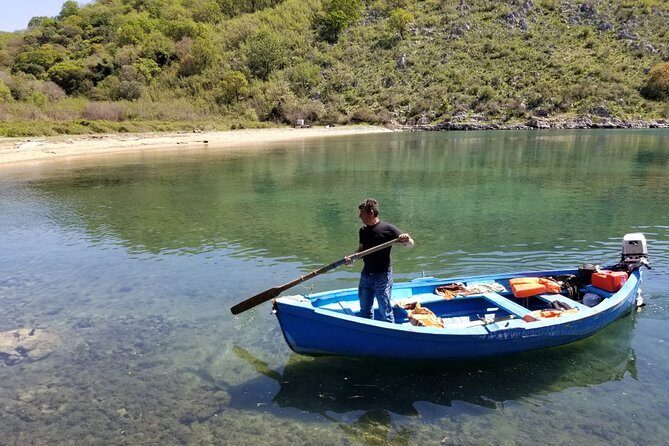
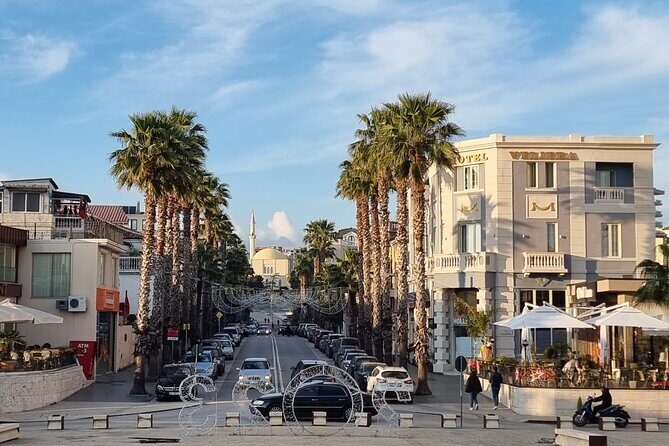
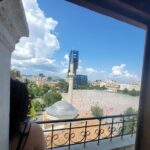
Your trip begins in Tirana, and it’s a smart start because it explains the country before you drive south. In the center, you walk through areas tied to Skanderbeg Square and nearby historic sites, then you shift into the 20th century with the old mosque in the city center.
After that, the day swings into Bunk’Art, an ex-communist bunker turned museum. It’s not just an underground room full of facts; it gives you the feeling of how the state shaped daily life—and why Albania’s later identity has such strong contrasts. Then you head to the Blok area, where the vibe is totally different now: bars, nightlife energy, and a sense of modern everyday Albania.
Next comes Durrës. You get the amphitheatre first, and it’s huge—described as the biggest in the Balkans in the itinerary details. After that, you visit the archaeological museum, which helps connect the coast to older empires and trade routes. Then you get a free evening to wander the pedestrian street near the Adriatic.
Practical note: this is a full first day—town walking plus a transfer. Wear comfy shoes and give yourself a slower pace through Tirana’s center.
Berat: UNESCO architecture, Onufri icons, and a castle-meal you’ll remember
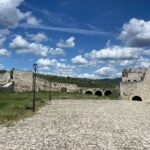
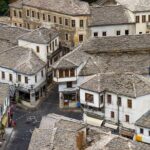
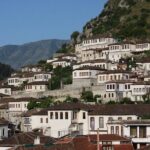
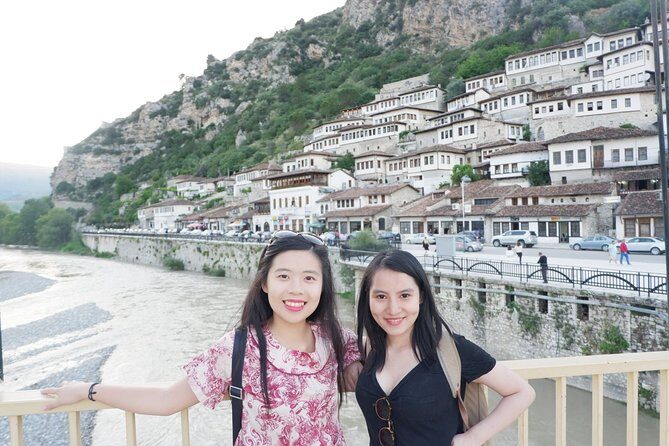
Berat is the kind of place that makes you look up even when you don’t plan to. The UNESCO focus is the town’s architecture, especially the way buildings stack along the slopes. You also get the castle setting, described as built on older foundations (the itinerary notes IV century BC), which helps the whole “old town” picture feel more grounded.
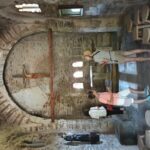
Inside the fortress, you visit key monuments, then you move to the Onufri museum—framed as a church-type museum space where you can see old icons attributed to Albanian masters. This is a different tone from the rest of the trip: less “outside views,” more “what people believed and made.”
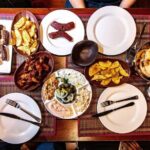
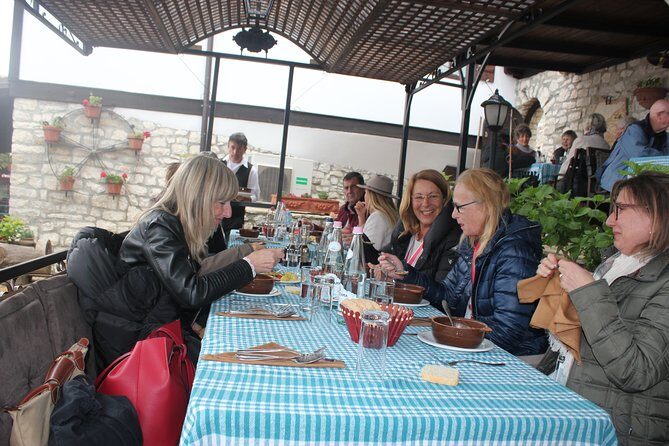
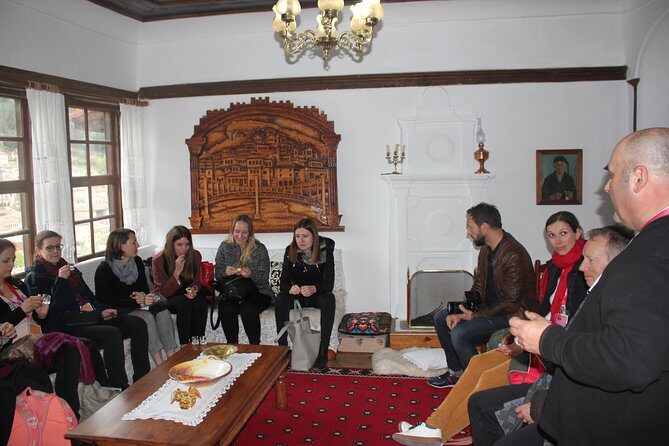
And then comes a highlight built for food lovers: lunch with a local family who lives in the castle. That matters because it turns a museum town into a lived-in place. You’re not just eating; you’re learning how daily life fits into an old structure.
You also get free time in the old town areas of Mangalem and Gorica. That’s when you can slow down for photos, stroll without a schedule, and get the feel of Berat after the guide-led pace ends.
A consideration: Berat’s streets and castle areas can involve stairs and uneven ground. I’d plan on taking it easy, especially if you’re sensitive to heat in summer.
Osum Canyon, Bogove waterfall, and Roshnik’s food-and-wine dinner
Day 3 is where the tour turns from “town history” into “South Albania nature.” You start with Polican, a town founded during the communist era to produce weapons. You don’t go deep into factory interiors; you see the weapon factory from a distance, and the guide shares what the town was for then and how it fits into the present. It’s a sobering stop that sets up the contrast you’ll keep seeing throughout the trip.
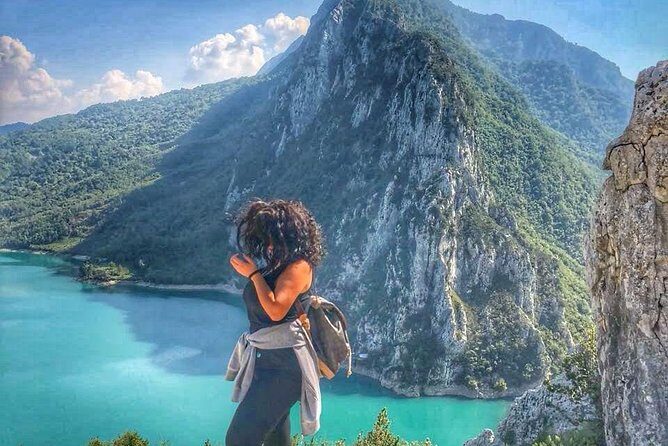
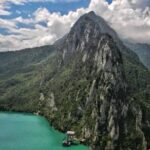
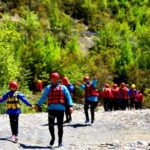
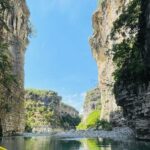
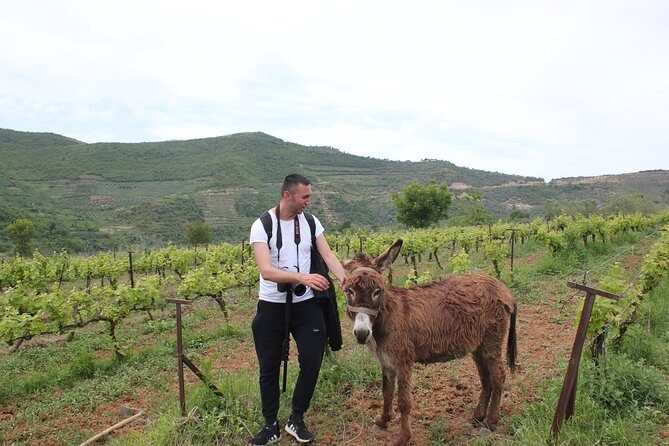
Then you head to Osum Canyon (Kanioni i Osumit), described as Albania’s biggest canyon and even compared to a Colorado-style feel. You stop at viewpoints, walk around the canyon edges, and there’s an optional short exploration and a chance to swim in the canyon if you want. It’s one of those moments where the scenery is active, not just scenic.
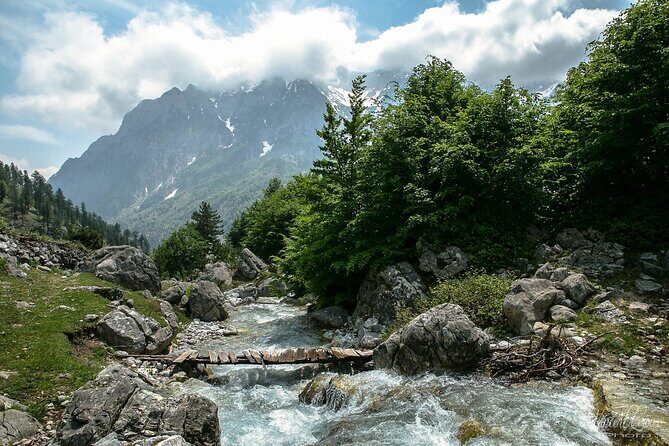
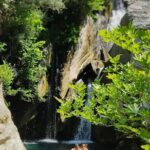
On the way back toward Berat, you stop at Bogove. Bogove is built around the waterfall and the national park environment. The itinerary mentions walking in the national park, enjoying views of the stream from the waterfall area, and freshening up with the cool waters or swimming. This is the type of place where you stop feeling like you’re on a schedule and start feeling like you’re on a day out.
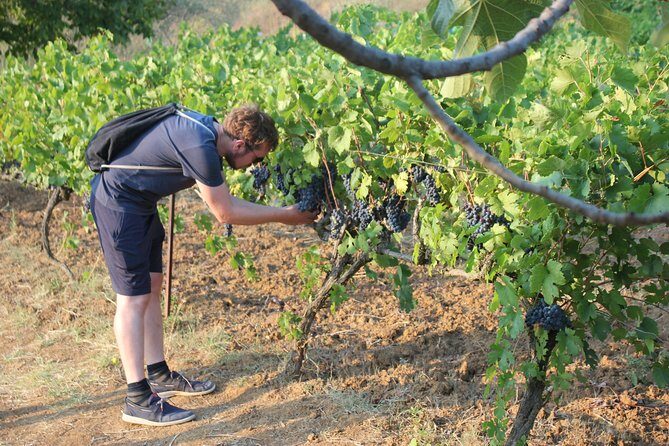
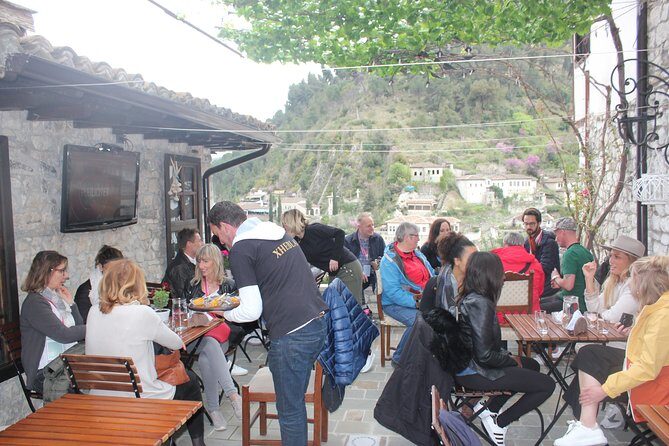
Back near Berat, you drive to Roshnik village, about 20 minutes from town, and this is the food-and-wine region moment. Dinner is at an agro farm with local food. It’s the kind of meal that usually comes with slower conversation and fewer menus—exactly what you want after a hike-and-water day.
A few more Tirana tours and experiences worth a look



Gjirokastër and the Blue Eye: fortress-town charm and a spring of clear water
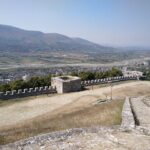
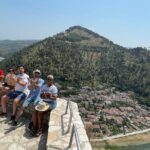
Gjirokastër is the UNESCO town stop for Day 4, and it’s famous here for its castle and bazaar. You walk through the bazaar, learning about architecture and town history, then you continue the “fortress town” theme so the buildings aren’t just pretty—they make sense in context.
After lunch in Gjirokastër, you transfer toward Sarandë. On the way, you visit the Blue Eye, described as a spring and a natural park area in the south. The time is short, but even a quick stop can be worth it because the water-feel is different from the canyon and waterfall stops earlier in the trip.
Then you arrive in Sarandë and check in. You get a free evening to stroll the pedestrian street. This is one of the best “switch-off” parts of the tour: no big itinerary push, just time to wander and enjoy the coastal mood.
Butrint, Porto Palermo, and Llogara Pass: ruins plus coastline drama
Day 5 strings together three different types of “wow.” First is Butrint National Park, one of Albania’s most important archaeological and natural sites. You visit the ancient ruins and you’re given time to take photos and enjoy the views. The key here is the blend: you’re not only walking among stones; you’re also experiencing a natural setting that shapes what the site feels like.
Next, you drive toward Vlore through the Albanian Riviera. The itinerary calls out a scenic drive with old villages and viewpoints, then a stop at Porto Palermo and its castle. This is a viewpoint-style break—short on time, strong on views.
Then you go over Llogara Pass, listed as 1091 meters above sea level. If you like road trips with payoff, this is where you get it. You stop for lunch at a restaurant with a view of the Ionian Sea, then you continue on to Vlore.
Vlore ends the day with a free evening on the Ionian coast—time to stretch, slow down, and not have to make decisions for the first time in days.
Zvernec and Apollonia: lagoons, monastery calm, and ancient leftovers
The final day keeps the nature-and-history mix going. You start at Zvernec on an island in Narta Lagoon. The itinerary highlights flamingos and Dalmatian pelicans in the area, and you visit the monastery while enjoying the landscape and birdlife atmosphere. This is the kind of stop where you benefit from simply slowing down—watching, taking photos, and letting the setting do its work.
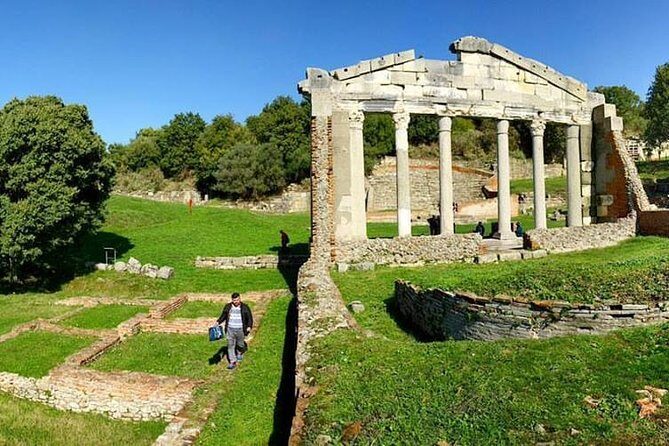
Then you head to Apollonia Archaeological Park, described as an ancient town of Albania. You visit the ancient ruins and a monastery area, with time to learn about the site’s glory during antiquity and its later fall. This is a great ending point because it ties back to the idea that Albania’s history is layers—Roman-scale places, fortress-town energy, and then big classical remnants.
Finally, you transfer back to Tirana and drop off at your hotel or another destination.
The guide factor: why Zeni-style guiding shows up in the feedback
The feedback tied to this tour repeatedly praises guide Zeni. People highlight that he speaks perfect English, stays courteous and considerate, and brings the trip together through history, geography, culture, and cuisine. One review also mentions a protective, fun approach—exactly the sort of combination that matters on a route with long drives and frequent stops.
If you’re choosing a tour for a place you’re not familiar with, that guide role is huge. You’re not just relying on signs and your own guesses; you’re getting someone to connect dots between architecture, politics, and everyday food. For a country like Albania, that matters.
Who should book this tour (and who might not)
This tour is a strong fit if you:
- Want UNESCO plus nature in one trip, not a single-theme itinerary
- Like active outdoors breaks (canyon viewpoints, waterfall cooling, optional swimming)
- Care about food experiences, including a castle-family lunch and an agro farm dinner
- Prefer a small group up to 8, with pickup and more hands-on guiding
You might think twice if you:
- Have trouble with walking on uneven terrain or dealing with hills/stairs
- Don’t enjoy road time between stops (the tour includes multiple transfers across the south)
Should you book Albanian Highlights – UNESCO sites, Nature and Food tour?
I’d book it if your goal is to see a lot of Albania’s south without turning your trip into a logistics puzzle. The UNESCO core is strong (Berat, Gjirokastër, Butrint), but what seals it is the pattern: towns give you context, and nature gives you a reset.
Also, the price starts to make sense when you factor in meals (at least dinner, plus some breakfasts/lunches), included admissions at several stops, and the small-group cap. If you’re willing to do moderate walking and you want authentic food moments, this is the kind of trip that sticks.
FAQ
Which UNESCO sites are included?
The tour includes UNESCO towns and sites: Berat, Gjirokastër, and Butrint National Park.
Is pickup offered?
Yes. Pickup is offered, and you meet your guide in the morning in Tirana.
How many people are in the group?
The tour has a maximum group size of 8 travelers.
Are meals included, and do drinks come with them?
Dinner is included. Lunch and breakfast are included on some days (listed as optional in the included section). Drinks are not included.
What kind of physical fitness do I need?
The tour notes that travelers should have moderate physical fitness level.
Are any admission tickets included?
Yes. Several stops are listed with admission tickets included (for example Osum Canyon, Bogove waterfall, Blue Eye, Butrint, and Apollonia), while other stops are marked as free.