REVIEW · TIRANA
Shkodra ,Shengjin Including swimming in Adriatic Sea :Tirana
Book on Viator →Operated by Guidealbania · Bookable on Viator
Castle views and sea air in one long day. This is a one-day loop that takes in Shkodra’s Ottoman-and-religion landmarks plus hilltop ruins, then winds down at Shengjin on the Adriatic with time to swim.
I like the way this day is organized for real touring: hotel pickup makes it low-stress, and the group is capped at 15 so questions don’t get lost. I also like the mix of places—Franciscan church, Rozafa fortress, a major photography museum, and the Ebu Bekr Mosque—so you see how Shkodra’s many influences sit side by side.
The one thing to watch is ticket math. Some stops have admission free, but Rozafa Castle and Marubi Museum are not included, so you’ll want a little cash or card ready for those.
In This Review
- Key highlights you’ll actually feel
- Starting in Tirana, then hitting Shkodra like you mean it
- Shkodra: Northern Albania’s cultural crossroads in plain sight
- Franciscan Catholic Church: neo-gothic calm and Albanian identity
- Rozafa Castle: the hilltop payoff over lake and rivers
- Marubi National Museum of Photography: Albania through early images
- Ebu Bekr Mosque: Ottoman-style design and a peaceful visit
- Pedonalja: where you slow down and breathe in the city
- Shengjin Beach and Rana e Hedhun: sand, sea, and a controlled escape
- Guide quality is the difference on a long day
- Price and value: what $84.11 buys you in real time
- Logistics that matter: time, tickets, and what to pack
- Who should book this Shkodra + Shengjin day trip?
- Should you book this tour from Tirana?
- FAQ
- How long is the Shkodra and Shengjin tour from Tirana?
- What does the tour cost?
- Do you get pickup from Tirana?
- How big is the group?
- Is admission free for all the stops?
- Are Rozafa Castle and the Marubi National Museum included?
- Can I swim at Shengjin Beach?
- What is the cancellation policy?
Key highlights you’ll actually feel
Small group (max 15): easier pacing and better Q&A
Pickup from Tirana: less driving stress, more sight time
Rozafa Castle viewpoints: big panoramas over lake, rivers, and mountains
Franciscan and mosque stops: a rare sense of Albanian religious coexistence
Shengjin beach + swimming: Adriatic water time at the end of the day
Starting in Tirana, then hitting Shkodra like you mean it
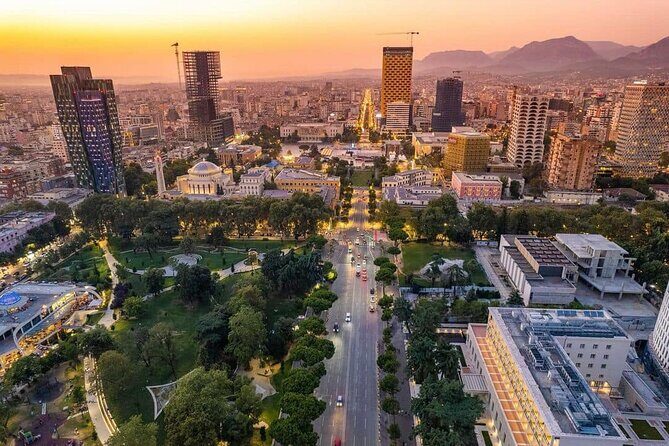
This is a long day, but it’s built for efficiency. You leave Tirana in the morning, tour Shkodra on foot and by car, then finish at the coast. Expect roughly 10–12 hours total, and it can run from around late morning to early evening depending on traffic and the pace you choose.
The value here is that you’re not stuck in transit all day. Pickup and drop-off take care of the biggest unknown: getting to Shkodra and back without juggling schedules. With a small group, you also get more flexibility than the usual “photo stop, next car” rhythm—at places like Rozafa Castle and the beach, you can usually slow down if the views are working for you.
One more practical point: you’ll do a lot of outdoor time. Bring a light jacket if the weather turns, and keep a hat handy. One rainy day in Shkodra didn’t derail the experience, and that’s the kind of day where having a guide who adapts matters.
If you're still narrowing it down, here are other tours in Tirana we've reviewed.

Shkodra: Northern Albania’s cultural crossroads in plain sight
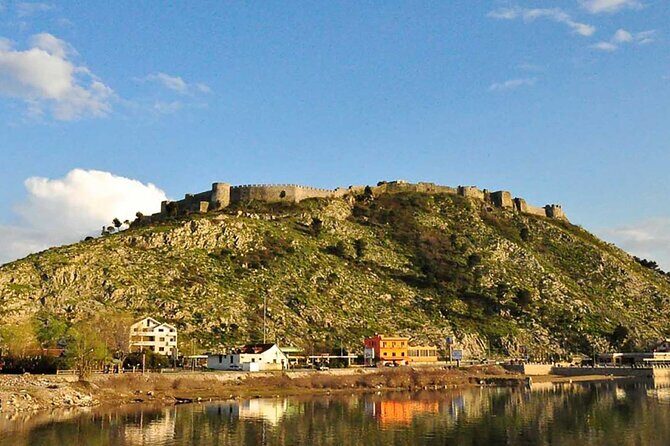
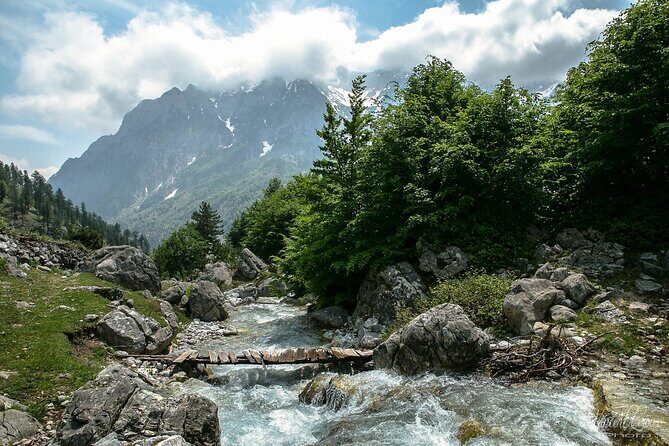
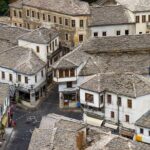
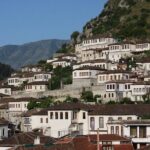
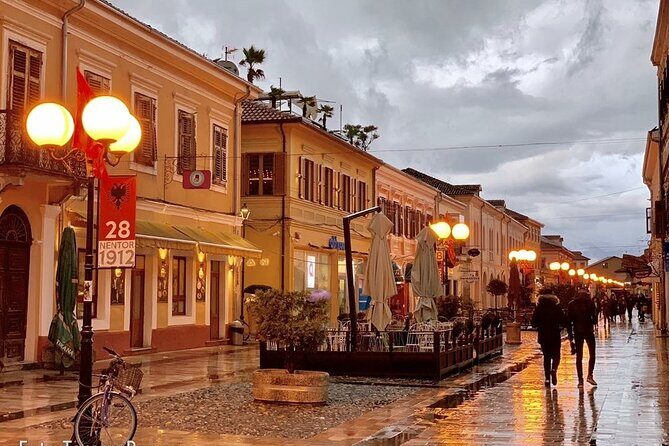
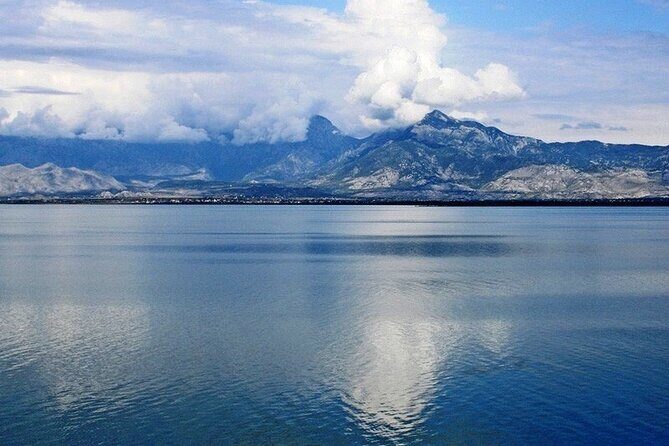
Shkodra (Shkodër) sits in a dramatic pocket of northern Albania near the Montenegro border. It’s where lake and rivers meet the foothills of the Albanian Alps, and that geography helps explain why the city feels both historic and grounded. This is a place with layers—Illyrian, Roman, Byzantine, Ottoman—so you’re not just looking at old buildings. You’re seeing the city’s identity built over centuries.
I love how Shkodra doesn’t ask you to rush through it. The vibe is human-scale: you walk, you pause, you look up at churches and mosques, and then you hop to a hilltop fortress. That sequence matters because it teaches you how the city “thinks” spatially—religious and cultural sites in town, then defenses and lookout points above the water.
You’ll also get a sense of how Shkodra functions as a regional hub. The main pedestrian boulevard (Pedonalja) is a good clue: cafés, shops, and everyday life right alongside the sites you came for. If you want one day that blends history with a real feel for daily Albania, Shkodra is a solid pick.
Franciscan Catholic Church: neo-gothic calm and Albanian identity
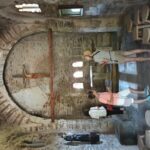
One of the most memorable Shkodra stops is the Franciscan Catholic Church. It’s an important landmark tied to the Franciscans’ role in education and Albanian nationalism, especially during Ottoman rule. That’s not just trivia; it shows up in how the place is treated today—quiet, reflective, and clearly respected.
The architecture is the hook. You’ll see neo-gothic features like a grand façade and high arched windows, with detailed interior features as well. It’s the kind of church where the space encourages slower looking.
This stop is also free for admission, which is a nice bonus when you’re budgeting. The visit is short, so you’ll want to treat it like a focused stop: take a minute at the entrance, then step inside and let your eyes adjust. If you’re coming from the road, give yourself a little time before you start taking lots of photos.
Rozafa Castle: the hilltop payoff over lake and rivers
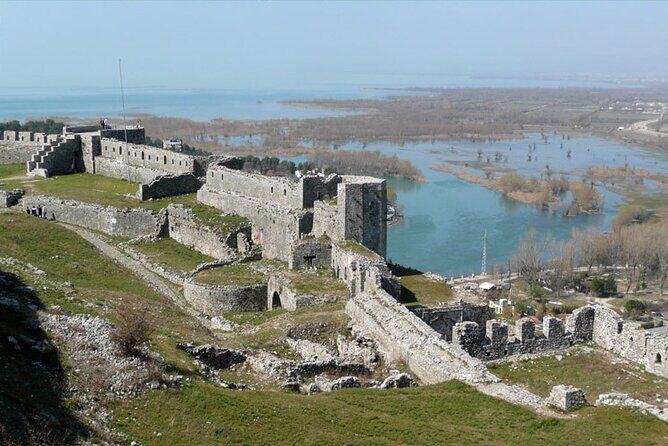
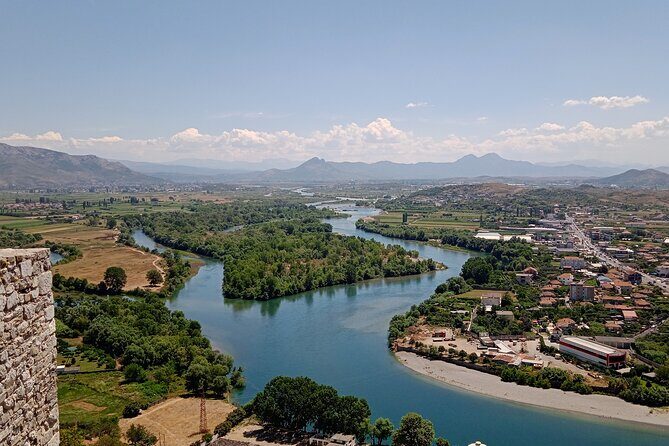
Rozafa Castle is the “yes, this was worth it” stop. It sits on a hill overlooking Shkodra Lake and the Drin and Buna rivers, and it wears its age in the stone. The fortress traces back to Illyrian times, then carries Roman, Byzantine, and Ottoman influences through different eras of use.
What you’ll get most is the viewpoint. From up there, you can understand the geography of the region in one glance: waterlines, river paths, and mountain ridges all stacking up behind the city. That makes the walk through the ancient walls feel more meaningful. It’s not just ruins—you’re learning where people chose to defend and watch.
You’ll also hear the legend connected to Rozafa Castle. It’s the famous story tied to sacrifice and devotion, and your guide will likely connect that legend to what you’re seeing in front of you. Even if you don’t love legends, the storytelling helps you remember the layout of the place.
Two practical notes:
- Rozafa Castle admission is not included, so budget separately.
- This is a walking-and-looking stop. Wear shoes with grip; the ground can be uneven.
Marubi National Museum of Photography: Albania through early images
If you like history you can see, not just read about, the Marubi National Museum of Photography is worth the detour. This museum covers Albania’s early photographic legacy, starting with Pietro Marubi in the 19th century. You’re looking at an archive built from the 1850s onward, with a huge collection—over 500,000 photographs—covering people, traditions, and moments from the country’s past.
The real thrill here is perspective. Old black-and-white portraits and historical scenes don’t just show what Albania looked like. They also show how photography recorded identity and daily life at a time when the country was changing fast.
The time on site is brief, so don’t expect to see everything. Instead, pick a lane: follow the faces, or focus on scenes that show clothing, occupations, or older street life. If you’re a photo nerd, you’ll also appreciate the way early photography techniques shaped what could be captured.
Admission isn’t included for this museum either, so again: plan on separate ticket costs if you want to go in.

Ebu Bekr Mosque: Ottoman-style design and a peaceful visit
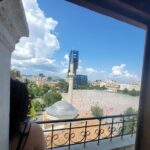
Shkodra’s Ebu Bekr Mosque is the lead mosque of the city, tied to Ottoman-era design. It was originally built in the 18th century and later reconstructed, and you’ll notice the white exterior and the elegant Ottoman-style architecture right away.
This stop is free for admission, and it tends to be calmer than the fortress. The main value is cultural insight: you get a respectful look at how Islam is expressed in Albania and how a place of worship functions as part of the city’s daily rhythm.
You should be ready for dress guidance. The visit includes the chance to go inside, but you’ll want clothing that fits a respectful mosque setting. If you forget something, you might still be able to manage—but don’t count on it. Pack a light scarf just in case, and plan to move slowly while you’re inside so you don’t disturb worshippers.
Pedonalja: where you slow down and breathe in the city
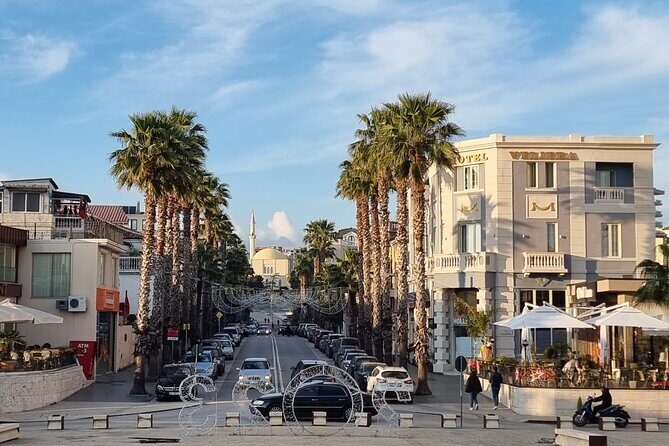
After church and fortress days, Pedonalja (the main pedestrian promenade) is a smart reset. This is where Shkodra does everyday life: cafés, small shops, and historic buildings all lined up close enough to wander without a map.
You can keep it simple: take an espresso, do some light people-watching, and browse for small handmade items if you want a souvenir that feels connected to the city. This is also a good spot to just catch your energy before heading back out toward the coast.
Admission is free. The time is short, so don’t treat it like an all-day market. Treat it like a breathing space.
Shengjin Beach and Rana e Hedhun: sand, sea, and a controlled escape
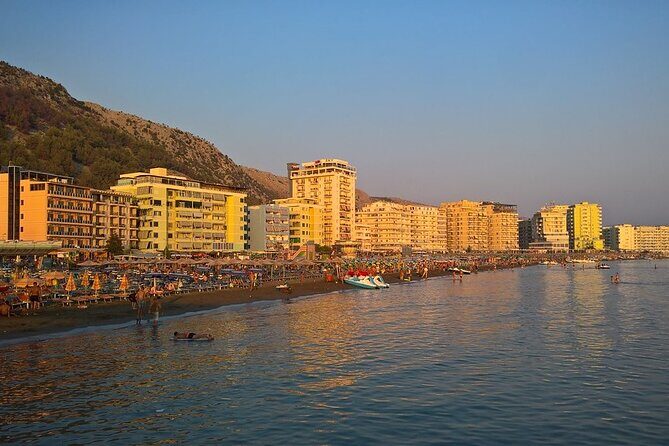
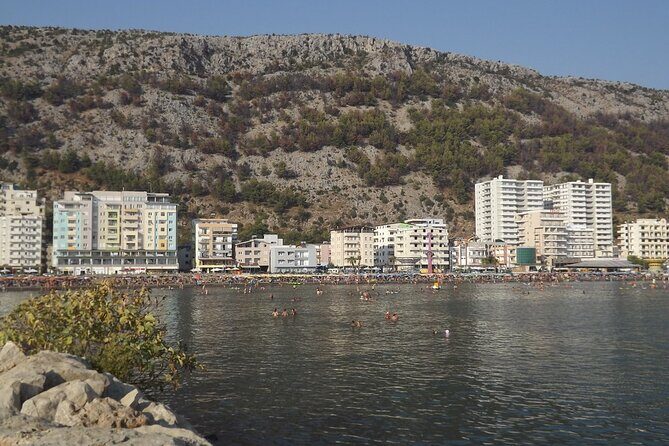
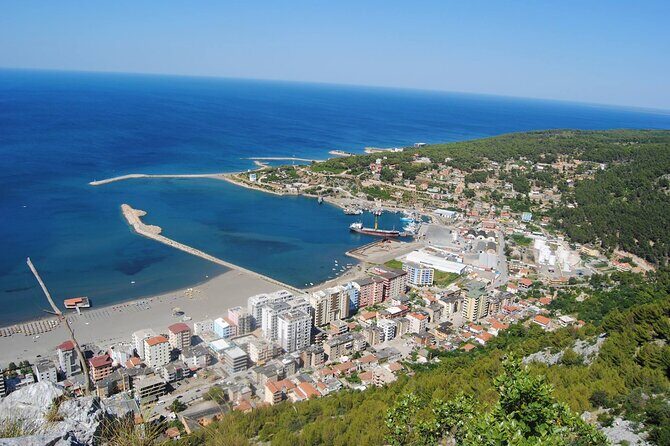
Then the day shifts to the coast—Shengjin Beach on the Adriatic. This is where you stop thinking in ruins and start thinking in towels. The beach time is about two hours and the admission is free.
The star extra here is Rana e Hedhun, the rolling sand dunes that meet the sea. It’s the kind of place where the shoreline looks natural in a slightly wild way—more texture, more movement, less “perfect resort” uniformity. Even if you don’t climb far into the dunes, walking a bit along the edge gives you that out-on-the-water feeling.
And yes, swimming is part of the experience. If you can, bring a swimsuit and get in early. The group schedule often leaves enough time to enjoy the water without feeling rushed.
Lezha Castle can be an optional add-on if there’s time. It’s not always guaranteed, so if castle views are your top priority, keep an eye on the guide’s timing once you’re near the coast.
Guide quality is the difference on a long day
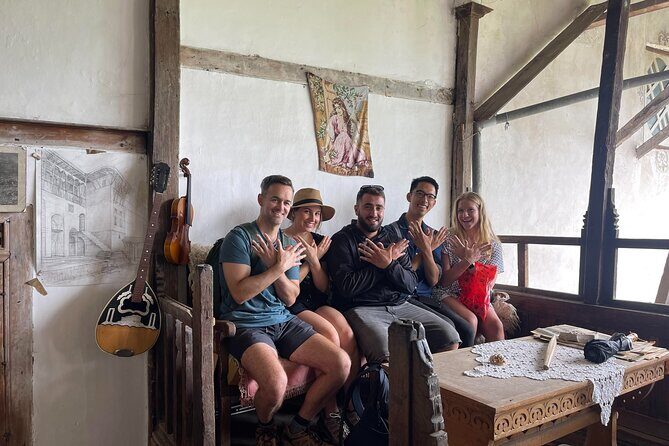
This tour lives or dies by pacing and storytelling. The guides tied to this experience have been praised for exactly that: keeping things smooth, answering questions, and adjusting when weather turns.
For example, when Shkodra saw torrential rain, guides like Adi reportedly went out of his way to keep the day enjoyable, including time for lunch by the lake (with a local carp casserole as a noted favorite). Another guide, Idrit, was highlighted for confirming pickup time the night before and for being flexible with how long the group spent at each stop.
Other names that show up in guide feedback include Skerdi and Ardi. The common theme: you get a guide who doesn’t just rattle facts. You get someone who helps you make sense of what you’re looking at and handles curveballs so you’re not stuck disappointed.
If you want your day to feel personal even in a group, this setup is a good match.
Price and value: what $84.11 buys you in real time
At $84.11 per person, this isn’t a cheap add-on—especially because two major indoor/outdoor paid stops aren’t included. Still, it can be good value because you’re paying for the “glue” that makes the day work:
- pickup and drop-off from Tirana (so you don’t organize multiple legs),
- guided transitions between a set of meaningful sites,
- a small group size that helps the day feel less chaotic.
Where the price gets better is the combination effect. You’re not choosing between culture and sea. You’re getting both in one long day, and Shkodra alone can take you a while to piece together on your own.
Where the price may feel tighter is if Rozafa Castle and Marubi Museum tickets push your budget. Plan for it, and you won’t feel any surprise.
My practical take: if you like structured touring but still want time to breathe, this price-to-experience ratio usually holds up.
Logistics that matter: time, tickets, and what to pack
This is a full-day experience, so pack like you’re outside for most of the day. Bring:
- comfortable walking shoes for castle steps and museum floors,
- a light rain layer (northern Albania can switch weather fast),
- a swimsuit and quick-dry towel for Shengjin,
- something respectful for mosque time (or at least clothing you can wear indoors comfortably),
- water and a snack for the gaps—especially if you get hungry between stops.
Ticket awareness is the one planning item you can’t ignore. Some stops have admission free, while Rozafa Castle and Marubi Museum require tickets separately. If you hate last-minute ticket hunts, make sure you keep enough time and mental space for that part of the day.
Also, the experience uses mobile tickets, which is a small but real convenience for a group day.
Who should book this Shkodra + Shengjin day trip?
Book it if you want:
- a strong intro to northern Albania without juggling buses,
- Shkodra’s mix of religion, architecture, and storytelling,
- a beach wind-down with real swim time,
- a guide-led day that stays flexible rather than rigid.
You might skip it if:
- you prefer slower travel with fewer transfers,
- you’re only interested in one site type (like only museums or only beach),
- you don’t want to pay separate admissions for Rozafa Castle and Marubi.
Should you book this tour from Tirana?
Yes, if you want one day that connects Shkodra’s cultural layers to a relaxing finish at the Adriatic. The small group size, pickup convenience, and the chance to swim at Shengjin make it feel practical, not just scenic.
If you’re the type who plans budgets carefully, just factor in that Rozafa Castle and Marubi Museum admissions aren’t included. Once you do that, the day reads like a smart package: culture in the morning, viewpoints in the afternoon, sea time at the end.
FAQ
How long is the Shkodra and Shengjin tour from Tirana?
The tour runs about 10 to 12 hours.
What does the tour cost?
The price is $84.11 per person.
Do you get pickup from Tirana?
Yes, pickup is offered, and you’re also dropped back after the tour.
How big is the group?
The group has a maximum of 15 travelers.
Is admission free for all the stops?
Not all stops are free. Some stops list admission ticket free, while others require separate tickets.
Are Rozafa Castle and the Marubi National Museum included?
Rozafa Castle and Marubi National Museum of Photography have admission tickets not included.
Can I swim at Shengjin Beach?
Yes. The experience includes swimming in the Adriatic Sea at Shengjin.
What is the cancellation policy?
You can cancel for a full refund up to 24 hours before the experience starts. After that window, the amount paid is not refunded.