REVIEW · TIRANA
Private Day Tour of Berat and Durres from Tirana
Book on Viator →Operated by Go as Local · Bookable on Viator
Berat feels like time travel in one day. You’ll ride south in an air-conditioned vehicle with an English-speaking guide, then wander through Berat Castle and the streets that shaped daily life for centuries. I especially like how the tour pairs major sights with smaller moments, like Byzantine church art and the Ottoman-style quarters that still show their scars from an earthquake.
English-speaking guide is the other big win: you’ll get help reading what you’re seeing, plus practical tips for where to eat and what to look for in shops.
One drawback to weigh: it’s a long day. Plan on 6 to 8 hours of driving and walking, and Durres is treated as a shorter stop—so if you’re chasing only the biggest religious-and-castle scenes, you may find the Durrës portion a bit quick.
In This Review
- Key things I’d circle before you go
- Riding from Tirana: what the 9:00am start really means
- Berat City Tours: starting with the context you’ll need
- Berat Castle: the hilltop fortress where community lived for centuries
- Onufri Iconographic Museum: Byzantine art in the Dormitory of St Mary
- Mangalem: Ottoman-style streets shaped after an earthquake
- Gorica Bridge: a merchant quarter split by the Osum River
- Durrës and the Roman Amphitheatre: big scale in a short time
- Price and included tickets: is $144.17 good value?
- Food and shopping: how to use your guide the right way
- Weather, pace, and who this tour suits best
- Should you book this Berat and Durrës day trip?
- FAQ
- What time does the tour start?
- Does this tour include hotel pickup and drop-off?
- How long is the tour?
- Is the tour private?
- What language is the guide?
- Are entry tickets included?
- Is lunch included?
- Can I cancel for free?
- Is wine tasting included?
Key things I’d circle before you go
- A true private format: it’s only your group, with pickup and drop-off in Tirana
- Berat Castle + Onufri icons: hilltop views plus religious art inside a Greek Orthodox monastery
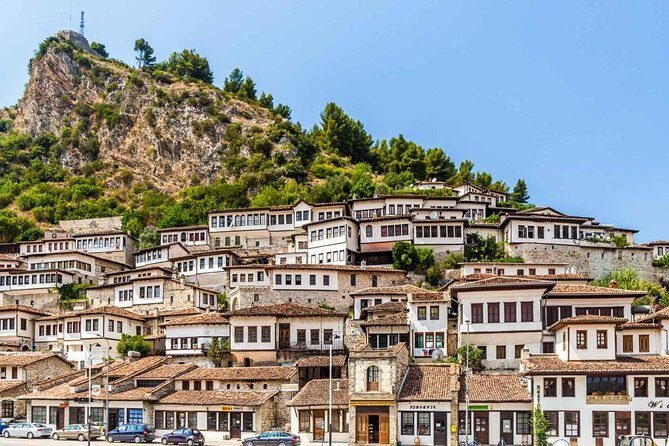
- Stops designed for variety: Ottoman quarters (Mangalem), a merchant quarter (Gorica), and a Roman monument in Durrës
- Entry tickets are handled for you: included where specified, with most main sites covered
- Long-drive patience helps: you’ll spend a fair chunk of the day on the road
Riding from Tirana: what the 9:00am start really means
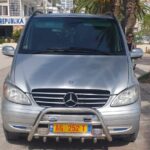
This tour starts at 9:00am in Tirana, with hotel pickup arranged from where you’re staying. You’ll head south in a private air-conditioned vehicle, which matters in Albania because the road time adds up fast when you’re trying to see two cities in one day.
The total day runs about 6 to 8 hours, so you’re not just doing a “quick photo stop.” You’re doing a full circuit: orientation in Berat, a major hilltop visit, a museum stop, then a shorter Durrës visit before heading back. That’s why this works best when you like structured sightseeing but still want your guide to explain what things meant, not just point and move on.
Also, you’ll have an English-speaking guide throughout. That’s not a small detail here—Berat’s architecture has layers (Orthodox, Byzantine, Ottoman, and older foundations), and having someone explain the logic saves you from guessing.
Other Berat UNESCO and castle tours we've reviewed in Tirana
Berat City Tours: starting with the context you’ll need
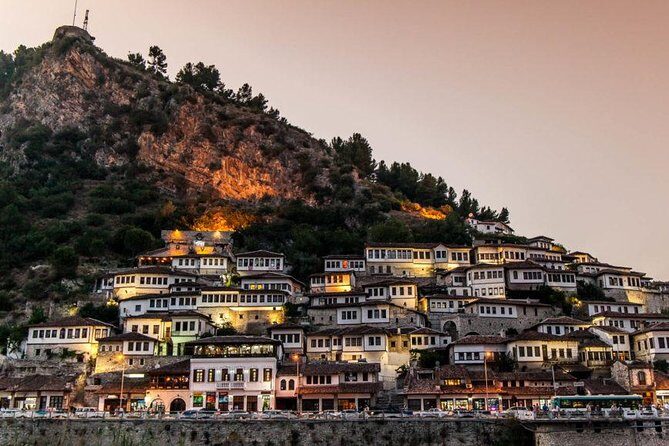
Leaving Tirana, you’ll drive roughly two hours toward southern Albania through low, productive agricultural terrain. The point of this first stretch isn’t just getting there—it’s that Berat makes more sense once you understand you’re entering a region where cities grew alongside farming and trade.
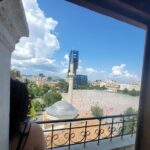
Then you’ll do Berat City Tours for about two hours, with an admission ticket included. This is where I’d expect you to get the “road map” for the day: where the viewpoints are, how the river splits neighborhoods, and how the castle area connects to the lower Ottoman districts. Even if you’re the kind of person who usually ignores museum labels, this kind of city walkthrough pays off later when you’re looking up at the fortress and noticing the pattern of churches and streets.
If you like photos, this part helps you get your bearings fast. If you’re less into walking, you’ll still want to use this window to ask questions about what you’re seeing, because the hilltop and museum stops work best once you understand the story behind them.
Berat Castle: the hilltop fortress where community lived for centuries
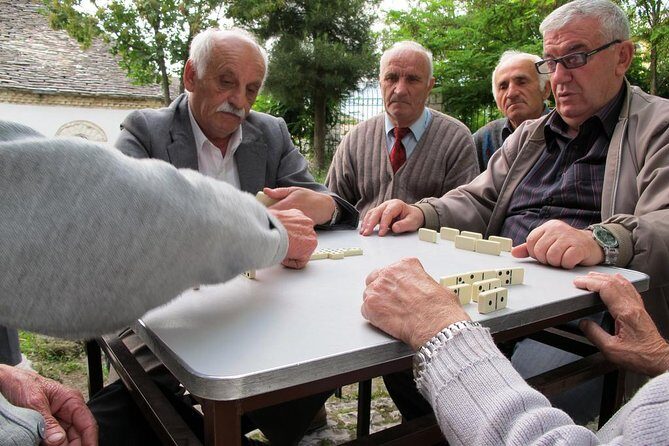
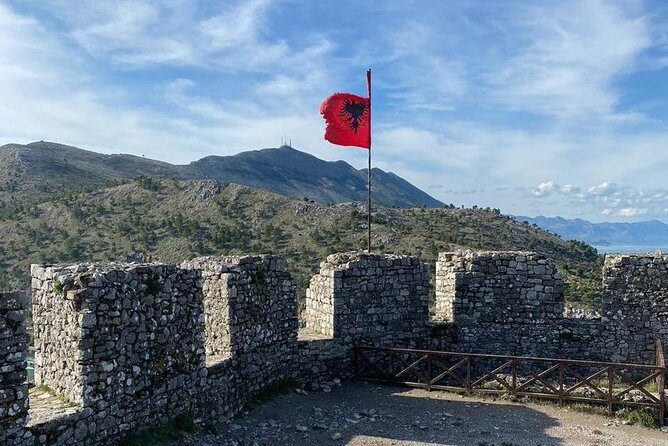
Berat Castle is the big reason many people choose this day trip. The tour explains that the castle of Berat—and the castle of Elbasan—are among the only historical sites where life has continued for at least the last two centuries. That continuity shows in the layout and in the feel of the neighborhood.
You’ll climb into a space that sits at the top of a hill and is naturally protected on three sides by steep terrain. Inside, the population has lived there for centuries, building something close to a long-running community rather than a staged tourist zone. The castle area also has a major Orthodox presence and many charming Byzantine churches, so you’re not only looking at views—you’re looking at religious and architectural identity.
The tour notes the heavy stone foundations reach back to Antiquity times, when the city reportedly bloomed under the name Antipatrea. Even if you’re not a hardcore ancient-history person, keep an eye out for how the older stonework and later religious buildings share space.
Practical note: expect stairs and uneven ground. Comfortable shoes matter more here than in most cities.
Onufri Iconographic Museum: Byzantine art in the Dormitory of St Mary
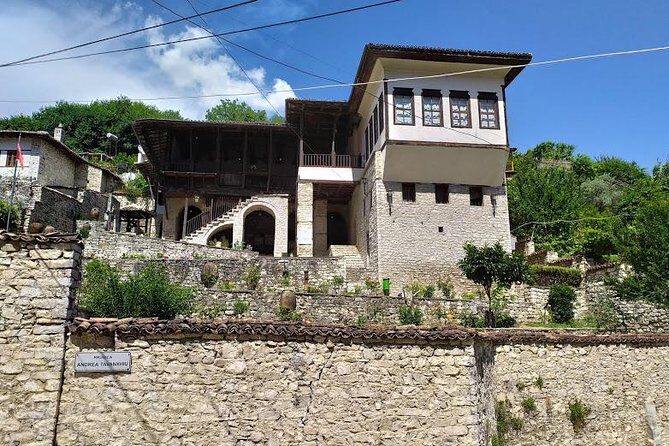
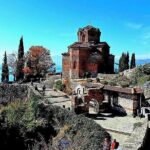
Next is the National Iconographic Museum Onufri, located inside a Greek Orthodox monastery called the Dormitory of St Mary. This stop lasts about 30 minutes and includes admission.
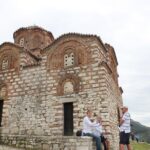
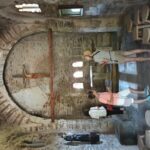
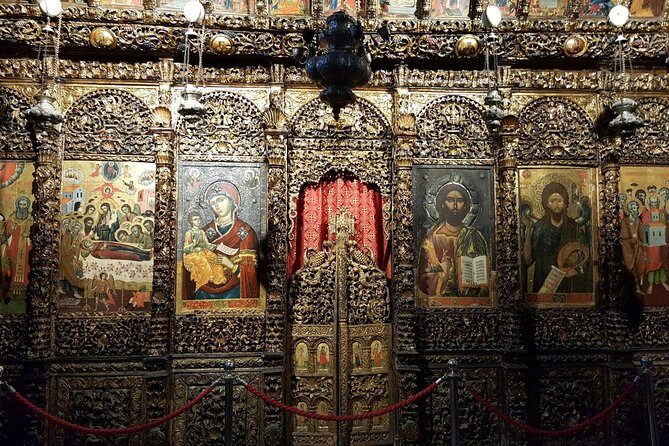
What makes it special is that you’re not just seeing paintings in a modern room. The church itself is described as a classic Byzantine, dual cross shape church with two domes, and it’s considered one of the best-preserved churches in Albania. You’ll likely notice the iconostasis and the paintings in the nave—the tour’s description even points to a decorative rosette above the main dome.
The museum collection focuses mainly on paintings from Onufri and the artistic legacy around him, plus work by an anonymous painter from the same period. The underlying idea is that Berat didn’t just build churches—it supported artists and preserved religious culture at a high level.
If icons are your thing, this is a smart “short stop with heavy payoff” moment. If you’re new to religious art, ask your guide what details to look for. You’ll get more out of it than by walking through quietly.
Mangalem: Ottoman-style streets shaped after an earthquake
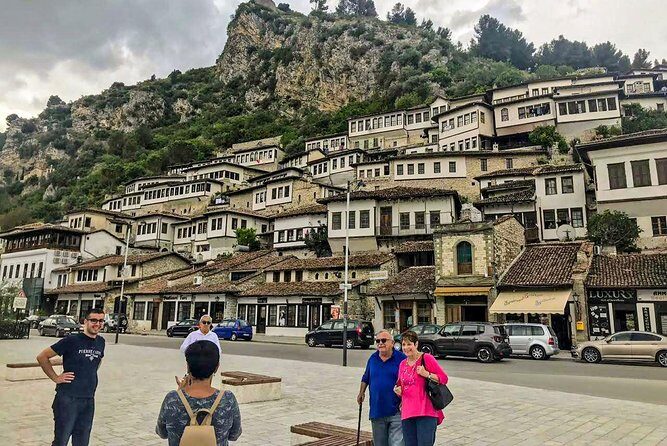
After the museum, the tour shifts down into Mangalem. This is a shorter stop (about 20 minutes), and admission is free.
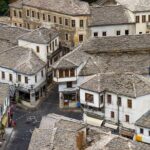
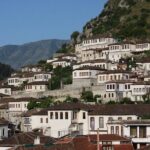
Mangalem is presented as a neighborhood that grew as Berat rebounded and expanded, especially from the 13th century onward. The tour explains that dwellings expanded outside the castle as population increased. It also notes that the current shape of Mangalem was definitely influenced after an earthquake damaged parts of the city.
That earthquake-driven rebuilding is the key: the style changes from heavy tower-like forms with small windows and stone-heavy mass to lighter structures with more windows. In plain terms, you’re seeing how a community rebuilt its identity after disaster, then carried Ottoman-era design into everyday life.
What I like about this stop is that it feels like a walk through “how people actually lived,” not only how they prayed. If you take a minute to look at windows, spacing, and facade rhythm, the architecture explains itself.
Other Durres tours we've reviewed near Tirana

Gorica Bridge: a merchant quarter split by the Osum River
From Mangalem, the tour continues to Gorica Bridge for about 15 minutes, with admission included.
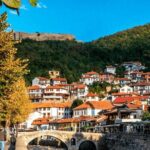
Here the story becomes about trade and settlement. Berat is described as an important Albanian city in the 17th and 18th centuries that drew citizens from across the country. Gorica is said to have been created mainly as a merchant quarter, including people connected to Voskopoja in southeastern Albania.
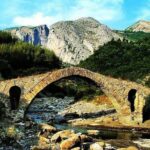
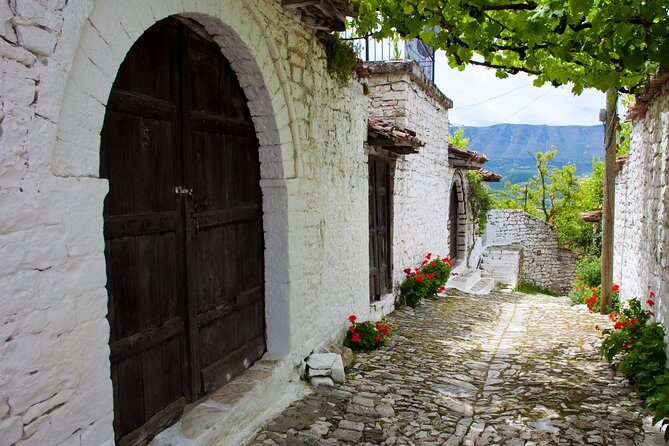
The tour highlights the visual continuity: the white color of the city and the style are preserved. You get what feels like two similar “faces” on opposite sides of the Osum River, connected through the Stone Bridge of Gorica.
This is a quick stop, but it’s a useful one because it ties everything together. You’ve seen the castle above—now you’re seeing how the economic life sat below it, across the river, connected by stone and foot traffic.
If you want photos, this is often the part where you can get the classic angles, but don’t rush. Spend 5 extra minutes and let your guide point out which side is which and why the bridge mattered.
Durrës and the Roman Amphitheatre: big scale in a short time
Then it’s off to Durrës, the ancient port city that the tour describes as one of the most important Albanian cities until Tirana became the capital in 1920. Durrës dates to antiquity as a Mediterranean port and, for the Romans, a major station on the Via Egnatia merchant road.
The highlight is the Roman amphitheatre, described as seating around 20,000 people. Admission at this stop is free, and your time here is about 30 minutes.
Here’s the balanced take: Durrës is undeniably important, but in a day trip like this, it’s treated as a shorter stop. That can be a plus if you want one standout Roman ruin and you’d rather save more time for Berat’s hilltop and religious sites. If you wanted a slower, deeper walk through Durrës, this tour format may feel like you’re touching the surface.
Still, the amphitheatre gives you a different time period than Berat’s Byzantine and Ottoman layers. It’s a good contrast, especially if you came to Albania hoping to see multiple identities in one day.
Price and included tickets: is $144.17 good value?
At $144.17 per person, this tour isn’t the cheapest way to do Albania, but it’s also not trying to be “budget.” For that price, you get private air-conditioned transport, hotel pickup and drop-off, an English-speaking professional guide, and entry tickets included where specified.
That combination is the real value. You’re paying for logistics—two cities in one day with a guided route—plus access to key sites without you hunting for ticket lines on your own.
What isn’t included is also clear: lunch, personal spending and souvenirs, and wine tasting. So you’ll want to plan on buying your own meal, and that means your guide’s advice becomes practical. On one day, a good lunch choice can make the whole experience feel more satisfying, because you’ll be tired from the drive and climbs.
If you’re traveling as a couple or small group, private transport plus included admissions can feel like better value than trying to stitch together a DIY route plus multiple tickets plus guide time.
Food and shopping: how to use your guide the right way
This tour includes something that sounds small until you’re hungry: your guide gives personalized recommendations for eating and shopping.
Because lunch isn’t included, you’ll want to treat this as part of the itinerary, not an afterthought. Ask your guide for a place with a view if that matters to you, or ask for a traditional option that won’t waste time getting there. When a guide is comfortable with timing, they can suggest a spot that fits the pace of the day rather than sending you somewhere that sounds great but is inconvenient.
For shopping, the best move is to ask what locals actually buy or what’s worth taking home from Berat and Durrës. Your guide can point you toward meaningful items rather than random souvenirs. Even if you only buy one thing, you’ll feel better about it.
This is also the moment to ask direct questions: How old is the neighborhood you’re standing in? Why does the architecture change here? What should you notice on the next street? A good answer makes your photos look smarter later.
Weather, pace, and who this tour suits best
The tour requires good weather. That matters because Berat’s hilltop castle area and church interiors work best when conditions are stable. If weather turns, you may be offered a different date or a full refund, so you’re not stuck with a ruined plan.
In terms of pace, this is a “see a lot” day. If you love history and can handle a long day, you’ll likely enjoy the flow: city context, castle, museum art, Ottoman neighborhoods, then the Roman amphitheatre.
This tour fits well if you:
- want Berat Castle and the icon art of Onufri in one outing
- like walking short stretches with an explanation
- prefer private comfort over rushing on public transport
It may be less ideal if you:
- want an unhurried day in just one city
- dislike stairs and uneven stone paths
- feel disappointed by the shorter Durrës time window
Should you book this Berat and Durrës day trip?
If your Albania plan has limited days, this booking makes a lot of sense. You’ll see two major identities in one sweep: Berat’s Orthodox and Ottoman layers on a hilltop community, then Durrës’ Roman scale through a huge amphitheatre. Plus, the logistics are handled—hotel pickup, air-conditioned transport, a guide who can explain what you’re looking at, and entry tickets already taken care of.
I’d especially recommend it if you value interpretation over just sightseeing. Berat is one of those places where the details only click when someone points them out.
If you’re mainly a Berat person, go ahead—just know that Durrës gets less time here. If you’re a Roman sites-only type, you might want to plan extra time in Durrës separately.
Either way, $144.17 can feel fair when you’re buying time, transportation, and access in one package.
FAQ
What time does the tour start?
It starts at 9:00am.
Does this tour include hotel pickup and drop-off?
Yes. Pickup and drop-off in Tirana are included.
How long is the tour?
It’s listed as about 6 to 8 hours.
Is the tour private?
Yes. It’s private, so only your group participates.
What language is the guide?
The tour is offered in English.
Are entry tickets included?
Entry tickets are included as part of the tour, and some stops are specifically noted as free.
Is lunch included?
No. Lunch is not included.
Can I cancel for free?
Yes. Free cancellation is offered, and you can cancel up to 24 hours in advance for a full refund.
Is wine tasting included?
No. Wine tasting is not included.