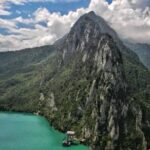
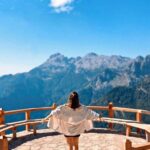
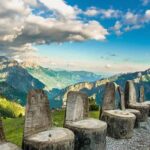
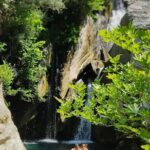
Albania moves fast, in the best way. This small-group private route strings together Tirana, Krujë, Durrës, Shkodër, Berat, Vlora, Gjirokastër, Ksamil, and the Vjosa River region, with pickup and drop-off built in. You also get a real local guide team—Ari and Valentina are repeatedly described as friendly and genuinely proud of Albania.
I like that the plan is flexible inside the day. You’re not just herded between bus stops; you’re given time to walk key areas like old bazaar streets and castle viewpoints, then you can ask questions and set your pace. Another plus is the included comfort stuff: bottled water, soft drinks, snacks, and fruits help when you’re moving from one town to the next.
One consideration: the schedule is busy. Even though it’s paced with walking windows, you’re still covering a lot of ground, and the tour requires good weather, especially for viewpoints and coastal stops. If you want slow mornings and long free afternoons, you may need to add extra solo time in each place.
In This Review
- Key highlights worth planning for
- A small-group Albania route with built-in transfers
- Price and value: what you’re really paying for ($204.25 pp)
- Days 1–2: Krujë, Durrës, Shkodër, and Lezhë’s green break
- Day 1: Krujë old bazaar, Durrës sea city, then Tirana orientation
- Day 2: Rozafa views, Shkodër city life, and Mrizi i Zanave
- Days 3–4: Berat’s hilltop castle and the sea-mountain switch at Llogara
- Day 3: Durrës again, then Berat for castle views and cobblestone streets
- Day 4: Vlora independence story, Zvërnec monastery, then Llogara National Park
- Days 5–6: Blue Eye’s spring water, Gjirokastër’s UNESCO vibe, Ksamil beach time
- Day 5: Blue Eye natural monument, then Gjirokastër and the Ionian coast
- Day 6: Korçë beer city, Voskopoja food stops, and Pogradec lake breaks
- Days 7–8: Këlcyrë canyons and thermal baths, then Llogara, Vlora, and Borsh
- Day 7: Gjirokastër again, then Këlcyrë canyons and Bënjë thermal baths
- Day 8: Llogara return, Zvërnec monastery, and Albanian Riviera coast at Borsh
- Days 9–10: More Blue Eye and Gjirokastër time, plus Lëkursi and Kelcyre
- Day 9: Blue Eye again, Gjirokastër castle focus, Ksamil beach
- Day 10: Final Blue Eye, Berat-area feel through Gjirokastër, then Bënjë and Kelcyre
- What your guide experience feels like in real life
- When this Albania tour is the best fit
- Should you book this Albania highlights route?
- FAQ
- How long is the tour?
- What cities are pickup and drop-off included for?
- Is this tour private?
- Are meals included?
- Are entry tickets included?
- What language is the guide?
- Is bottled water and food provided during the drive?
- How many people can join at most?
- What is the cancellation policy?
Key highlights worth planning for
- Max 4 travelers means the guide can slow down or speed up with you.
- Included transfers from Tirana and Sarandë keep the start and end simple.
- Ari and Valentina are noted for warmth and love of Albania, which makes the explanations feel human.
- Many sites list free admission, so your day-to-day costs stay controlled.
- Blue Eye and Berat Castle have tickets marked as included on the appropriate days.
- Vjosa-focused days (Këlcyrë and Kelcyre) swap standard sightseeing for canyon-and-river views.
A small-group Albania route with built-in transfers
This is the kind of trip that makes Albania feel organized without feeling stiff. The big advantage is that you’re working with private transportation and a private local guide, capped at up to 4 people. That small cap matters. It usually means fewer crowd problems, less waiting, and better chances to ask the questions you actually care about—food, daily life, Ottoman-era details, and why certain towns feel the way they do.
Also, transfers are part of the deal. You can be picked up from your hotel in Tirana, and the itinerary includes transfers from Sarandë as well. If your hotel is outside Tirana or Sarandë, there can be an extra transport charge. That’s normal for Albania routes that cross the country, but it’s worth checking before you commit.
One more helpful detail: the experience is offered in English, and you get a mobile ticket. In real life, that just cuts down on paperwork and keeps you focused on the sights.
Other multi-day Albania tours from Tirana
Price and value: what you’re really paying for ($204.25 pp)
At $204.25 per person, it can feel surprisingly manageable for a private, multi-day plan—especially when compared to the real cost of getting a guide and car stitched together across several regions. Here’s where the value shows up:
You’re paying for more than someone driving you. You’re getting:
- All fees and taxes
- Private transportation
- Private local guide
- Bottled water, soft drinks, snacks, and fruits
- Pickup and drop-off (with the Tirana/Sarandë coverage noted above)
Many stops list admission as free, and a couple specific attractions have admission marked as included (notably Berat Castle and the Blue Eye). Even when entry is free, you’re still paying for the on-the-ground time with a guide and a car that saves hours.
What’s not included? Personal expenses, and traditional lunch is optional and extra. So you can keep costs lower if you skip the add-ons—or lean in when there’s a chance to eat with a local family style.
My practical advice: treat this as a value-first structure. Use the base plan to get oriented and see the big regional highlights. Then, if you fall in love with a place—Berat, Gjirokastër, the Ionian coast—you can add a couple extra nights on your own. This itinerary is built to give you direction.
Days 1–2: Krujë, Durrës, Shkodër, and Lezhë’s green break
The early days are about rhythm: history-lite explanations, walking time, and quick visual payoffs.
Day 1: Krujë old bazaar, Durrës sea city, then Tirana orientation
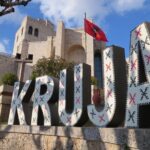
Krujë is the first stop, about 20–30 minutes from Tirana airport. You’ll walk through the city and visit the Old Bazaar, where traditional handmade souvenirs are sold. The useful part here isn’t just shopping—it’s understanding how the bazaar fits into everyday Albanian life. When you see stalls with local-made items, you start to recognize the culture beyond the photos.
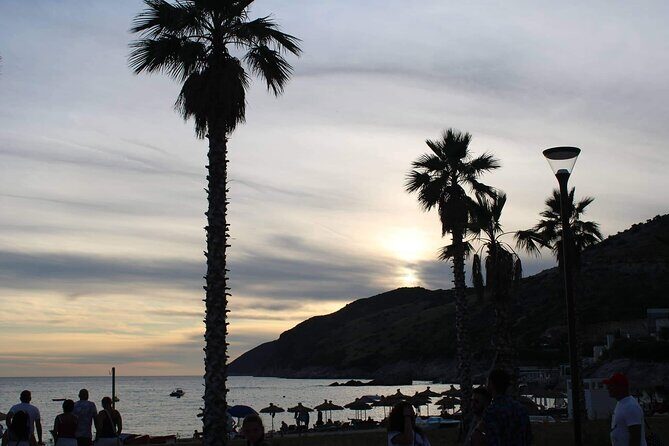
Next is Durrës, once a previous capital city about a hundred years ago. A lot hasn’t survived, but the city walk and sea-facing views do. This is a good warm-up day: you’re not trying to study ruins for hours. You’re getting your bearings and your sense of coastal Albania.
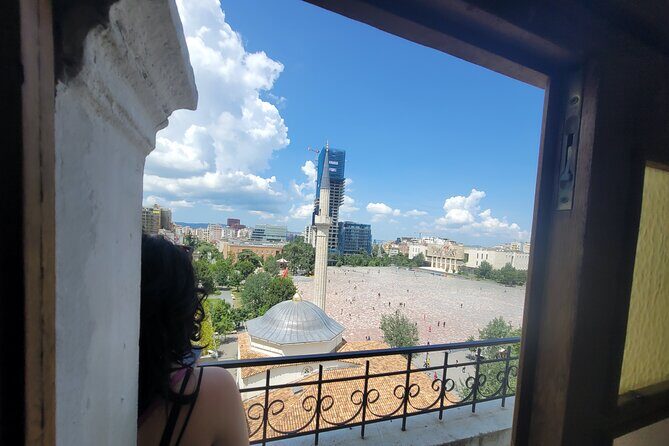
Then you end in Tirana around the Skanderbeg Square, Toptani Castle, and the Artificial Lake. It’s a compact orientation that helps you understand the city’s layout fast.
Day 2: Rozafa views, Shkodër city life, and Mrizi i Zanave
Shkodër comes next. The big highlight is the Castle of Rozafa, plus the Shkodër Lake and a Shkodër city walk. The castle viewpoint is the kind of stop that makes sense after you’ve already seen some city centers—suddenly you understand why people built high.
After that, you stop in Lezhë at Mrizi i Zanave (green tourism). You get a shorter break here, about 50 minutes. That makes it feel like a palate cleanser between longer town walks.
Finally, you loop back to Krujë for the national-hero connection. You’ll cover the old city again, including the Ottoman market and the castle. Yes, it’s repeat time. But there’s a difference between bazaar time and castle time. One tells you what people buy and sell; the other tells you why they built where they built.
A few more Tirana tours and experiences worth a look
Days 3–4: Berat’s hilltop castle and the sea-mountain switch at Llogara
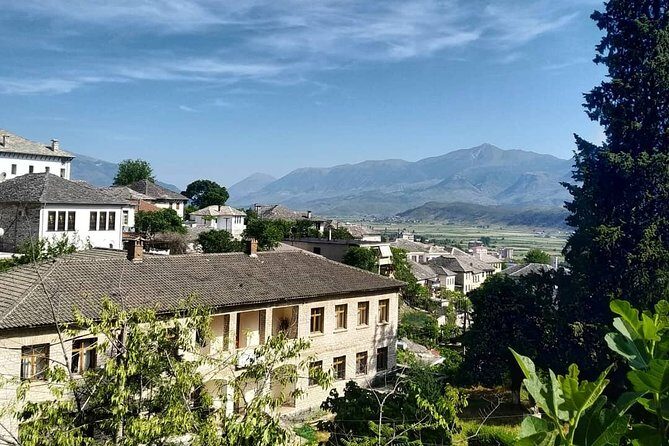
These days help you understand Albania’s biggest trick: in one country, you can go from hilltop fortresses to seaside views without it feeling like a different planet.
Day 3: Durrës again, then Berat for castle views and cobblestone streets
You return to Durrës briefly for another walk and viewpoint. It’s a “second look” day, which is helpful because first impressions can miss details—especially with coastal light and street layout.
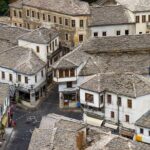
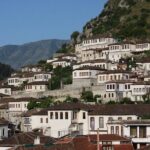
Then you reach Berat Castle, and this part is a major payoff. Berat is often called the city of One Thousand Windows, and walking it with a guide helps you see the architecture as lived space, not just scenery. The cobblestone streets and stacked houses make the “above each other” feel real—like the city grew in layers.
You also get included Berat Castle admission on this day. After the castle, you move to downtown and visit the stone city atmosphere again. The day includes time for food and raki, which is a big part of what makes Berat feel welcoming rather than just impressive.
Day 4: Vlora independence story, Zvërnec monastery, then Llogara National Park
Vlora is next, the city of independence where the flag was raised by Ismail Qemali when he was the first prime minister. That context adds weight to the stop. You’re not just sightseeing; you’re placing Albania’s modern story into a real location.
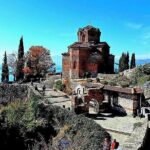
Then you visit St. Mary’s Monastery at Zvërnec. It’s short, but it gives you that “coast with spiritual architecture” feel.
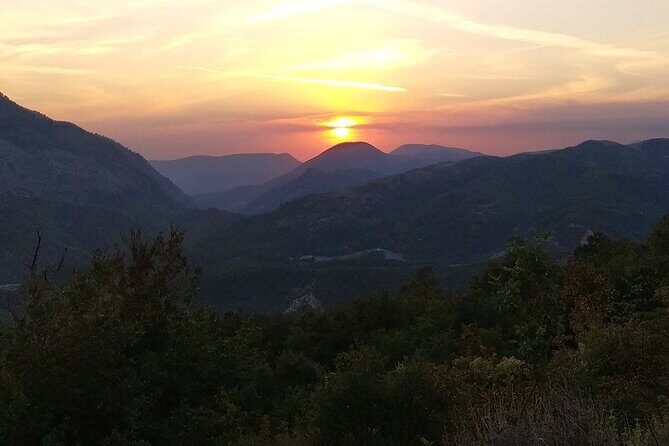
Finally, you reach Llogara National Park and Llogara Valley. This is one of those places where you’re looking at both mountains and the sea at the same time. The value here is not only the view—it’s the contrast. It’s how you learn what Albania’s coastline feels like when it meets higher ground.
Days 5–6: Blue Eye’s spring water, Gjirokastër’s UNESCO vibe, Ksamil beach time
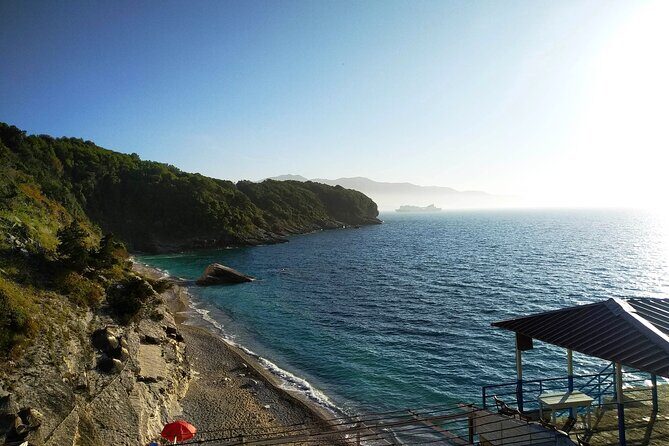
This is the stretch where Albania turns into postcard territory—but with enough structure that it stays fun, not chaotic.
Day 5: Blue Eye natural monument, then Gjirokastër and the Ionian coast
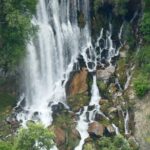
You start with the Blue Eye, a natural water monument where crystal water comes up from underground springs. The plan notes there are around 18 springs in the zone, and Blue Eye is the most attractive. The water is the headline, but the practical win is that you get a defined stop time rather than wandering endlessly.
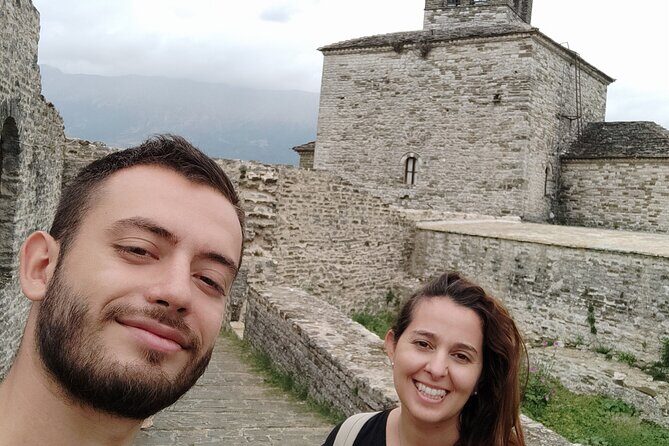
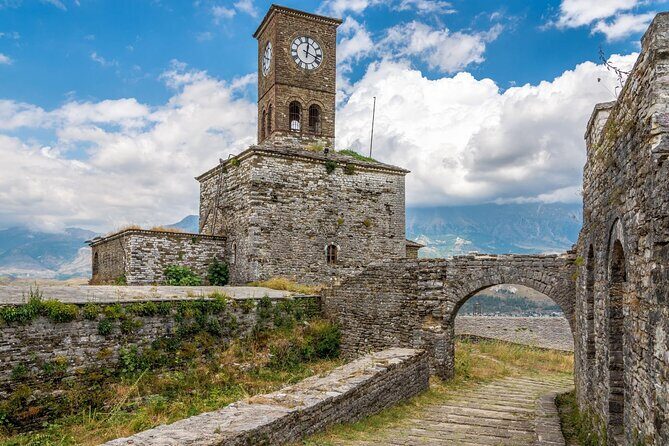
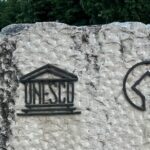
Next is Gjirokastër, the city of One Thousand Stairs. You’ll visit the Argjiro Castle, the Old Bazaar, the museum, and the Skenduli house. That mix matters: castle + bazaar gives you power and trade, museum and house give you domestic life and style.
You also get a chance for a traditional lunch with a local family in Gjirokastër. That’s marked as free in the stop description, but the package notes say traditional lunch is optional and extra. So treat lunch as an add-on option when you’re booking or deciding on the day.
Then you head toward Ksamil, described as the Ionian pearl area, and you finish the day in Sarandë with time for Lekursi castle and the city.
Day 6: Korçë beer city, Voskopoja food stops, and Pogradec lake breaks
This day shifts east into Korcë. You’ll pass by Permeti and see landscapes along the Vjosa River. Korçë is described as traditional, and there’s a special nod to beer—Korçë beer is presented as a favorite. You’ll visit the cathedral and the Old Bazaar, which are the two easiest ways to understand a town’s identity quickly.
Then comes Voskopoja, a nearby place noted for traditional food and homemade drinks. The point isn’t only tasting; it’s seeing how local food culture becomes a mini tourism language by itself.
Finally, you reach Pogradec, with a stop at Drilon National Park and Tushemisht village. It’s a shorter segment, so think of it as a scenic pause rather than a deep study day.
Days 7–8: Këlcyrë canyons and thermal baths, then Llogara, Vlora, and Borsh
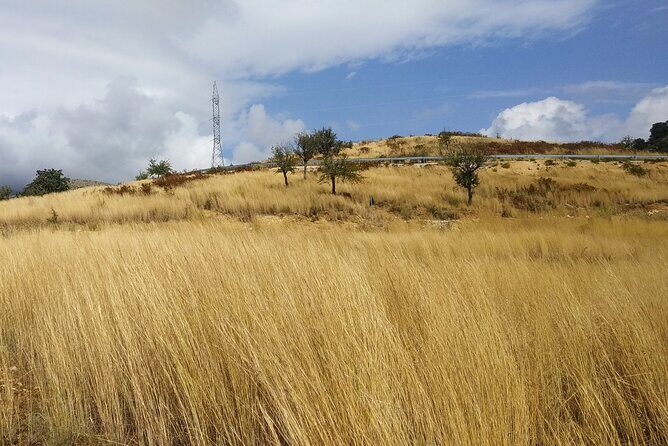
Now you get the mix of nature and slow comfort. This is where the trip starts feeling more like a journey than a checklist.
Day 7: Gjirokastër again, then Këlcyrë canyons and Bënjë thermal baths
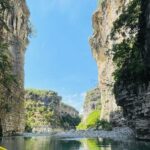
You return to Gjirokastër with a longer block of time labeled as an UNESCO heritage site stop. That’s useful if you want to revisit viewpoints and streets when the light changes. You’ll then go to Këlcyrë, with Vjosa River and canyons views.
The big relaxing payoff is Bënjë Thermal Baths. Two hours can sound short, but for many people, it’s the day’s mental reset. You’re tired from road time. Warm water is the simplest way to recharge without adding more walking.
Day 8: Llogara return, Zvërnec monastery, and Albanian Riviera coast at Borsh
You start again in Llogara National Park, then return to Vlora with time for the monastery of Zvërnec. After that you go to Borsh on the Albanian Riviera and enjoy the coastal nature feel, then finish with another St. Mary’s Monastery stop.
If you’re wondering why so many coastal-area overlaps: it’s not an accident. Albania’s geography is long and curvy. Seeing it from more than one viewpoint helps you connect the dots between towns.
Days 9–10: More Blue Eye and Gjirokastër time, plus Lëkursi and Kelcyre
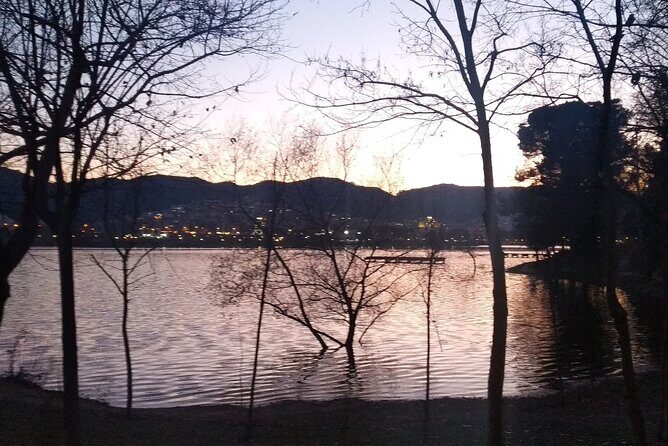
These last days are about closing loops: revisiting top natural attractions and tightening the story of regional history.
Day 9: Blue Eye again, Gjirokastër castle focus, Ksamil beach
You go back to Blue Eye for a shorter visit. Then you return to Gjirokastër for castle, Ottoman bazaar, and a 3+ hour focus window.
You also stop at Lëkursi (Ottoman castle) and then wrap with Ksamil Beach and a look at the Ksamil islands. This is your beach-and-water day to end on a lighter note.
Day 10: Final Blue Eye, Berat-area feel through Gjirokastër, then Bënjë and Kelcyre
You repeat Blue Eye once more with ticket marked as included. Then you return to Gjirokastër for castle, museum and Ottoman market, with a long time block.
After that it’s Bënjë Thermal Baths again for relaxation, followed by a final short stop in Kelcyre for Vjosa River and canyons.
Here’s the practical takeaway: if you don’t love repeating stops, this itinerary may test you. But if you like getting enough time to actually absorb places—especially when distances and schedules are involved—the repeat structure can help you catch the best light and the best moments without feeling rushed.
What your guide experience feels like in real life
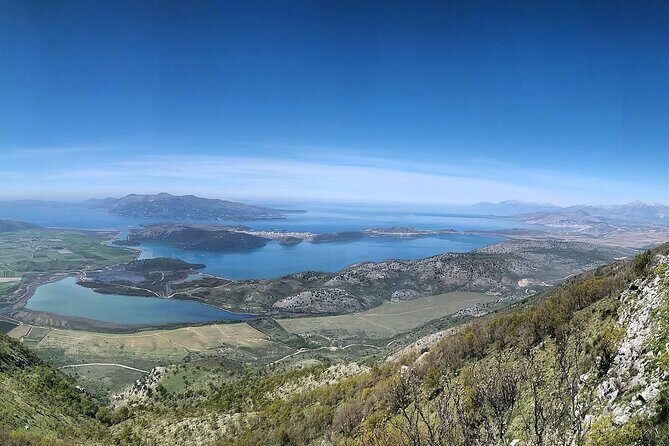
A private guide does more than name buildings. The value is how the explanations connect.
With guides like Ari and Valentina (friendly, proud of Albania, and known for warm energy), you’re more likely to understand the why behind the what:
- Why bazaar areas feel like community hubs, not just souvenir rows
- Why castles are placed where they are: visibility, defense, and control of routes
- How Ottoman-era architecture shows up in everyday street rhythm
- Why the Vjosa region feels different from the coast, even within the same country trip
And because you’re a small group, it’s easier to adjust when something catches your attention. If you want to linger near a viewpoint, you’re not competing with a big crowd flow.
When this Albania tour is the best fit
This plan is best if you want:
- A private experience without traveling solo
- A route that spans coast, old towns, castles, and thermal baths
- English guidance and built-in support like snacks, fruits, and drinks
- Lots of stops that are scheduled, timed, and guided so you waste less time figuring things out
It’s not ideal if you want:
- Long self-directed free time in each place
- A slow travel pace with minimal driving
- A purely coastal-only or purely nature-only itinerary
Should you book this Albania highlights route?
I’d book it if you want to see Albania in one structured sweep and you like the idea of small-group private touring with a guide team you can connect with. The included transportation plus the snacks and water make it smoother than doing the same route with lots of independent logistics.
Before you commit, check two things: your preferred pace and your timing. The itinerary is packed, and it asks for good weather to make viewpoints and outdoor stops work well. If your travel dates are uncertain, choose flexibility in your plan.
If you’re ready for a guided, multi-region sampler that still leaves room for personal questions, this is a strong way to start—or restart—Albania.
FAQ
How long is the tour?
The duration is listed as approximately 10 days.
What cities are pickup and drop-off included for?
Pickup and drop-off are offered for Tirana and transfers are always included from Sarandë. If you’re not located in Tirana or Sarandë, an additional transport charge may apply.
Is this tour private?
Yes. It’s a private experience with private transportation and a private local guide, and the maximum group size is 4 travelers.
Are meals included?
Bottled water, soft drinks, snacks, and fruits are included. A traditional lunch is listed as optional and an extra payment.
Are entry tickets included?
The package includes all fees and taxes. Many stops list admission as free, and some attractions show tickets as included (for example, Berat Castle and the Blue Eye on marked days).
What language is the guide?
The experience is offered in English.
Is bottled water and food provided during the drive?
Yes. Bottled water, soft drinks, snacks, and fruits are included.
How many people can join at most?
The tour has a maximum of 4 travelers.
What is the cancellation policy?
Free cancellation is available. You can cancel up to 24 hours in advance for a full refund. If it’s canceled due to poor weather, you’ll be offered a different date or a full refund.