REVIEW · TIRANA
Tour of Komani, Valbona, Thethi, Blue Eye in three days
Book on Viator →Operated by Alps Adventures · Bookable on Viator
Komani Lake plus the Albanian Alps in one tight loop is a rare combo. You get Komani Lake by ferry through narrow gorges and forested hills, then the Valbona–Theth hiking connection that gives the whole trip real meaning.
What I love most is the mix of big nature moments and small, human details. The old grain mill at Valbona and the stone-and-forest feel around Theth make this more than just a scenic checklist.
One thing to consider: you’ll hike, and some days are long even if the walking is marked as easy-to-moderate in parts. If your stamina is limited, you’ll want to plan for slow breaks and good weather.
In This Review
- Key highlights before you go
- Entering the Albanian Alps, one water system at a time
- Komani Lake: the ferry ride that turns the Alps on
- Valbona Valley: where the day feels slower, in the best way
- Mulliri I Vjeter: a 150-year-old mill stop
- Xhemes’ Lake: blue water at 770 m
- Rragami Waterfall and the walk toward Valbona Pass
- Valbona Pass: altitude at the center of the story
- Theth National Park: stone villages, big water, and a calmer scale
- Tower of Nikoll Koceku: the tower that explains Theth’s past
- Grunasi Waterfall: a 25-meter drop with a rainbow angle
- Blue Eye of Theth: black well water turning blue
- Boga and the way back to Tirana
- What the tour actually includes (and what it doesn’t)
- Is it worth $591.46? A quick value check
- Who this tour fits best
- Should you book this Komani–Valbona–Theth–Blue Eye trip?
- FAQ
- Is hotel pickup included?
- Where does the tour start from?
- What language is the tour guide?
- How long is the tour?
- Is the ferry ride included?
- Are there admission tickets included?
- What meals are included?
- What physical fitness level do I need?
- Is this a private tour?
- What if weather is bad?
- Can I cancel and get a full refund?
Key highlights before you go
- Komani Lake ferry to Fierza Dam: a reservoir voyage tied to the Drin River system and its dramatic narrow channels
- Valbona’s quiet cultural stops: like Mulliri I Vjeter, still powered by the same grinding-stone logic
- Xhemes Lake’s rare altitude and color: clear water at about 770 m above sea level
- Rragami Waterfall walk: a 50–60 minute easy one-way stroll through beech forest
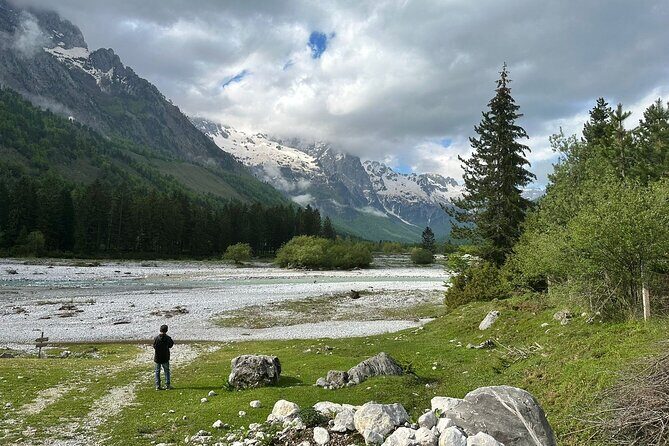
- Valbona Pass altitude drama: high views at roughly 1,759 m, with a 9.5 km route toward Theth
- Theth’s Blue Eye and Grunasi Falls: a deep well with seasonal blue tones plus a 25 m waterfall
Entering the Albanian Alps, one water system at a time
This trip makes sense if you like nature that feels close and a little wild. Instead of just driving past sights, you move through the region’s water routes: Komani Lake on the Drin River, then feeder valleys like Valbona and Shala, ending at the Blue Eye of Theth.
You’re also not stuck with only “photo stops.” You get a real mix—boat, short walks, a pass connection, then waterfalls and stone villages. And you do it in three days, which is exactly the sweet spot for first-timers who still want the Alps to feel like the Alps.
Logistics matter here, because northern Albania is all about timing and roads that can’t be rushed. The tour handles pickup/drop-off, the ferry ticket, local transport legs, and the guide, so you spend your energy on the trail and the views—not on figuring out how to connect buses.
Other Theth and Albanian Alps tours we've reviewed in Tirana

Komani Lake: the ferry ride that turns the Alps on
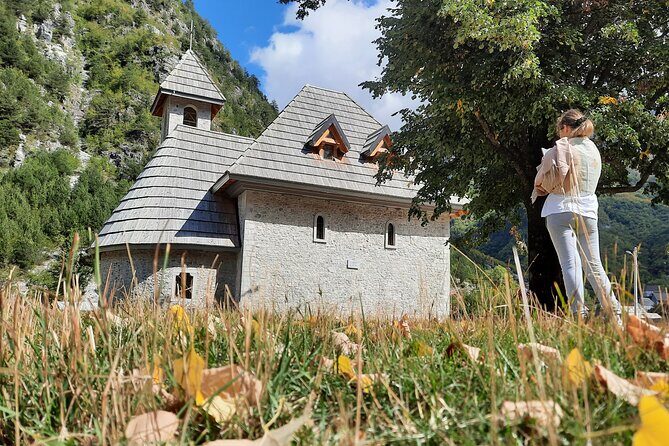
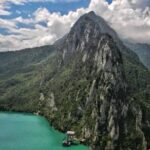
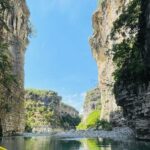
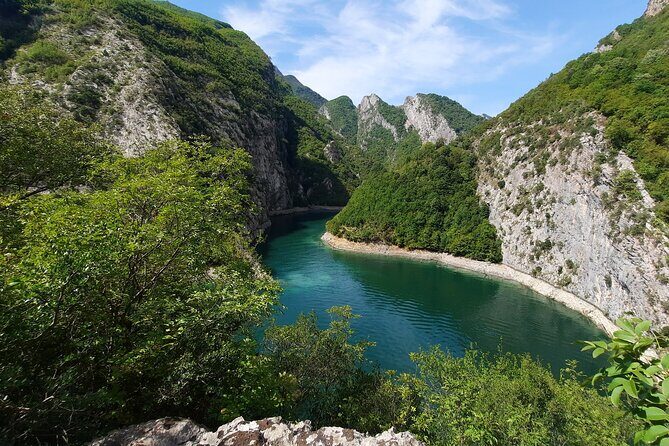
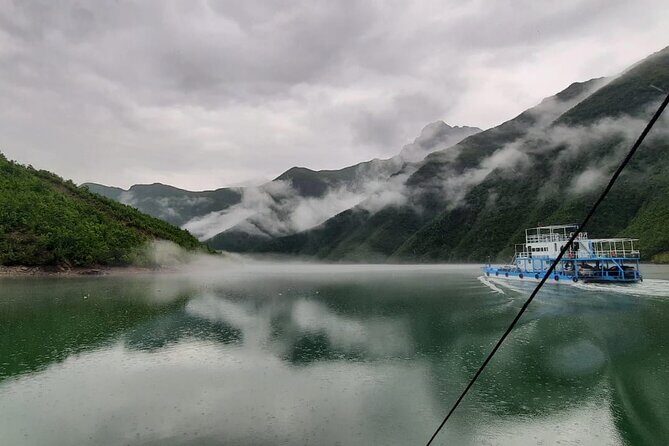
Day one starts with Komani Lake by Wild Tour Albania, and that’s a great choice. Komani Lake isn’t a “pretty pond.” It’s a reservoir on the Drin River, fed by the Shala and Valbona rivers, with a narrow gorge cut by steep canyon walls.
A few numbers help you picture it. The lake covers about 34 km², it stretches roughly 34 km, and it can narrow down to gorges more than 50 m wide. The dam project (built between 1979 and 1988) created the system, including a structure height of about 115 m.
From a traveler’s point of view, the ferry leg is valuable because it changes how you see everything. You’re not just looking at forests and rock walls from a road. You’re moving through the space between them, with the river valley feeling compressed and alive.
Wildlife and birdlife are part of the story too. The area is known for species like the common kingfisher, grey heron, and black-headed gull, and you may also hear more than you see—then catch a glimpse along the shorelines when the boat slows.
Practical note: this part is weather-sensitive. If fog or heavy rain rolls in, visibility drops fast on water and along canyon edges.
Valbona Valley: where the day feels slower, in the best way
After the lake, you move into Valbona, and the pace shifts. Valbona Valley sits inside a national park system that was expanded in 2022 as part of the larger Alps of Albania National Park. That means protected terrain, with a preserved ecosystem and a mix of valleys, alpine scenery, glacial springs, waterfalls, and forests.
Even though you only spend a couple of hours at each Valbona-side stop, each one has a different flavor. You’re not just getting “a view.” You’re getting texture.
Mulliri I Vjeter: a 150-year-old mill stop
Mulliri I Vjeter is about more than an old building. It’s an almost 150-year-old mill used by villagers to grind corn, wheat, and other grains, and the big grinding stones are still there. It’s located right on the road before you enter the village, and it’s easy to stop without feeling rushed.
I like this stop because it connects the landscape to daily life. You cross a wooden bridge, pause by the Valbona River, and suddenly the valley feels human-scale instead of just dramatic.
Xhemes’ Lake: blue water at 770 m
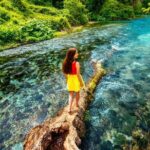
Then comes Xhemes’ Lake, one of those places that makes you pause even if you’re on a schedule. The lake sits at about 770 m above sea level—rare for a glacial-type lake, which are usually higher.
The water is clear and deep blue, and the beech trees around it add shade and structure. Depth can reach up to about three meters, and the surface area is roughly 500 square meters. In winter, it can freeze and still hold a shallow layer of depth under snow.
This is also one of those stops where season changes the feel. In warmer months, you get that classic turquoise-to-blue look. In colder months, the stillness and snow cover can be the highlight.
Other Saranda, Ksamil and Blue Eye tours in Tirana
Rragami Waterfall and the walk toward Valbona Pass
Day two starts with a short, satisfying nature walk: Ujevara E Rrogamit / Rrogami Waterfall. The idea is simple—you follow a trail from the Rragam area toward Valbona’s spring.
This walk is described as easy and one-way, around 50 to 60 minutes, through beech forest, with an elevation gain up to about 200 m at most. That’s a very manageable effort, and it’s perfect if you want your legs working without turning the day into a suffering contest.
The Rragami Waterfall matters because it’s tied to the source logic of the entire Valbona system. Valbona’s river is spring-fed, then continues through the valley and reappears at higher points like near Dragobi. You’re seeing how water starts, not just how it ends.
Valbona Pass: altitude at the center of the story
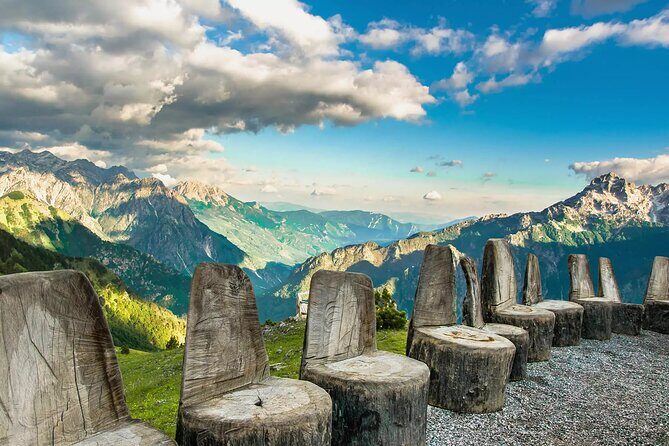
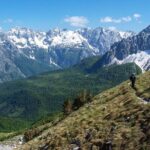
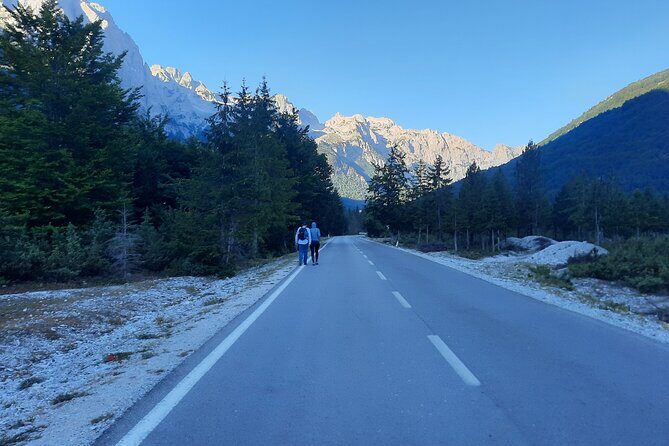
From there, the tour heads to the heart connection: Valbona Pass between Valbona and Theth. The pass sits around 1,759 m, and the walking trail totals about 9.5 km to reach Theth.
You can start from either side, and the route difference is real. If you start from Valbona toward Theth, the elevation difference is around 630 m. If you start from Theth toward Valbona, it’s about 850 m.
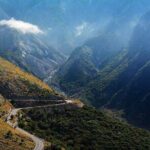
What you’ll feel is not just altitude. You’ll feel exposure and a wider view of the Albanian Alps, with the pass acting like a high corridor between valleys. It’s one of the most meaningful parts of the region because it’s the connection people actually used—then became a famous hiking link.
If you’re prone to motion sickness or feel tired at height, take it slow. The pass is scenic, but it’s still a mountain crossing, so pacing is your best friend.
Theth National Park: stone villages, big water, and a calmer scale
When you reach Theth, the trip shifts from “valley stops” to a more compact national-park feeling. Theth National Park protects ecosystems tied to the Albanian Alps and includes valleys, rivers, mountains, waterfalls, dense forest, and rock formations.
It was established in 1966 and covers about 26.3 km² (2,630 ha). It’s listed under IUCN Category II, and the area has a protected historic center status too. That means you’re not only walking in nature—you’re also moving through cultural space.
Spending time here is valuable because Theth doesn’t feel like a theme park. The scenery changes with every turn, but the pace is still human, and the villages and structures help you understand why people built where they did.
Tower of Nikoll Koceku: the tower that explains Theth’s past
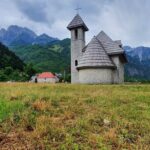
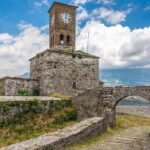
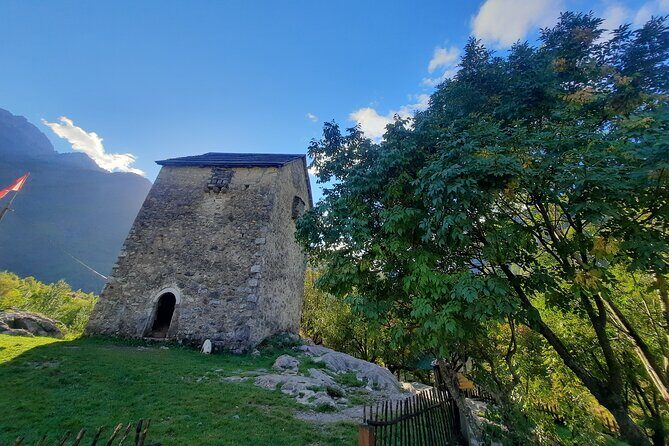
On the third day, you start with Tower of Nikoll Koceku. This is a lock-in tower built at the end of Theth village, used by families during blood feuds. The tower served as a place where men over age 14 could stay, while women were freer to go out and work the land.
The tour gives you the structure and purpose. The tower was built about 388 years ago and is divided into three floors, with old wooden flooring on the upper two levels.
Even if you’re not into historical architecture, I think this stop works because it’s specific. It’s not vague “ancient history.” You learn how a threat shaped daily life, then you see the tower in the place it was built for.
Grunasi Waterfall: a 25-meter drop with a rainbow angle
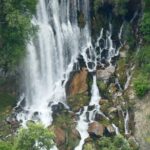
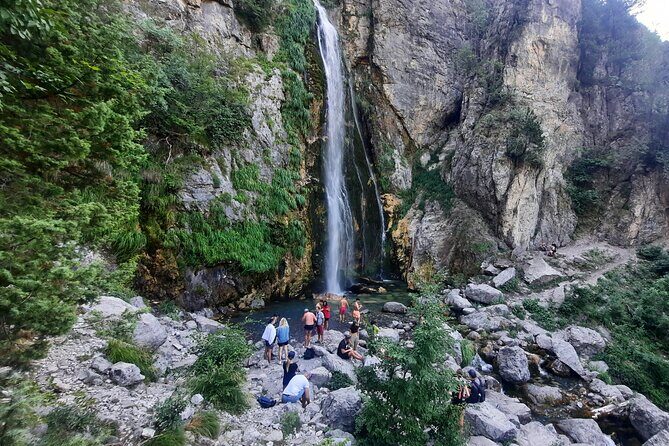
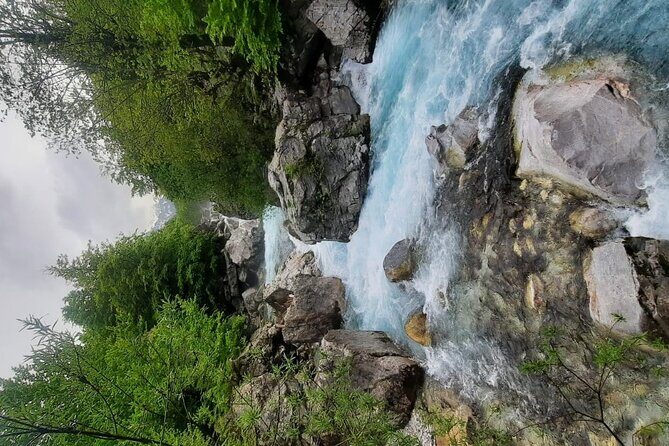
Next is Grunasi Waterfall, one of the most dramatic natural stops in the Theth area. It’s described as a natural monument since 2002.
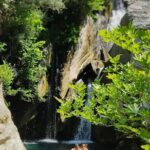
The waterfall forms on a limestone slope near the western foot of Boshi Mountain peak. The water drops from about 25 meters, and the area around it is forested and narrow.
At the bottom, a pond collects the water before it flows into Thethi’s valley and joins the Shala River. One of my favorite details here is the rainbow possibility. On sunny days, the mist can create a rainbow effect near the bottom.
This is a stop where you’ll want to linger. The air feels cooler, the ground can be damp, and the sound alone makes you stop checking your watch.
Blue Eye of Theth: black well water turning blue
Then comes the big finale: Blue Eye of Theth, located in Kaprre village about 7 km from Theth. This one is famous for a reason, but it’s also easy to understand once you see the setup.
The Blue Eye is a well (often called the Black Well), roughly 100 m² on the surface and about 4–5 m deep. It gets its water from the Black River flowing down from the upper Kaprrea area.
Seasonal meltwater is a key part of the effect. The water color shifts—blue and emerald tones depending on season—because the flow and clarity change over time. The Black River source links to Maja e Zeze, then feeds into the Shala River around Nderlysa, and eventually connects into the Drin River system and Komani Lake.
If you like “natural effects you can actually see,” this is that. The water color isn’t just a postcard color. It changes with light and season, and it sits in a rocky-green corridor that frames it well.
Boga and the way back to Tirana
After the Blue Eye, the tour includes a stop in Bogë (Boga). This village has a clear tribal and regional identity tied to the Kelmendi area and Shala boundaries. It’s described as having 75 families in 1908, all Catholics, according to Edith Durham—an unusually specific detail that makes the place feel anchored in real records.
Bogë is split into two sections: Preçaj and Kolaj neighborhoods. Even if you don’t have time to do a deep wander, it’s a good “small community” reset between major nature stops.
Finally, you return toward Tirana or Shkoder. The tour notes that on the way back there are short photo stops, then the trip ends back in the city.
What the tour actually includes (and what it doesn’t)
This is not a bare-bones outing. You’re paying for the connections across tough terrain.
Included:
- Accommodation and breakfast for all overnights (BB, with breakfast 2 times)
- A professional tour guide
- Hotel pickup and drop-off
- Transport from your hotel area in Tirana (or Shkoder) to Komani
- Ferry ticket from Komani Lake to Fierza Dam
- Local transport from Fierza to Valbone
- Transport from Theth back to your hotel in Tirana or Shkoder area
- All fees and taxes
- Mobile ticket
- English guide
Not included:
- Dinner, lunch, snacks
- Personal spending
- Anything not explicitly mentioned
That meal setup matters. You’ll likely be hiking and moving most days, so you’ll want to plan for lunch and snacks on your own. Breakfast is covered, which helps you start strong, but you’ll still need to budget for mid-day food.
Is it worth $591.46? A quick value check
At $591.46 per person, this trip doesn’t look cheap on paper. But it’s built around costs that add up fast when you do them separately.
You’re paying for:
- a guide across multiple day legs,
- pickup/drop-off from your hotel area,
- the ferry ticket (Komani Lake to Fierza Dam),
- the internal transport between Komani–Valbona–Theth,
- and the entrance ticket coverage where applicable (like Komani Lake and the tower).
Also, the itinerary has a real “region logic.” You don’t just hop between random stops. You’re moving through connected valleys and water systems that make sense as a three-day loop, so the time you spend traveling isn’t wasted.
If you were to DIY it, you’d likely spend extra on transport headaches, coordination, and the risk of missing a connection—especially with weather. Even with the best planning, northern Albania can be timing-sensitive.
Who this tour fits best
This one is a strong match if you:
- want Albanian Alps highlights without building a complicated plan,
- like guided routes that still leave room for short walks and stops,
- enjoy both big nature (lake, waterfalls, pass, Blue Eye) and human-scale culture (like the old mill and the tower).
You should also consider it if you’re traveling as a small group since it’s listed as private, meaning only your group participates.
If you’re very new to hiking, the good news is some of the walking is described as easy (like the Rragami waterfall walk). If you’re experienced, you’ll likely enjoy the pass connection as the “main event.”
Should you book this Komani–Valbona–Theth–Blue Eye trip?
Yes—if you want a compact, guided route through some of northern Albania’s most memorable outdoor stops, this is a smart booking. The value comes from transport connections you don’t want to juggle yourself plus a guide who keeps the days flowing.
I’d only hesitate if you know you can’t handle longer hiking days or if you’re traveling during a period when weather is often poor. The trip requires good weather, and in bad conditions it may be canceled and rescheduled or refunded.
FAQ
Is hotel pickup included?
Yes. Pickup and drop-off are included, and you just send your address at least one day before the trip starts.
Where does the tour start from?
The pickup is from your location in Tirana, and it also mentions pickup for Shkoder.
What language is the tour guide?
The tour is offered in English.
How long is the tour?
It’s listed as 3 days (approx.).
Is the ferry ride included?
Yes. Your package includes a ferry ticket from Komani Lake to Fierza Dam.
Are there admission tickets included?
All fees and taxes are included. Komani Lake has an included admission ticket, and the Tower of Nikoll Koceku includes an admission ticket as well; other stops in the schedule are listed as free.
What meals are included?
Breakfast is included for the two overnights. Dinner, lunch, and snacks are not included.
What physical fitness level do I need?
The tour requires a moderate physical fitness level.
Is this a private tour?
Yes. It’s listed as a private tour/activity, and only your group participates.
What if weather is bad?
The experience requires good weather. If it’s canceled due to poor weather, you’ll be offered a different date or a full refund.
Can I cancel and get a full refund?
Yes, free cancellation is available up to 24 hours in advance for a full refund, and changes within 24 hours aren’t accepted.