REVIEW · TIRANA
Albania North to South in 4 Days; Semi – Private Tour
Book on Viator →Operated by Choose Balkans · Bookable on Viator
You can get major Albania highlights fast, without rushing yourself. This semi-private 4-day route strings together Shkodra’s lake views, Berat’s 1001 windows, Stone City Gjirokastra, and a Tirana walk through communist memory and Ottoman-era landmarks.
I like the mix of big sights plus real stops where you eat and learn, not just check boxes. In particular, the plan leans hard on locally grounded experiences like the hand-decorated Venetian mask workshop in Shkodra and the slow-food farm visit near Shkodra.
One thing to consider: this tour uses private transportation, but you still spend real time in the car, and parts of the route involve windy roads. If you get car sick easily, it’s worth packing motion-sickness basics and planning for slower breaks.
In This Review
- Key things that make this tour worth your time
- What this 4-day north-to-south tour feels like in real life
- Day 1: Shkodra day trip starts with a castle view (and ends with a workshop)
- Rozafa Castle and the mask factory: why these stops work together
- Day 2: A slow-food farm near Mrizi i Zanave, then Berat’s 1001 windows
- Berat on foot: what to expect and what to watch for
- Day 3: Gjirokastra’s Stone City vibe, Skenduli House, and a vineyard pause
- The Barrels vineyard stop is more than a coffee break
- Day 4: Tirana walk—checkpoint memory, Blloku neighborhood, and Skanderbeg Square
- Meals, free time, and how to handle what’s not included
- Guides, small-group feel, and why the service style matters
- Price and value: is $1,327.01 a fair deal for 4 days?
- Should you book this Albania north-to-south tour?
- FAQ
- How long is the Albania North to South tour?
- What’s included in the tour price?
- Are meals besides breakfast included?
- Do I get free time during the day?
- What language is the tour offered in?
- How big is the group?
- Is there hotel pickup from Tirana?
- Are any attraction tickets free or included?
- What if the weather is bad?
- Is the tour refundable if I cancel?
Key things that make this tour worth your time
- Small-group limit (max 10 travelers) keeps the experience feeling human instead of bus-mass.
- Hotel pickup and drop-off in Tirana means you’re not juggling taxis before and after the trip.
- Museum and site entry coverage reduces surprise expenses when attractions charge admission.
- Slow-food and family-run stops (like the Mrizi i Zanave farm experience) add texture beyond monuments.
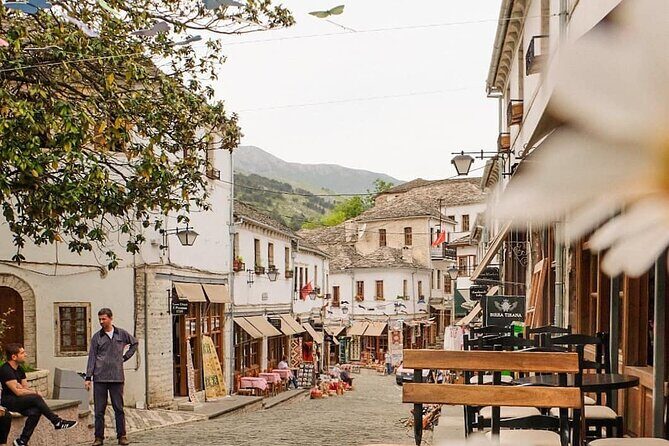
- Old towns on foot: Shkodra’s castle area, Berat’s streets, and Gjirokastra’s stone alleys reward comfortable walking shoes.
What this 4-day north-to-south tour feels like in real life
This is a fast but not frantic overview of northern-to-southern Albania, with the days designed around moving south in a logical thread: Shkodra → Berat → Gjirokastra → Tirana. The big difference from DIY is that you’re not researching entrances, timing, or transport between towns. You’re also not stuck translating everything on your own; a professional tour leader guides the whole arc.
The tour includes 3-star accommodation with breakfast for your overnights, plus private transportation, petrol and road taxes, and hotel pickup/drop-off in Tirana. That matters because in Albania, distances between sights can add up quickly, and the included logistics help you spend your time walking and eating instead of planning.
Pacing note: the schedule includes set time windows at each stop. You do get some free time in places, but it’s still a structured trip. If you want hours of wandering without a timeline, you might prefer a longer stay or more flexible add-ons.
Other private tours in Tirana
Day 1: Shkodra day trip starts with a castle view (and ends with a workshop)
Your day begins with pickup from your Tirana hotel (departing at 9:00 am if you arrange it on request at least 12 hours ahead). Then it’s on the road to Shkodra, in the north-west. The tour frames Shkodra as one of Albania’s oldest continuously inhabited cities, and the walking plan reinforces that: you’re learning while looking.
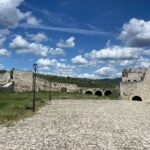
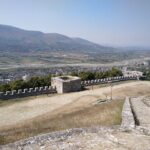
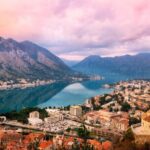
Stop 1 is Rozafa Castle, the classic viewpoint above the lake and where three rivers meet on their way toward the Adriatic. This is where you get the photo you came for: sweeping scenery, plus a layered sense of how geography shapes cities. The castle area is also the kind of place where architectural styles tell a story—Illyrian foundations, Ottoman influence, and Venetian elegance all show up in the city’s feel.
Stop 2 is a Venice Art Mask Factory, a small workshop approach instead of a big showroom. You’re looking at papier-mâché Venetian carnival-style masks that are painted and decorated by hand. Shkodra’s role in producing Venetian masks is a fun “wait, really?” fact that makes the stop more than a souvenir stop.
Night: you sleep in Shkodra.
Rozafa Castle and the mask factory: why these stops work together
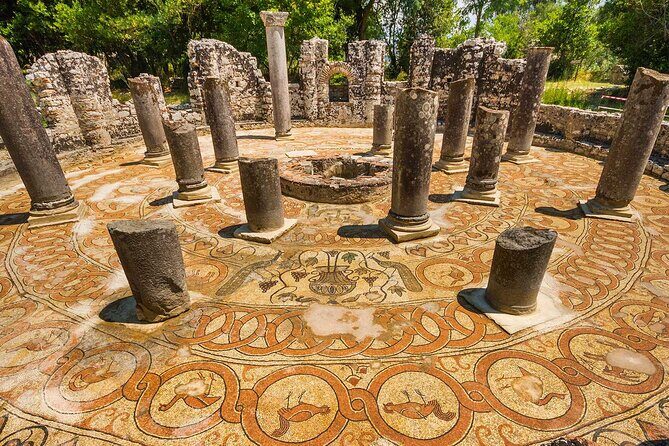
Rozafa gives you altitude and atmosphere. The mask workshop gives you craft and color. Together, they cover two kinds of travel value.
At Rozafa, you’re not just staring at views—you’re hearing why this specific place became important. The angle where the lake and rivers converge helps you understand the city’s position, and that helps everything you see later make more sense.
At the mask factory, you get a different kind of payoff: a tangible craft process. It’s short (about an hour), but the detail is the point. A mask isn’t just a product; it’s a hand-painted object with tradition behind it. If you’re the type who likes to watch how something is made, this stop lands well.
Drawback to note: because the day mixes a viewpoint and a workshop, you’ll want to bring a light layer. Castle areas can feel cooler even when the town is warm.
Day 2: A slow-food farm near Mrizi i Zanave, then Berat’s 1001 windows
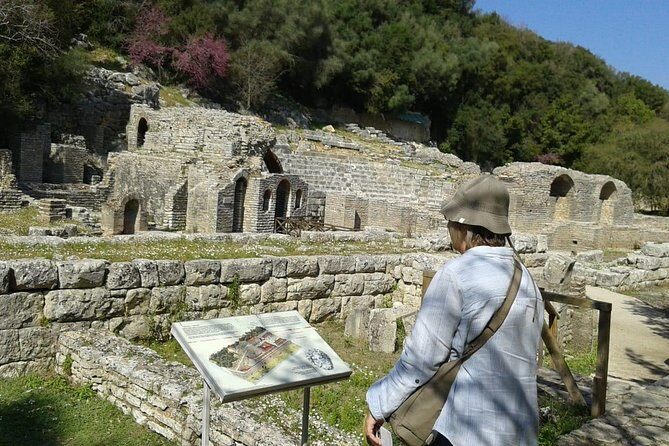
Day 2 starts with Mrizi i Zanave – Restorant Agroturizëm, presented as one of the best slow-food agro-tourism experiences in the Balkans. This part is built for people who like their travel grounded in food and farming, not just scenery.
You take a tour around the farm and get the story of how it created jobs for more than 400 people in the surrounding area. The visit also explains how the farm handles regional products—collecting, processing, and preserving bio fresh local food. Another detail worth your attention is the reuse of old communist-era buildings as storage for those local products. That kind of practical transformation makes the farm more interesting than a generic “look at the animals” stop.
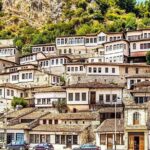
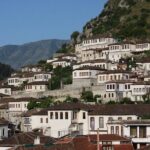
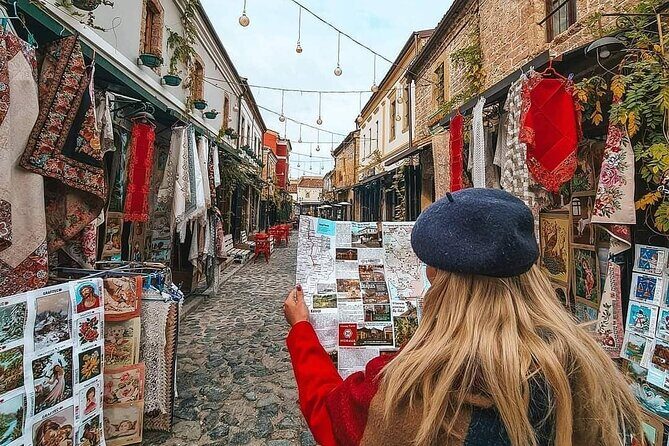
Then you drive to Berat, famous as the town of 1001 windows and a UNESCO World Heritage site. Berat is structured like this: medieval old houses on steep hillsides, narrow stone streets, and windows stacked in ways that feel almost unreal. It’s the kind of town where walking is the main event.
Stop highlight: the tour focuses on Gorica Neighborhood after time in Berat’s old-town area. You learn about Berat’s long timeline—from Illyrian settlement roots through castle-city days and the fact that residents still live inside castle walls today.
Night: you stay the night after this day in the Berat area (the provided plan has you continuing toward Gjirokastra on Day 3).
Berat on foot: what to expect and what to watch for
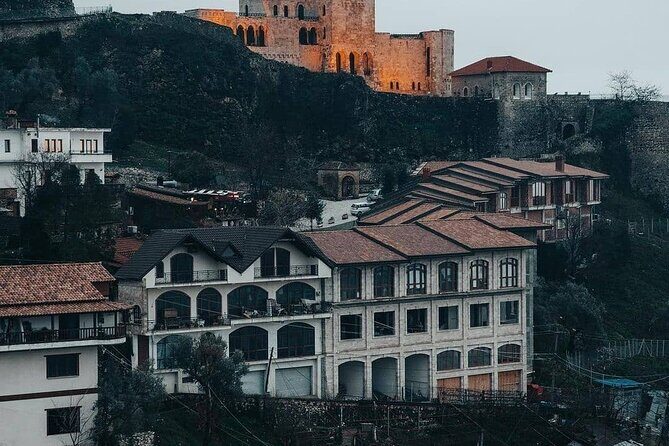
Berat is a place where the “big sight” is really a series of small reveals: a doorway angle, a window grouping, a church or mosque on a hillside, a view down toward the river corridor. The guided route matters because it helps you read the town quickly without feeling lost.
The tour also points out the creative thread behind local religious art. Berat is connected to Onufri, a painter associated with church art across the Balkans and known for a specific reddish color that’s hard to replicate. Even if you’re not an art-history person, those details give names and meaning to what you’re seeing.
What you should plan for: hills. Berat’s older lanes and slopes mean good shoes are more important than fashion. Also, since lunch and dinner aren’t included, you’ll want to budget time to choose something simple and local, especially if you’re already full from a farm lunch option at Mrizi i Zanave.
A few more Tirana tours and experiences worth a look
Day 3: Gjirokastra’s Stone City vibe, Skenduli House, and a vineyard pause
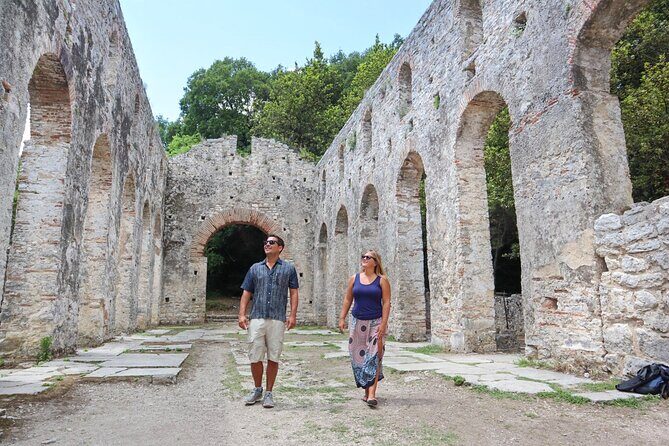
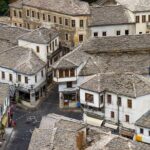
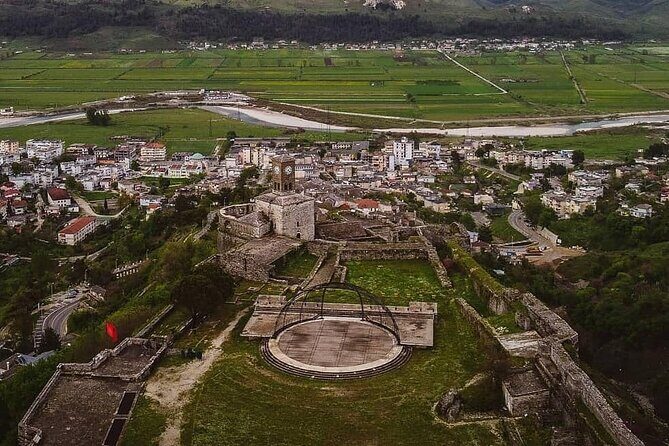
Day 3 is the medieval-town day. You drive to Gjirokastra, also UNESCO-listed and often called the Stone City for a reason: the town feels like a fortress made of stone, with houses built like small strongholds.
You start with the idea of the city as a fortified settlement built around its castle origins (the castle is said to date back to the 4th century A.D.). Before you even reach the castle area, the tour notes a stop near the medieval bazar, which helps set the mood. Narrow, cascading stone streets connect you to the architecture and the craft culture.
Then you visit Skenduli House, described as one of the best-preserved houses in Gjirokastra, where the interiors and layout remain original and authentic. This is a different kind of museum experience: you’re not looking at objects behind glass first. You’re stepping into a house that helps you understand how people lived in this stone-built world.
Stop 3 is a breather: a short drive takes you to The Barrels (te Fuçite), a family-run vineyard and restaurant. The plan gives you free time to eat and drink (wine is mentioned as an option) or just stroll in the rolling hills scenery.
This is the day that gives you both: stone streets in the morning, countryside calm later.
The Barrels vineyard stop is more than a coffee break
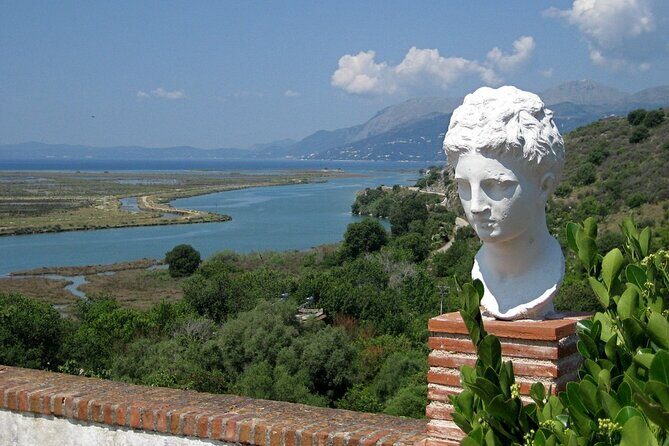
This is where the tour keeps you from feeling like you’re only “walking and learning.” At The Barrels, you’re offered a chance to slow down and choose your own pace for about an hour.
Because lunches and dinners aren’t included in the main tour price, this stop can be one of your most practical moments to settle food plans without scrambling for a restaurant after a long car ride. If you’re the type who likes trying local wines, this is also where you might fit in a glass in a setting tied to the landscape around Gjirokastra.
One small consideration: vineyard restaurants can be warm and sunny. If you’re sensitive to heat, bring water and a hat. The tour gives a set hour, so it’s best to treat this as your time to refuel, not as a spot for a long multi-course meal.
Day 4: Tirana walk—checkpoint memory, Blloku neighborhood, and Skanderbeg Square
After breakfast in Gjirokastra, you drive back to Tirana. Tirana is built for walking, and the final day leans into that: Ottoman-era, Italian-era architecture, and communist-era elements all show up in the same city blocks.
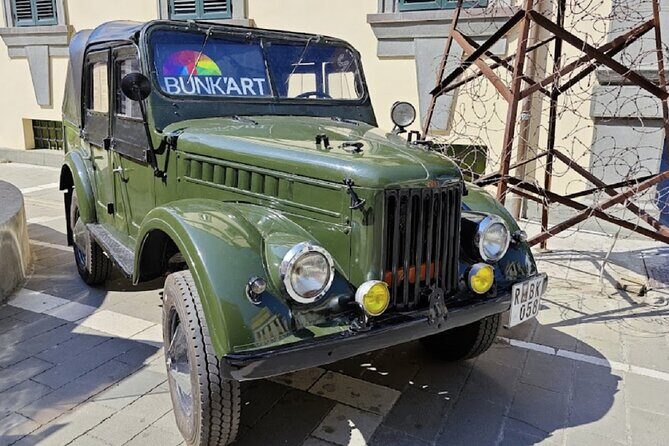
The first major Tirana stop is Postblloku (Checkpoint), a memorial linked to Albania’s communist-era isolation and political prisoners. It’s the kind of place that adds context fast. You’re not just learning dates—you’re seeing how that era shaped everyday life and political power.
Next comes Blloku Neighborhood, once restricted to members of the Albanian politburo and now one of Tirana’s lively areas filled with cafes and shops and colored street art. The tour also mentions passing Enver Hoxha’s residence, which helps anchor what you’ve just learned at Postblloku into a physical location in the city.
You finish with a walk through Skanderbeg Square, surrounded by major landmarks like the National Museum, the Bank of Albania, Opera Theater, Skanderbeg Statue, and religious architecture including Ethem Beu Mosque. Then you head toward Tirana Castle, now a pedestrian area where modern and traditional feel meet.
Finally, you get a short history lens on religion under communism: in 1967 Albania was declared the world’s first atheist state, with religious practices banned and institutions shut down or repurposed. You pass by Namazgah Mosque, plus Orthodox Cathedral and Catholic St. Paul’s Cathedral. That last segment ties together a lot of threads in a walkable route.
The tour ends back at the meeting point in Tirana.
Meals, free time, and how to handle what’s not included
Your tour includes breakfast three mornings. Lunches, dinners, drinks, and snacks are not included, so you need a plan for food costs and timing.
This is actually not a bad thing. It gives you freedom to eat where you like—especially because the itinerary isn’t built around long restaurant sits. But it does mean you should budget daily for at least one meal that’s paid out of pocket.
Two practical tips:
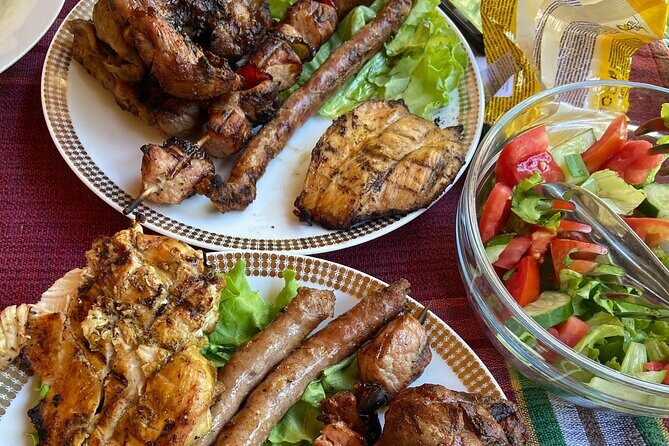
- Bring an appetite strategy. The farm stop near Mrizi i Zanave includes free time for traditional lunch or buying fresh produce, and The Barrels offers a chance to eat or buy wine or just relax.
- If you’re picky about long drives, use meal timing smartly so you’re not hungry while traveling. Some people feel worse on windy roads when they’re empty.
Guides, small-group feel, and why the service style matters
The tour is listed as semi-private with up to 10 travelers, and that’s a big deal for Albania, where not every stop is “made for large groups.” A smaller group lets your guide slow down, answer questions, and adjust the rhythm if someone needs a break.
The reviews associated with this operator are strongly supportive of the team and the guide experience. Names that show up include Renato and Neil, plus Alban as a guide on another tour, along with Sirma at the head office for help before departure. The consistent theme is communication and a friendly, human guide style. You can also take this as a clue that the office likely responds quickly if you have a timing question.
One caution from past experience logs: there’s a mention that the tour involves a lot of driving on windy roads. That’s not a reason to avoid the trip, but it is a reason to pack basics like motion-sickness meds if you know you’re sensitive.
Price and value: is $1,327.01 a fair deal for 4 days?
The price is $1,327.01 per person for about four days. What you’re paying for isn’t only seats in a vehicle. The included package bundles:
- 3-star accommodation with breakfast for overnights
- Private transportation (plus petrol and road taxes)
- Professional tour leader
- Hotel pickup and drop-off in Tirana
- Entry tickets for the sites visited
- Mobile ticket support and tourist taxes
To judge value, look at what it would cost if you did it alone: trains or car transfers between towns, paid guides, admission fees, and at least a couple of nights in lodging. In many parts of Albania, the guide and transport portion is where DIY can get expensive fast, because you’re paying for logistics on top of entrance fees.
What’s not included is also clear: meals beyond breakfast, drinks, snacks, and souvenirs. So think of this as a “mostly managed trip.” You’re covering the core costs; you’re just choosing what you eat in your free time.
Also note the pricing is calculated based on double/twin/triple/quad occupancy in 3-star hotels. If you’re traveling solo, the exact arrangement can affect value in practice, so it’s worth confirming your room type when you book.
Should you book this Albania north-to-south tour?
I think this is a strong choice if you want:
- a guided overview of northern-to-southern Albania in only 4 days
- a plan that mixes old towns, viewpoint time, and food-based stops
- small-group energy (max 10) without going fully private
I’d skip or at least reconsider if:
- you get car sick easily and don’t want to manage it
- you want long, unstructured days with no driving focus
- you’re hoping for all meals included (you’ll pay for lunch/dinner/drinks yourself)
If your travel style is: see the key places, walk with a guide, and then enjoy flexible meal time, this tour format fits well.
FAQ
How long is the Albania North to South tour?
It lasts about 4 days.
What’s included in the tour price?
It includes 3-star accommodation and breakfast for overnights, private transportation, a professional tour leader, entry tickets for the sites visited, hotel pickup and drop-off in Tirana, plus tourist taxes/road taxes/petrol.
Are meals besides breakfast included?
No. Lunches, dinners, drinks, and snacks are not included.
Do I get free time during the day?
Yes. The itinerary includes free time periods such as at the farm stop and at the vineyard restaurant, and Tirana includes walking time around several areas.
What language is the tour offered in?
The tour is offered in English.
How big is the group?
The tour has a maximum of 10 travelers.
Is there hotel pickup from Tirana?
Yes. Hotel pickup in Tirana is included, and pickup can be arranged on request (at least 12 hours before departure) for 9:00 am.
Are any attraction tickets free or included?
The itinerary notes that some sites are free and others have tickets noted as included. Overall, the tour includes entry tickets for the sites that will be visited.
What if the weather is bad?
This experience requires good weather. If it’s canceled due to poor weather, you’ll be offered a different date or a full refund.
Is the tour refundable if I cancel?
The experience is non-refundable and cannot be changed for any reason.