REVIEW · TIRANA
Small Group Tour; Gems of Albania, Kosovo & N. Macedonia
Book on Viator →Operated by Choose Balkans · Bookable on Viator
Eight days, four UNESCO stops, and real road time. This tour is interesting because it strings together medieval cities, borderland monasteries, and high-mountain nature in one efficient loop. I especially like the small group size (max 10), which makes it easier to ask questions and move at a human pace. I also like how much UNESCO content you pack in, without turning every day into a checklist.
The one thing to think about: the itinerary is full, and not all meals are included, so you’ll want to budget for lunch and dinner on your own. Also, you’re traveling across three countries in about a week, which means long car days and a bit of schedule pressure.
You’ll get hotel pickup and drop-off in Tirana, breakfast included at your hotels, and a professional guide guiding the history and the why behind the sights. And if you’re picking a departure date, I’d pay attention to guide style—names like Ardit and Gizeem have been praised for humor and patient explanations on this route.
In This Review
- Key reasons this trip is worth your time
- What $2,361 really buys on this Balkan route
- Small-group logistics: pickup, pacing, and how the day feels
- Day 1 in Krujë: Bazaar lanes, castle escape routes, and a lunch break
- Day 2 Shkodër and Rozafa, then the Decan Monastery art stop
- Day 3 Prizren and Kosovo capitals: mosques, bridges, and fortress panoramas
- Day 4 Skopje’s mix of influences: Stone Bridge, big statues, and Old Bazaar chaos control
- Day 5 Matka Canyon boat time and Ohrid’s UNESCO old town essentials
- Day 6 St Naum’s monastery at the source of the Crni Drim, plus Drilon and Tushemisht
- Day 7 Berat’s 1001 windows: castle living, Onufri’s art, and Gorica views
- Day 8 Tirana finale: BUNKART history, Skanderbeg Square, and Blloku food streets
- The UNESCO hits you’ll actually experience
- Pace and packing: how to stay comfortable without slowing the day
- Should you book this tour?
- FAQ
- Where does the tour start and end in Tirana?
- What time does the tour start?
- How long is the trip?
- Is breakfast included, and what about other meals?
- What size is the group?
- Are entrance fees included for the sights?
- What kind of hotel rooms are included?
- Do I have to tip?
- Is the tour refundable if I cancel?
Key reasons this trip is worth your time
- Max 10 people: enough space to keep questions flowing, not a bus full of silence.
- Four UNESCO World Heritage stops across Albania and North Macedonia, plus major UNESCO-listed art and heritage moments in Kosovo-area.
- Professional guide storytelling, with multiple guides on past departures getting called out by name, including Ardit and Gizeem.
- Private transportation with pickup in Tirana, so you’re not stitching together trains and buses.
- Mix of towns and nature, from Ohrid lake views to Matka Canyon and the Drilon–Tushemisht break.
- Breakfast included for every overnight, which cuts down the morning scramble.
What $2,361 really buys on this Balkan route
At $2,361.02 per person for an 8-day trip (approx.), you’re paying for a lot more than sightseeing. You’re also paying for private transportation, a professional tour leader, hotel pickup and drop-off in Tirana, tourist taxes, and the vehicle costs like insurance, road taxes, and petrol. When you spread that across three countries in under a week, the price starts to make sense—this is the kind of route where DIY can get expensive fast in time and logistics.
On the other hand, lunches and dinners are not included. So you’re not done budgeting after you book. If you’re the type who plans to eat cheaply most days, you’ll likely feel happier about the total cost. If you want full-service meals at restaurants every night, factor that into your math early.
The single supplement is also a factor: single room occupancy adds 45 Euros per night in a 3-star property. If you’re traveling solo, that can swing the value a lot depending on your travel style.
Other North Macedonia day trips from Tirana
Small-group logistics: pickup, pacing, and how the day feels
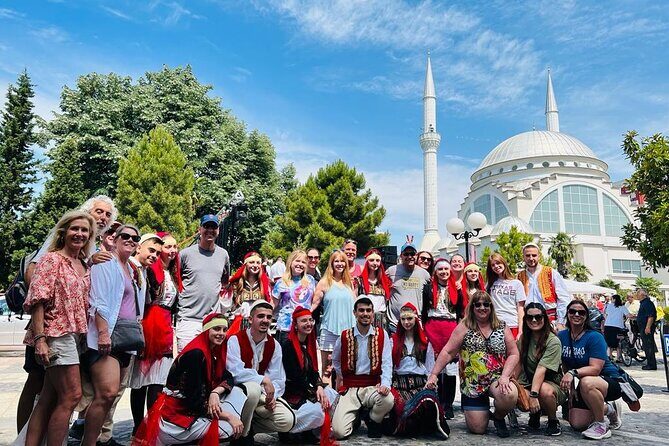
This tour runs with a maximum of 10 travelers, and you’ll travel by private transportation. That’s a big deal in the Balkans, where public transit between smaller cities can be slow or inconvenient. You’ll start at 9:00 am and the tour meets at the Choose Balkans office in Tirana (3rd Floor, Twin Towers, Tower 2).
The day rhythm is usually: car transfer, short guided walk or interior visit, then a bit of time for yourself—often around lunch or shopping. Admission is listed as included for many stops and free for others, which means you won’t be paying entry fees at every turn.
Tips aren’t required in Albania or the Balkans, but it’s still a good idea to tip the tour leader and driver as an international practice for service. And since you’ll have border crossings (like Kosovo), you’ll want your documents ready and your patience switched on.
Day 1 in Krujë: Bazaar lanes, castle escape routes, and a lunch break
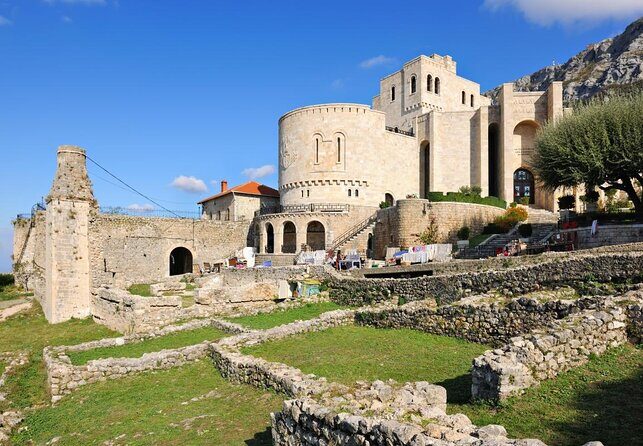
Krujë is where the story turns from general Balkan variety to Albanian resistance and identity. You’ll be picked up in Tirana in the morning and driven to Krujë, a town set on rocky slopes around 560 meters up. The first part feels like stepping into a defensive era: the castle sits high for a reason, and the tour leans into that.
You’ll wander the Krujë Medieval Old Bazaar, with narrow streets and wooden houses. It’s a practical place to shop for souvenirs—everything from handmade jewelry to carpets—so you don’t have to wait until the last day. From there, you’ll visit Krujë Castle, including the idea of hidden local paths used to get out without being noticed when enemies surrounded the fortress.
A short time window later in the day gives you breathing room for lunch and browsing. That’s important here because Krujë can move from scenic to tiring if you’re pushing too hard. Build in small pauses, and you’ll enjoy the views more.
Day 2 Shkodër and Rozafa, then the Decan Monastery art stop
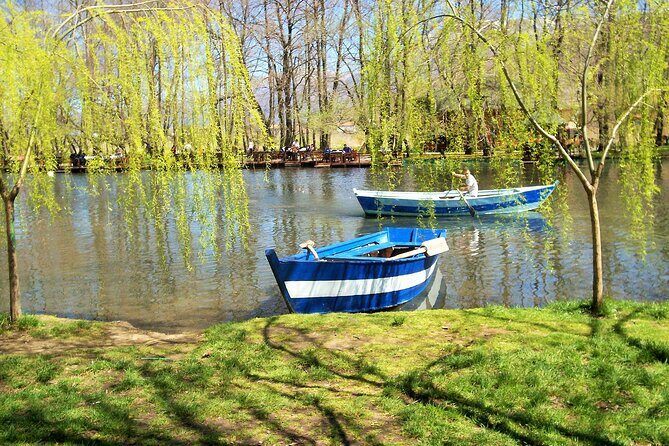
Day 2 begins in Shkodër (Shkodra), a northwestern city with a long timeline—living here for roughly a thousand years is part of the local identity. The name connects to the lake nearby, and the city’s ancient walls and deep history make it feel like a layered stop rather than a quick photo stop.
Then you’ll head to Rozafa Castle, where you get sweeping views over the lake and the rivers meeting and heading toward the Adriatic Sea. This is a good “stretch your legs, lift your eyes” stop, especially after yesterday’s medieval lanes.
Later, the tour crosses into Kosovo for the Monastery of Decan. This is not just a pretty building. The monastery is described as white in color, and it’s still home to Orthodox monks who make fresh organic food like cheeses. UNESCO recognition here connects to the frescoes (listed as part of UNESCO in 2004). If you like art history or want to understand how religion shaped everyday life, this stop lands hard.
The practical note: this is a day with transitions. Keep water handy and expect the route to feel like a road trip with highlights, not a slow wander.
Day 3 Prizren and Kosovo capitals: mosques, bridges, and fortress panoramas
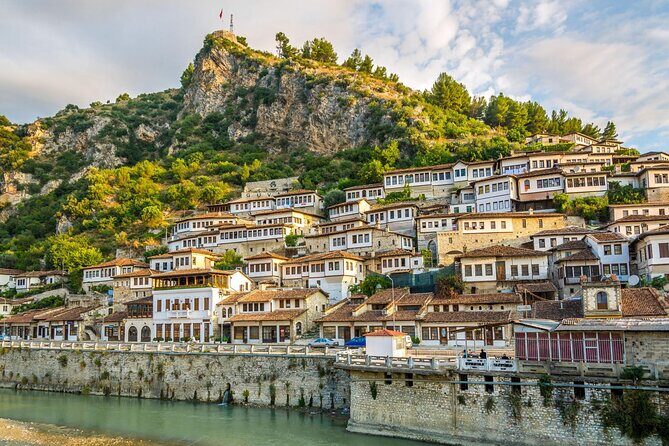
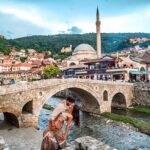
Prizren is the start of a more international-feeling day. It’s described as a cultural capital of Kosovo, with history that stretches through Illyrian settlement and into Byzantine and Ottoman crossroads. The river running through the old town, under the many bridges, is one of the main reasons the walking feels interesting—there’s always a visual anchor.
You’ll visit places like Sinan Pasha Mosque, where the focus is on arabesque color and pattern. After that, the tour goes up to Kalaja Fortress, set above the town for a panorama that helps you understand how Prizren developed on slopes and river crossings.
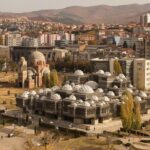
Then you’ll move toward Pristina later in the day. In Pristina, you’ll see the Newborn monument, a symbol tied to Kosovo’s independence. You’ll also walk through the main boulevard area and pass through Sheshi Nena Tereza, where grabbing a coffee can be a nice reset point. Skanderberg square with the statue of Skanderbeg gives you a clear anchor to Albanian historical identity in Kosovo’s capital.
If you’re someone who gets tired of monuments, you might want to focus on a few key stops and use the coffee breaks as your decompression.
Other Kosovo day trips from Tirana
Day 4 Skopje’s mix of influences: Stone Bridge, big statues, and Old Bazaar chaos control
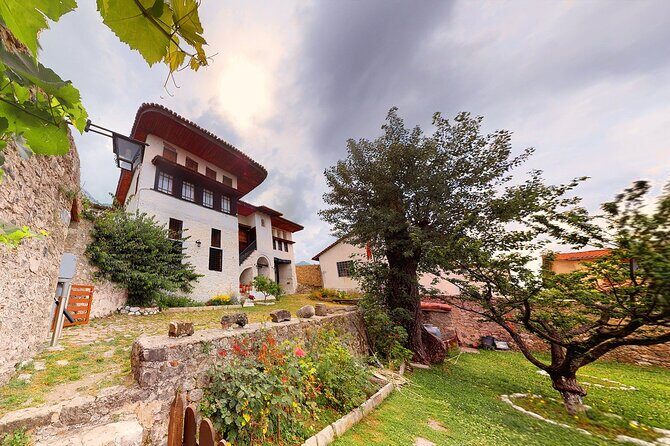
Skopje is a city of contrasts: European, Ottoman, and even Asian influences all show up in the same view. The day’s stops help you understand that blend without needing a history degree.
You’ll cross through the Stone Bridge, a connector between the newer and older parts of the city. It’s also a good orientation moment—suddenly you see how the city is stitched together. You’ll likely spot the Alexander the Great statue in the center as you move through the area.
One of the more photo-friendly moments is the Art Bridge, which leads toward the Archaeological Museum and is lined with lanterns and statues of Macedonian artists and musicians. That gives the day a lighter touch before the more layered history starts.
Then comes the Old Bazaar of Skopje, described as the biggest in the Balkans. The bazaar is where you can turn history into something practical: shop, snack, and watch daily city life play out next to older architecture. The cross on the mountain above Skopje is visible kilometers away and acts like a city landmark you’ll remember later when you look back at the route.
Day 5 Matka Canyon boat time and Ohrid’s UNESCO old town essentials
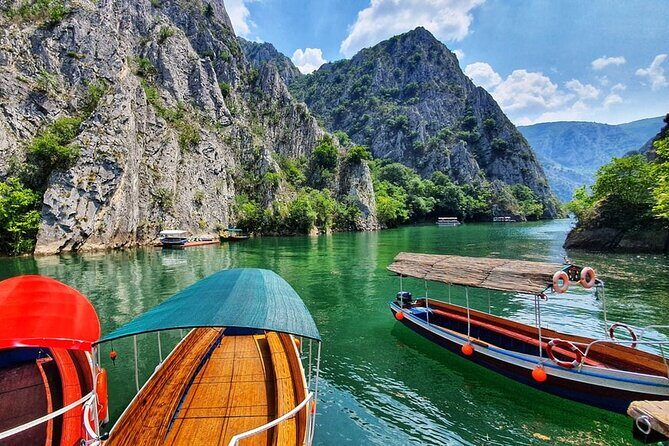
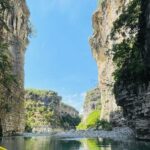
Day 5 is where nature gets physical. Matka Canyon sits close to Skopje, so it’s a nice break from city textures without losing travel time. The tour highlights a boat trip through the canyon, plus the area’s caves, medieval castles, hiking routes, and even a chance to swim in turquoise waters. If you like outdoors but don’t want to plan your own logistics, this is the kind of stop that does the work for you.
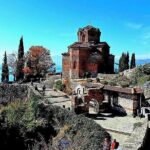
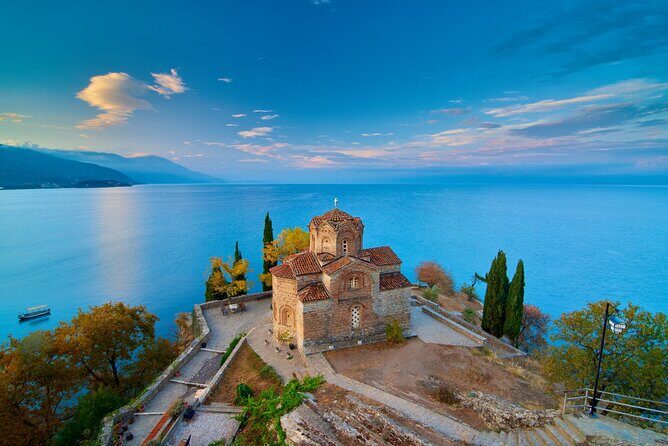
After Matka, you drive to Ohrid, a destination tied to UNESCO heritage since 1980. This is one of the places where the tour explains why it matters: Ohrid and the lake are tied to the Illyrian tribe of Enkeleys, and Romans called the lake Lyhnidas, the Light Lake. You’ll get guided visits to key sites, including a viewpoint for church of St. John, church of St. Nicolas, and the mosque Halveti Hayati Tekke.
Ohrid has an easy-to-feel religious depth because Orthodox and other religious sites appear in a compact area. That makes it good for travelers who want culture, not just sightseeing.
If you want a tip for enjoying the day: don’t over-plan your photos. Let the guided path get you started, then use the free time to slow down near the lake views.
Day 6 St Naum’s monastery at the source of the Crni Drim, plus Drilon and Tushemisht
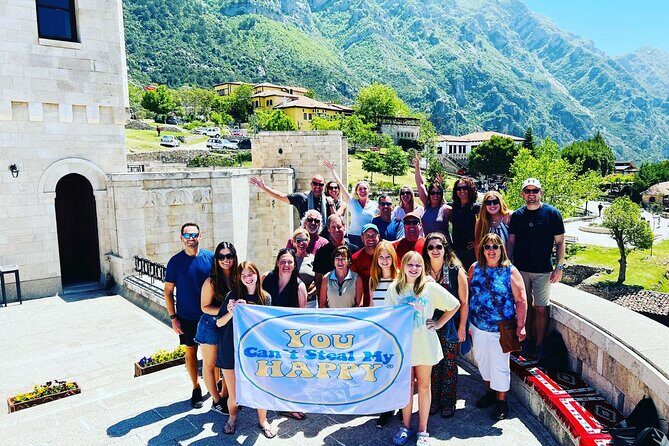
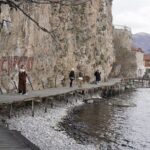
This day starts with Monument to St. Naum of Ohrid, near the Albanian border. On the route, you pass through Galichitsa National Park, located between the Albanian border, Ohrid Lake, and Prespa Lake. The point of the stop is the monastery setting: it’s described as at the source of the River Crni Drim, which flows into Lake Ohrid.
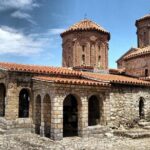
The tour emphasizes how spring water and the monastery complex create reflective, scenic moments—crystal clear spring water and mountain peaks in the background. It’s a classic example of why pairing a monastery with a nature setting works: it gives you a mental picture of how geography shaped settlement.
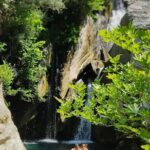
Then you cross back into Albania toward Drilon National Park and the nearby village of Tushemisht. Drilon waters form a small lake surrounded by greenery, and Tushemisht is described as a quieter pocket with strong food traditions. The tour explicitly calls out baked speckled trout, known as Koran in Albanian, plus pickles.
This is a day where comfort matters. Wear shoes that handle uneven ground if you do any extra walking, and give yourself time to eat slowly if you find a meal option there.
Day 7 Berat’s 1001 windows: castle living, Onufri’s art, and Gorica views
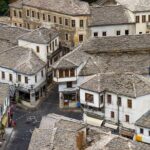
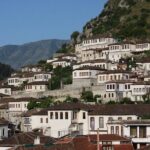
Berat is one of the most story-rich towns on the whole trip. You’ll hear it called the town of 1001 windows, part of UNESCO World Heritage, and the guided walk explains why: medieval houses with layered windows stack up on steep hillsides like living architecture.
You’ll see the narrow stone streets and get that sense of a city built to watch both sides of the river valleys. The tour also gives historical context: the settlement history goes back to the 6th–5th century B.C., then it became a castle city called Antipatrea.
Next you’ll visit Berat Castle, plus churches and mosques in the complex. A detail worth holding onto: residents are described as still living inside the castle walls. That’s one of those facts that makes the place feel real instead of staged.
You’ll also visit the National Iconographic Museum Onufri, tied to Onufri, the painter associated with a reddish color that’s described as still difficult to imitate. That’s a good pairing with the day before at St. Naum—two different ways art and belief show up in the same broader region.
Finally, you’ll stop at Gorica Bridge and the Gorica neighborhood, which helps you connect the castle area to the wider town structure.
Day 8 Tirana finale: BUNKART history, Skanderbeg Square, and Blloku food streets
Your last day brings everything back to Albania’s capital. Tirana is described as a mix of Ottoman, Italian, and communist style architecture, and that clash is part of the charm. The tour starts with a walk and orientation, then heads to the big focal point: Skanderbeg Square.
Around the square you’ll pass major landmarks: the National Museum, Bank of Albania, the opera house, Skanderbeg statue, and Ethem Beu Mosque, plus plenty of places to stop for a coffee. This is also where you can feel the city’s rhythm without needing a long hike.
Then comes BUNKART 2, one of the most distinctive museums in the itinerary. The tour explains it as a former nuclear bunker built to shelter Albania’s communist leadership, including Enver Hoxha and close party members. It also notes the bunker stayed secret until 2016, when it was turned into a museum, and that the exhibition uses video to cover communist army history and daily life under the regime.
After that, you’ll walk along Rruga Murat Toptani, described as a pedestrian street area where modern and tradition blend. Your final stop is Blloku, the colorful neighborhood where the tour points you toward food—from cheaper street food to higher-end options.
This last day works well because it gives you a social, modern ending after days of medieval stones and monastery frescoes.
The UNESCO hits you’ll actually experience
This route is built around four UNESCO World Heritage World Heritage Sites, not just one. Here’s how that UNESCO theme shows up in real time across your days:
1) Decan Monastery in Kosovo-area: UNESCO-linked fresco art, plus the monastery is still active with monks making organic food.
2) Ohrid: UNESCO heritage for the lake region and the ancient settlement story tied to Illyrians and Roman naming.
3) St Naum: part of the same heritage region rhythm, experienced in a monastery-and-source-of-the-river setting.
4) Berat: UNESCO-linked “1001 windows” architecture, plus castle living and iconography tied to Onufri.
You’ll also see how the tour brand’s nature promise makes sense, since you get Matka Canyon, Galichitsa area views, and day stops like Drilon and Tushemisht. And the tour overview includes other nature and heritage highlights such as Butrint National Park and the Blue Eye spring, which helps explain why this isn’t only about monuments.
Pace and packing: how to stay comfortable without slowing the day
Because you’re covering multiple cities across Albania, Kosovo, and North Macedonia, expect long travel days even when the stops are short. The tour gives breaks and some free time, but it’s still an active schedule—so pack for day walking and changing temperatures.
Bring comfortable walking shoes. Bring a light layer even in warmer months, since monasteries and canyon areas can feel cooler. And don’t forget basic sun protection if you’re doing extra walking around bazaar streets and viewpoints.
Also, remember that breakfasts are included, but lunches and dinners are not. If you’re sensitive to food timing, you might want to plan how you’ll eat during free time so you don’t end up hungry in the car.
Should you book this tour?
Yes, if you want a fast but not chaotic introduction to the Balkans, and you care about history you can see up close—mosques, monasteries, castles, and UNESCO towns. The small group size plus private transport is a strong combo here, and the day plan is built around real variety: bazaar lanes, fortress views, canyon water time, and monastery art.
I’d also recommend it if you like guides who explain not just what you’re seeing, but why it developed in that place. On past departures, guides like Ardit and Gizeem have been praised for humor and patient explanations, and that kind of guiding style matters on a route this dense.
Skip it if you hate long drives or if you’re hoping every meal and attraction is included. You’ll manage some of your own food budget, and the itinerary is full enough that you should be okay with moving every day.
One last practical note: this experience is listed as non-refundable and can’t be changed once booked. If your dates are flexible, lock them in carefully before you pay.
FAQ
Where does the tour start and end in Tirana?
The tour meets at Choose Balkans – Albania Tour Operator, 3rd Floor, Bulevardi Dëshmorët e Kombit Twin Towers, Tower 2, Tirana 1001, Albania. The activity ends back at the meeting point.
What time does the tour start?
The tour start time is listed as 9:00 am.
How long is the trip?
The duration is listed as 8 days (approx.).
Is breakfast included, and what about other meals?
Breakfast is included with the accommodations for all overnights. Lunches, dinners, drinks, and snacks are not included.
What size is the group?
This tour has a maximum of 10 travelers.
Are entrance fees included for the sights?
Admission tickets are shown as included for many stops and free for others. The tour data lists each stop with either included or free admission.
What kind of hotel rooms are included?
The price is calculated based on double/twin/triple/quadruple occupancy in a 3-stars hotel accommodation. Single room occupancy is possible for an extra 45 Euros per night.
Do I have to tip?
Tips are not a must in Albania or the Balkans. The tour recommends tipping the tour leader/driver as good-practice for service.
Is the tour refundable if I cancel?
No. The experience is non-refundable and cannot be changed for any reason.
If you want, tell me your travel month and what you care about most (UNESCO, nature, food, or history), and I’ll help you judge whether this pace fits you.