REVIEW · TIRANA
Kosovo & North Macedonia from Tirana in 2 days
Book on Viator →Operated by Local Friends Albania · Bookable on Viator
Kosovo and North Macedonia in two days sounds intense, because it is. This private, English-speaking road trip threads together Old Town Prizren, Pristina’s national landmarks, and the best-known highlights of Skopje and Ohrid, with air-conditioned driving and a tight morning start from Tirana.
What I like most is how the day-plan pairs big-name sights with very human, street-level places. You get history you can read on buildings, plus time to walk markets and old streets rather than only posing for photos.
One thing to weigh: it’s a lot of driving in a short window. If weather is rough (rain can slow roads), your time in cities shrinks, and the tour can feel more like a long transit day than a slow stroll.
In This Review
- Key points before you go
- The vibe of this 2-day route: quick cities, real streets
- Value and price: why $420.55 can make sense
- Day 1 in Kosovo: Prizren’s old-town power in a single block
- Prizren: Culture Capital feel with river and fortress views
- House of the Prizren League Museum (Muzeu Lidhja Shqiptare e Prizrenit)
- Sinan Pasha Mosque area: Stone Bridge of Love and the bazaar walk
- Pristina on Day 1: National Library and the Newborn Monument
- The National Library of Kosovo: Brutalism with layers
- Newborn Monument and Mother Teresa Cathedral area
- Cross-border to Skopje: a short hop that turns into a whole day
- Day 2 in North Macedonia: Skopje’s walking loop plus Mother Teresa
- Skopje city center walking tour: two sides of the city
- Memorial House of Mother Teresa: the birthplace story
- Skopje Old Bazaar: shopping streets with serious age
- Old Bazaar – Skopje: trade hub since the 12th century
- Ohrid: where the lake day becomes the cultural closer
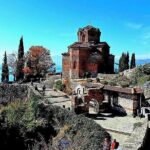
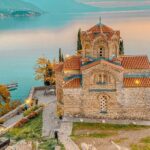
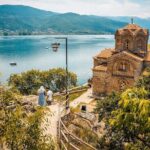
- St. Jovan Kaneo: the church with the cliffside lake view
- Ohrid Old Bazaar area: stone streets and traditional homes
- The guide factor: Giulio and Skerdi made the difference
- What to pack and how to pace yourself
- Who this tour suits best (and who should skip it)
- Should you book this 2-day Kosovo and North Macedonia tour?
- FAQ
- What time does the tour start?
- Is pickup included?
- Are meals included in the price?
- Do I need a passport?
- Is admission included for every stop?
- Is this a private tour?
Key points before you go
- A 48-hour cross-border sprint from Tirana that hits two countries and multiple major cities
- Prizren’s compact historic core: Prizren League Museum, Sinan Pasha Mosque area, Stone Bridge of Love, and bazaars
- Skopje built for walking with an Old Bazaar stop plus the Mother Teresa Memorial House
- Ohrid on Lake Ohrid with St. Jovan Kaneo (ticket not included) and time in the old bazaar area
- Guide support that reduces stress at borders, based on multiple high-rating comments about excellent help
- Fast start time (8:00am) and admissions that are mostly free or included, but not everything
The vibe of this 2-day route: quick cities, real streets
This tour is designed for people who want a big sampler pack without spending a week on the road. Start time is 8:00am and you’ll move between cities by private vehicle, with pickup offered. That means you’re not fighting buses or taxis on a tight schedule—you’re buying time.
The trade-off is speed. The itinerary stacks cities back-to-back: Tirana to Prizren, then on to Pristina, then onward to Skopje, and finally Ohrid. When it works, you leave each city with a clear impression. When it doesn’t, you spend more hours in the car than you expected—especially in rain.
Other North Macedonia day trips from Tirana
Value and price: why $420.55 can make sense
At $420.55 per person for about two days, the value comes from what’s bundled. You’re paying for private, air-conditioned transportation plus a guided structure through stops where admissions are often free (and a few are included).
If you were to do this yourself, you’d still be arranging driving, timing city walks, and dealing with border logistics. The tour’s price isn’t just sightseeing—it’s also buying a plan, a driver, and an English-speaking guide to keep things moving.
What you should watch: meals aren’t included. You’ll need to budget for 2 lunches and dinner out of pocket. Also, St. Jovan Kaneo’s admission is not included, so plan to pay that separately when you’re there.
Day 1 in Kosovo: Prizren’s old-town power in a single block
Prizren: Culture Capital feel with river and fortress views
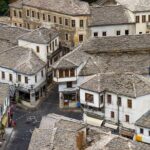
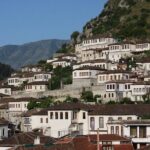
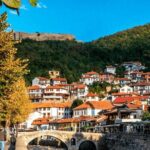
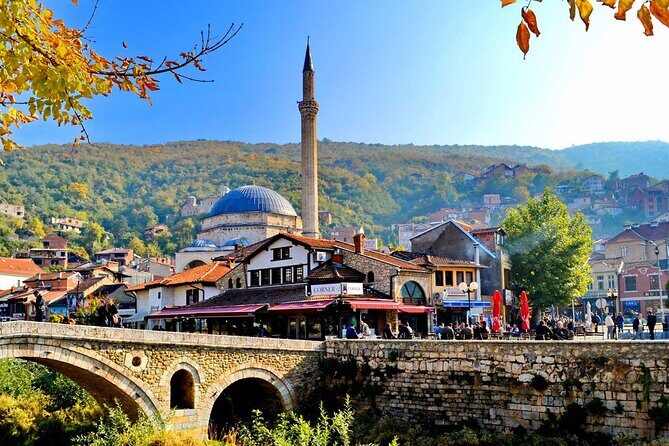
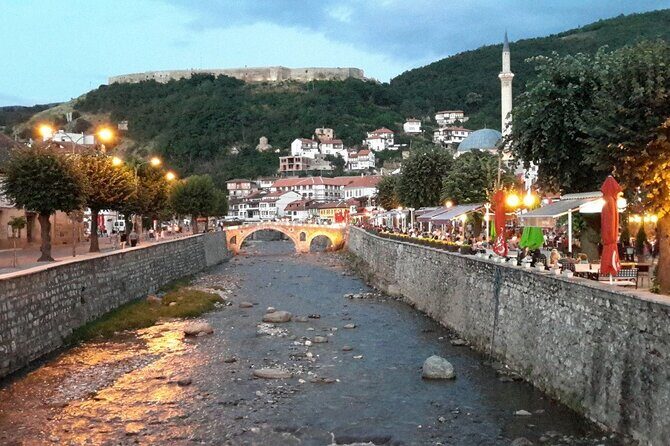
Prizren is the kind of city that makes you slow down without trying. It’s set along the Bistrica River, with Prizren Castle hovering above. Even on a tight schedule, it’s easy to see why this place is described as a cultural and historic hub.
This day gets you right into the old fabric of the town—aimed at people who want more than a checklist. The stops cluster in the historic core, so walking feels natural rather than forced.
House of the Prizren League Museum (Muzeu Lidhja Shqiptare e Prizrenit)
This is the stop that gives the trip political and historical context in a way that doesn’t feel heavy. You’ll visit the House of the Prizren League, tied to the first major push toward independence, including the effort behind a parliament and government.
Time is short, but it’s focused: the visit also connects to local culture via the ethnographic museum housed in the same place. If you’ve ever felt like Balkan history gets flattened into a few slogans, this kind of stop helps you see the real people and local identity behind the big events.
Other Kosovo day trips from Tirana
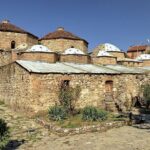
Sinan Pasha Mosque area: Stone Bridge of Love and the bazaar walk
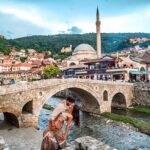
After the museum, the tour shifts to atmosphere. Around Sinan Pasha Mosque, you’ll find the Stone Bridge of Love and the Traditional Bazaar of Prizren, which is presented as the most captivating historic part of the old city.
This is where the tour pays off for photo lovers and shoppers, but it’s also practical. Perfume shops and craft stalls mean you can browse without needing a separate plan for dinner or snacks. Even if you don’t buy anything, you’ll get the sense of how people move through the city day to day.
Pristina on Day 1: National Library and the Newborn Monument
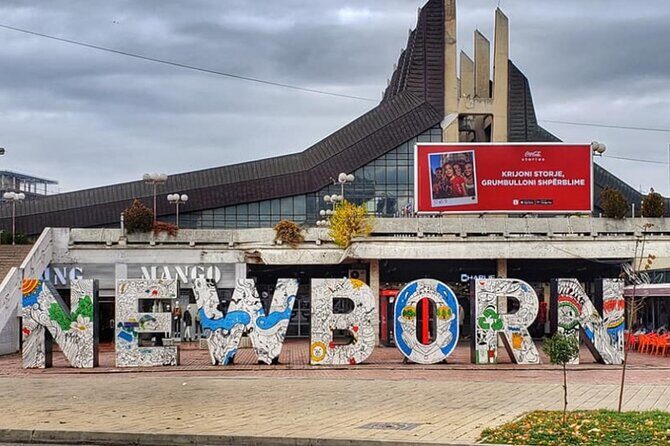
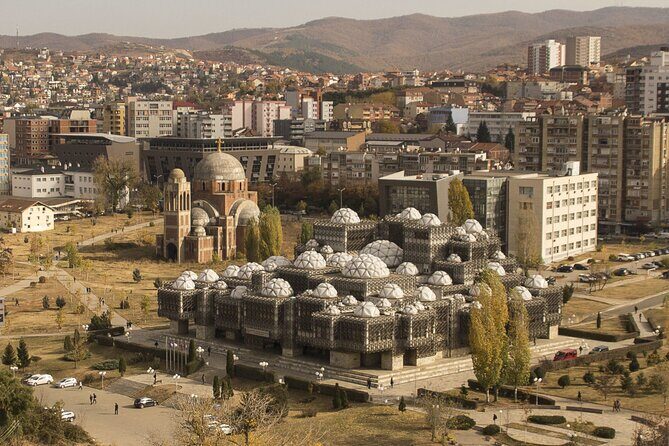
The National Library of Kosovo: Brutalism with layers
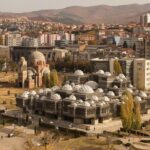
Pristina is a different mood than Prizren—more open, more modern, and easier to read as a city of big institutions. The tour highlights the grand national library, with over two million copies and material that reportedly goes back centuries.
Architecturally, it’s noted for Yugoslavian Brutalism blended with Byzantine, Ottoman, and Serbian design cues. That matters because it turns the library into more than a building photo. It becomes a “why this city looks like this” moment.
Newborn Monument and Mother Teresa Cathedral area
In the city center, you’ll see the Newborn Monument and the Mother Teresa Cathedral. This is your reset stop between history-heavy sites and the switch to Skopje later.
You also get a reminder that Pristina isn’t only monuments; it has ancient Muslim mosques dating to the 14th century. The tour doesn’t try to turn this into a lecture, but it gives you the geography of faith and architecture so you can notice it on your own.
Cross-border to Skopje: a short hop that turns into a whole day
Day 1 ends with a drive to Skopje, described as only about one hour from Pristina. That timing is smart. You’re not wasting the last chunk of the day on another giant detour—you’re setting up a walk in Skopje on Day 2 while you’re still fresh.
Day 2 in North Macedonia: Skopje’s walking loop plus Mother Teresa
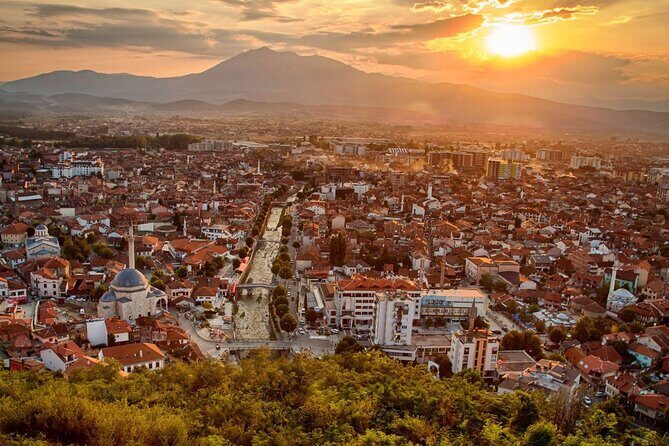
Skopje city center walking tour: two sides of the city
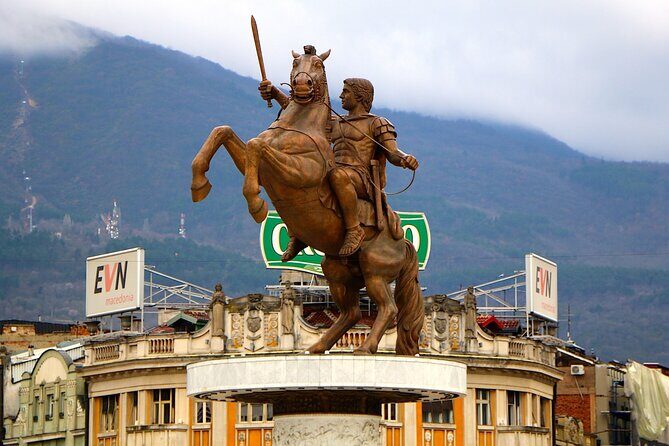
On Day 2, you start with a city centre walking tour. The idea here is simple: get your bearings fast, see how the center looks from different angles, and understand what’s where before you go inside any major sites.
A 15-minute walking start might sound like nothing, but when a tour is this packed, it helps. You’ll spot the monuments and squares later with more meaning, not just more names.
Memorial House of Mother Teresa: the birthplace story
The Memorial House is placed on Macedonia Street in the Centar municipality, at the site of the Sacred Heart of Jesus Roman Catholic Church where Mother Teresa was baptized. The stop focuses on her formative years in Skopje from 1910–1928.
This is a good example of how the tour uses short stops effectively. You’re not stuck for hours, but you leave with a clear, location-based story: you can point to where the life begins, not just read about it.
Skopje Old Bazaar: shopping streets with serious age
Old Bazaar – Skopje: trade hub since the 12th century
The Old Bazaar is described as one of the oldest and largest marketplaces in the Balkans, with history going back to the 12th century. The tour frames it as the center where Skopje grew around the market area, and even today it’s still the heart of commerce.
You also get the big “layers of empire” feeling. The stop notes remains of Byzantine architecture, medieval mosques and churches, museums, and even some modern buildings. That mix is exactly why bazaars are valuable on a short trip: you can learn without being stuck in a single room.
Ohrid: where the lake day becomes the cultural closer
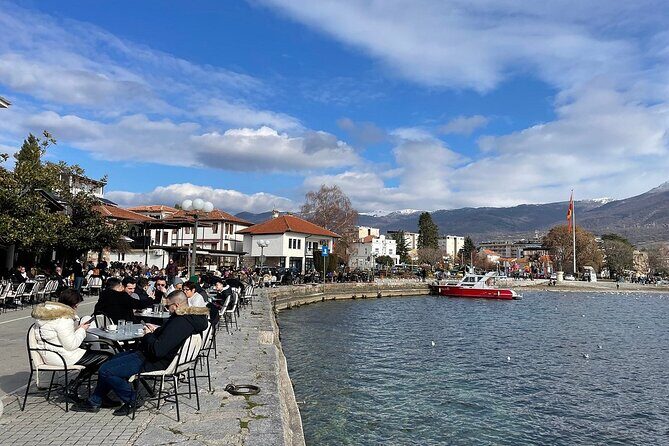
After Skopje, you’re heading to Ohrid after about 3.5 hours of travel. That’s long enough that your body will notice. So I’d treat this part as your reward: once you arrive, you’ll want to walk slowly and take in views rather than rush from one stone step to the next.
St. Jovan Kaneo: the church with the cliffside lake view
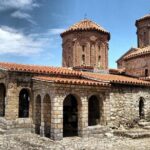
Ohrid’s St. Jovan Kaneo is perched above Kaneo Beach, facing Lake Ohrid. The stop connects the church to John of Patmos, and it notes that some people also associate him with John the Apostle.
The key practical point: admission is not included. Plan for that extra paid stop, and bring the mindset of a quick viewpoint moment rather than an hour-long museum day.
Ohrid Old Bazaar area: stone streets and traditional homes
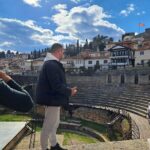
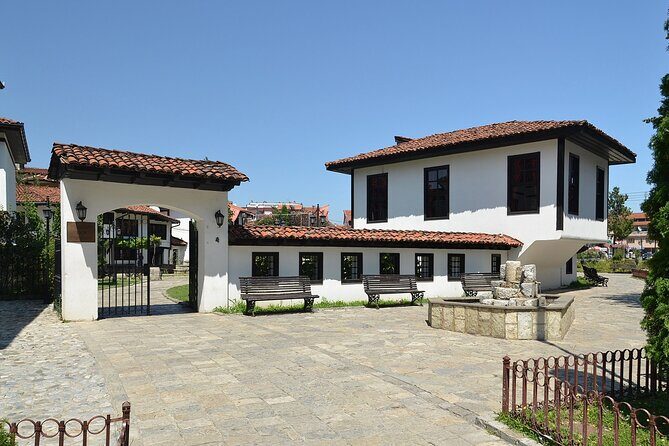
Back in the city center, you’ll visit the old bazaar area where you can observe traditional dwellings. Much of the city is paved with stone, and the tour notes the older name Lyhnidas, derived from Latin for a gemstone-like brightness.
This is a strong finishing stop because it’s sensory. The old market streets are the place where you can finally slow down and connect the earlier history stops with everyday life.
The guide factor: Giulio and Skerdi made the difference
The best feedback you’ll see for this tour isn’t about monuments—it’s about people. Comments highlight guides like Giulio and Skerdi for excellent English and real care. One standout theme is that they reduce stress around the hardest part of the route: borders.
When a tour includes multiple countries fast, border handling can become the bottleneck. The positive reviews specifically mention help with passports at borders and practical support like steering you toward good local restaurants. One review also mentions assistance with ordering vegan food, which tells me the guides are paying attention to real needs, not just a script.
If you care about smooth logistics and a human who knows the route, this is the part you should lean on.
What to pack and how to pace yourself
This itinerary is “see a lot” travel, so your comfort plan matters.
- Bring your passport. The tour explicitly reminds you not to forget it.
- Wear good walking shoes. You’ll be on old streets and bazaar areas, which can be uneven underfoot.
- Bring a light rain layer. One review points out that in November, rain increased road time and made the day feel longer.
- Expect to pay for St. Jovan Kaneo since the ticket isn’t included.
- Plan meals on your own for the 2 lunches and dinner that aren’t part of the price.
And mentally: don’t schedule heavy extras on the same day. With an 8:00am start and big driving distances, you’ll feel it later.
Who this tour suits best (and who should skip it)
This works well if you:
- want a two-country taste without planning every transport link
- enjoy history you can see on streets: bazaars, mosques, monuments, and old city quarters
- like guided structure for fast, unfamiliar routes
It may not fit if you:
- hate long road days (there’s a reason one review said it felt like more time driving than sightseeing)
- need lots of free time in each city to wander independently
- travel during wet months and aren’t okay with delays (rain can stretch road time)
If your priority is depth—like spending a full day in one city—this may feel rushed. But if your priority is breadth and getting oriented, it’s a strong use of two days.
Should you book this 2-day Kosovo and North Macedonia tour?
I’d book it if you want an efficient, guided route that links the historic heart of Prizren, the institutional story of Pristina, and the street life of Skopje and Ohrid in just two days. The price looks fair when you factor in private transportation, a structured plan with mostly free or included admissions, and the guide support that helps keep the day moving.
I’d skip or at least adjust expectations if you’re sensitive to long driving hours or you’re traveling in seasons when rain is likely to slow everything down. In that case, you’ll still see memorable places—you just won’t get the relaxed pacing you might want.
Bottom line: if you’re choosing between “see nothing” and “see everything quickly,” this tour leans clearly toward the second option. For many people, that’s exactly the point.
FAQ
What time does the tour start?
The tour starts at 8:00am.
Is pickup included?
Yes, pickup is offered.
Are meals included in the price?
No. 2x lunch and dinner are not included.
Do I need a passport?
Yes. The tour notes don’t forget your passport. It also warns that border control decisions are outside the provider’s responsibility.
Is admission included for every stop?
Most admissions are listed as free or included, but St. Jovan Kaneo’s admission is not included.
Is this a private tour?
Yes. It’s private, and only your group participates. The tour also uses a mobile ticket, and it’s offered in English.