REVIEW · TIRANA
Tirana and Kruja Full Day Tour
Book on Viator →Operated by Travel Albania · Bookable on Viator
Clock towers and fortresses in one day. This Tirana and Kruja full-day tour strings together Albania’s big story lines in a tight route, with hotel pickup, air-conditioned transport, and entrance fees included. You’ll move through the city’s landmarks first, then head to Kruja for castle museums and the old bazaar.
I especially like that the tour feels organized without feeling rushed—plus you get real guidance at the places that matter. The time on Kruja’s history and crafts is balanced, and guides like Ilir can turn place names into clear context fast. One consideration: it’s a long day (about 6 to 8 hours), so comfortable shoes and patience help, especially if you’re shopping and want extra pauses.
In This Review
- Quick take: what’s great about this day trip
- How the Tirana + Kruja route keeps a full day manageable
- Tirana landmark walk: clock tower, Ethem Bey complex, and Skanderbeg Square
- The Enver Hoxha Pyramid: a former museum with political gravity
- Kruja Castle museums: Skanderbeg Museum plus ethnographic storytelling
- Kruja Bazaar time: shopping without losing the plot
- Traditional lunch option: where it fits and how to budget
- The real secret: guides who can make history usable
- Is $96.12 a good deal for this day trip?
- Who should book this Tirana and Kruja tour
- Should you book the Tirana and Kruja Full Day Tour?
- FAQ
- FAQ
- How much does the Tirana and Kruja Full Day Tour cost?
- How long is the tour?
- Is hotel pickup and drop-off included?
- Are entrance fees included?
- Is lunch included?
- What language is the tour guide?
- How big is the group?
- What sites do you visit in Tirana and Kruja?
Quick take: what’s great about this day trip
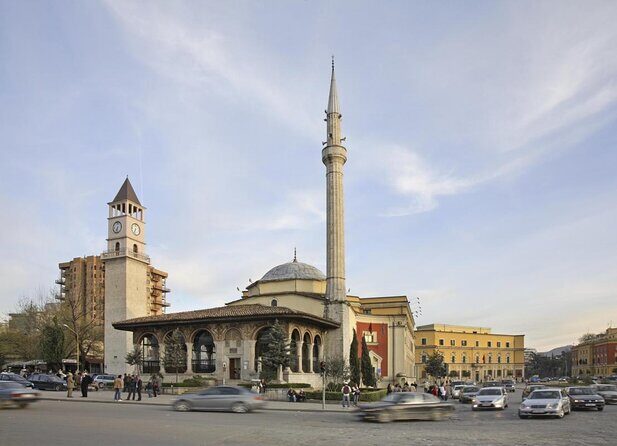
- Clock Tower details you’ll actually remember (including the famous mechanism history and bell story)
- Skanderbeg Square planning and monuments framed in a walk you can follow easily
- Enver Hoxha Pyramid as a former museum structure with a surprisingly specific backstory
- Skanderbeg Castle museums in Kruja with time set aside for both a memorial-style museum and ethnographic exhibits
- Kruja Bazaar time on a market that’s been active for centuries (not just a photo stop)
- Small group size (max 12) with hotel pickup and an English-speaking guide
How the Tirana + Kruja route keeps a full day manageable
This is the kind of tour that works well if you’re short on time but hate the feeling of running around alone. You’re picked up and dropped off from your hotel, then you’re transported in an air-conditioned vehicle. The group stays small (up to 12), which matters in two ways: you can hear your guide on the move, and you’re not stuck in a huge crowd for every stop.
Duration runs about 6 to 8 hours, so yes, it’s a full day. But the schedule is built around compact, high-impact sights: Tirana for the national-capital overview, then Kruja for the heritage and museum block. Entrance fees are included, which is a big deal. It means you don’t have to stop and price-check tickets on the fly, and it also helps keep the day on track.
Price is $96.12 per person, and the value comes from the combination: round-trip transport, a guide, and included admissions for key stops. If you tried to piece it together yourself, you’d likely pay for transportation time and then still need to handle entry tickets separately.
Other Kruja Castle and Old Bazaar tours we've reviewed in Tirana
Tirana landmark walk: clock tower, Ethem Bey complex, and Skanderbeg Square
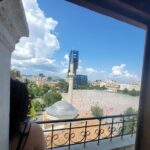
Tirana starts strong, with the kind of sights that give you context instantly—architecture with layers. One of the first stops focuses on the clock tower, including the Ottoman-era Islamic style and the bell story (with the bell noted as coming from Venice). The tower’s mechanism has its own mini-drama: it was damaged during World War I in 1916, then a new mechanism was fitted later, with details about a German purchase funded through the wealthiest families and Tirana Municipality. The watchmakers’ names and the fact that the tower was extended with extra height and a new roof makes this more than a “nice view” stop.
Right nearby, you get the Ethem Bey Mosque complex story—construction begun around 1791 or 1794, then finished around 1819 or 1821 by Haxhi Ethem Bey. The guide-led connection to the historical center is what helps here. You’re not just looking at one building; you’re seeing how the complex fit with other landmarks in the old urban layout, like the old bazaar in front of the mosque.
Then comes Skanderbeg Square, Tirana’s main hub. The Skanderbeg Monument dominates the view, and the square’s scale is clear (about 40,000 square metres). I like how the walk connects planning history to what you see around you, including the city plan influences from Armando Brasini (1925) and Florestano Di Fausto’s Neo-Renaissance style, later updated after the Italian invasion.
Practical tip: this is a good segment for photos, but also for asking your guide what you’re looking at in plain terms. When a guide can explain why a building is here and what era it reflects, the square turns from scenery into a timeline.
The Enver Hoxha Pyramid: a former museum with political gravity
Next you’ll stop at the Enver Hoxha Pyramid, and the key word here is museum. The structure opened on 14 October 1988 as the Enver Hoxha Museum, meant to present the legacy of Albania’s communist leader. The design credits matter: it was co-designed with input from Hoxha’s daughter Pranvera Hoxha (architect) and her husband Klement Kolaneci, plus Pirro Vaso and Vladimir Bregu.
There’s also the cost-and-ambition story. When built, the pyramid was described as the most expensive individual structure constructed in Albania. It also picked up an unofficial nickname at times, linked to the idea of a mausoleum—even if that wasn’t the official intended use.
Your time here is about 30 minutes, and admission is listed as free. That makes it a smart add without turning the day into a half-decision. You can look at the structure, absorb the basic story from your guide, and move on. If you’re curious about twentieth-century Albania, this stop gives you a physical anchor for the period—one you can’t get from a brochure.
Consideration: if you’d rather skip politically heavy sites, you might find this stop emotionally heavier than the rest. On the upside, it’s short, and it’s paired with more outward-looking cultural stops later in Kruja.
Kruja Castle museums: Skanderbeg Museum plus ethnographic storytelling
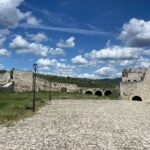
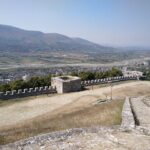
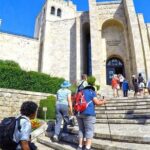
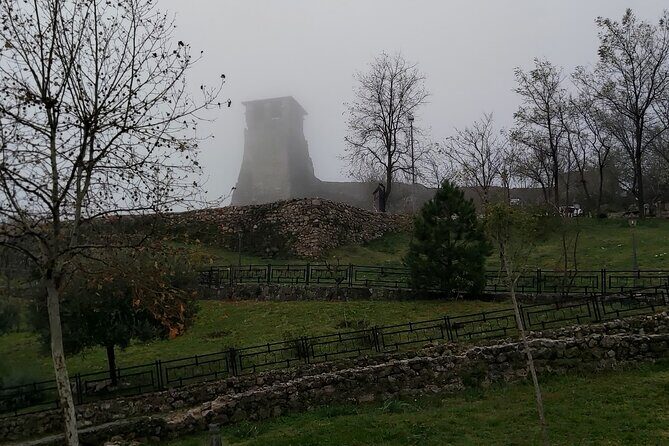
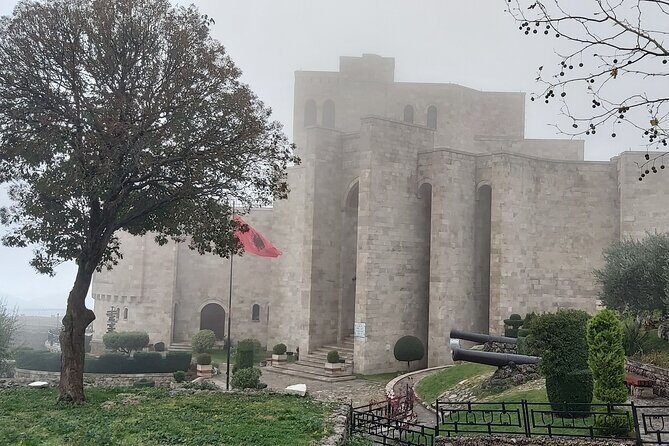
After Tirana, the day shifts into Kruja. The big anchor is the castle area, where the Skanderbeg Museum sits. This museum is one of the most visited in Albania, inaugurated on 1 November 1982, with architecture inspired by traditional Albanian stone towers and medieval Romanesque style. The guide context you’ll get is important: you’re not just visiting a building; you’re visiting a memorial-like experience tied to Kruja’s defensive past.
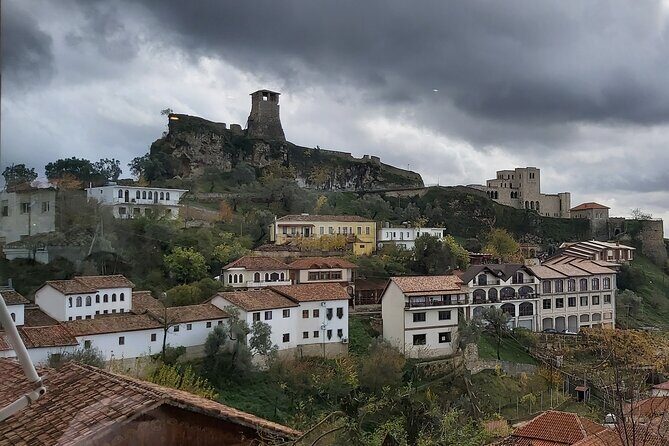
The castle setting adds drama even before you reach museum rooms. Ottoman troops attacked Kruja’s citadel three times (1450, 1466, 1467) and failed to take control. That’s the story the museum name supports: Gjergj Kastrioti Skanderbeg, Albania’s national hero. Expect about 1 hour here, with admission included.
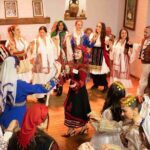
Right after, you’ll visit the Ethnographic Museum of Kruja, about 40 minutes, also with admission included. This is a different angle from the museum above: customs and traditions across centuries. The value of this stop is how it balances the political/hero narrative with everyday life. You’ll come away with a better sense of how traditions are presented and how Albanian identity is explained through material culture and lived customs.
If the group is small and the guide’s pacing is good, this is where the tour starts to feel satisfying rather than just “covering stops.” Museums can become speed-walks on group tours; here, the time blocks are long enough to actually see and ask questions.
Kruja Bazaar time: shopping without losing the plot
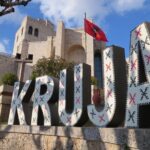
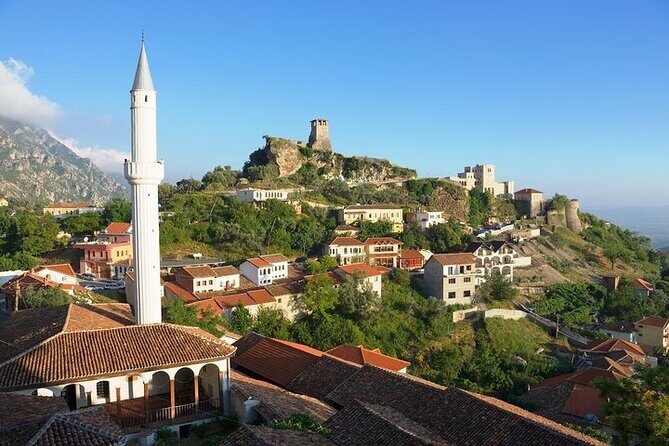
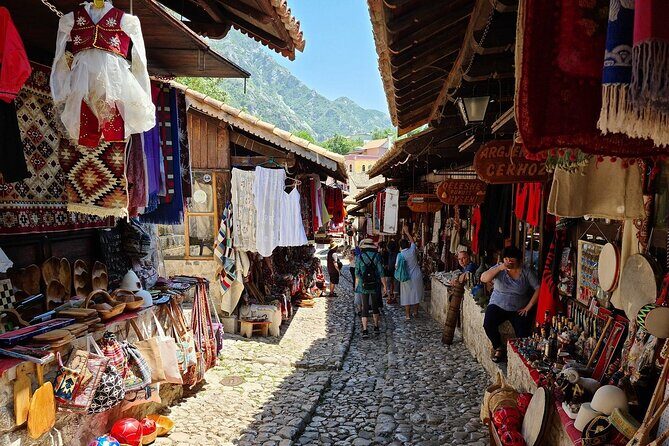
Kruja’s Pazari i Vjeter is the kind of market stop that can go two ways: a quick photo sprint or real free time to browse. Here, you get about 40 minutes, and the bazaar is described as one of Albania’s oldest markets, with history stretching over 400 years. The location is also practical: it’s on the main road leading toward the castle, and it functions both as a museum space and a traditional market.
This is a great window for souvenirs that feel tied to place, not mass-produced. You’ll also get a break from museum walls. Walking the bazaar lanes is a good way to reset after Skanderbeg Museum and ethnography.
What I’d do: if you’re shopping, decide what you want before you buy. Are you looking for textiles, small gifts, or keepsakes? If you wander without a plan, 40 minutes can feel short, especially if you stop for conversation or taste-test anything offered.
Also, watch your timing. The tour is structured so you still get through the day without turning Kruja into a never-ending browse. That’s a feature, not a limitation, if you want to see Tirana too.
A few more Tirana tours and experiences worth a look
Traditional lunch option: where it fits and how to budget
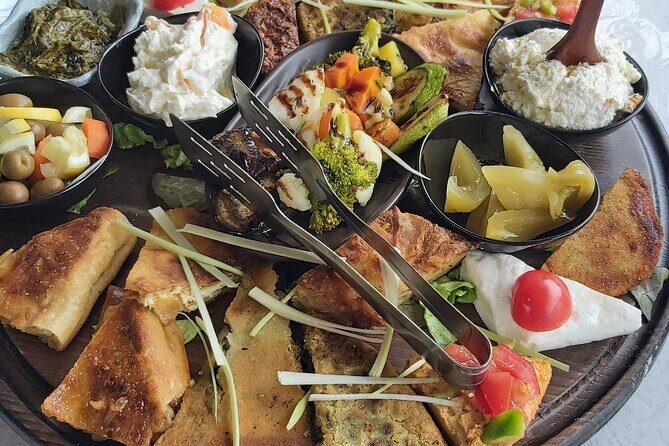
Meals aren’t included, so you’ll either bring your own plan or take the optional traditional Albanian lunch at a local restaurant. This is a popular add-on because it keeps your day grounded in local routine, and it also gives you a breather between the museum-heavy parts of Kruja and the city landmark segment.
If you go for lunch, treat it like part of your schedule. You’ll want to eat when the tour builds in time, rather than trying to squeeze in an extra stop. Prices vary by restaurant and what’s on the menu, so the “value” choice is really about taste and timing.
Money tip: since meals and drinks are not included, it helps to set aside a modest extra amount before you leave Tirana. That way you’re not making panicked decisions when lunch time arrives.
The real secret: guides who can make history usable
This is one of those tours where the guide makes a huge difference, and the names you might hear—Ilir, Iris, Ed, and Illya (driver)—show up repeatedly in positive feedback. The common thread in the best days is simple: clear explanations, room for questions, and pacing that keeps the tour efficient without turning it into a lecture.
If you’re the type who asks why something was built or what changed over time, look for a guide like Ilir. In one day, you’ll hear specific stories: the clock tower’s mechanism history, the construction timeline connected to Ethem Bey, and the museum backstory behind the pyramid. That kind of detail doesn’t feel random when it’s tied to what you’re looking at.
If weather changes the vibe, a good guide helps you adjust without making you feel cheated. One review highlighted a day with less-than-ideal conditions and still praised the guide for going above and beyond. That matters because a day tour depends on good flow.
Is $96.12 a good deal for this day trip?
For $96.12 per person, you’re paying for more than a ride. You’re paying for a structured day that includes:
- round-trip hotel pickup and drop-off
- air-conditioned transport
- an English-speaking guide
- entrance fees for included sites
- time blocks in Tirana and Kruja that actually cover the “big places”
The math gets even better if you’d otherwise spend time figuring out transport between Tirana and Kruja, then paying entrance fees one by one. Because admissions are included, you don’t get stuck mid-day trying to budget on the fly.
My practical take: this is a strong option if you want a single-day plan that hits both capital highlights and heritage Kruja highlights. If you’re in the mood to set your own pace, linger in markets for hours, or take extra detours, you might prefer independent travel. But for a day that balances history and time outdoors, the price-to-coverage ratio looks fair.
Who should book this Tirana and Kruja tour
You’ll like this tour if:
- you have limited time in Albania and want both Tirana and Kruja in one day
- you care about history that connects buildings to real stories (not just dates)
- you want a small group and a guide who can answer questions
- you like museum stops but still want time to walk, shop, and breathe
It also fits families in a practical way because children must be accompanied by an adult, and the tour is listed as something most travelers can participate in. The walking is manageable for many people, but it’s still a full day—so plan for shoes that can handle uneven pavement in historic areas.
People who might not love it: if you hate tight schedules, or if you only want one of the two cities, this tour’s structure might feel like you’re moving too fast.
Should you book the Tirana and Kruja Full Day Tour?
If you’re choosing between a “see everything” plan and a relaxed wandering day, I’d book this one if you want a balanced hit list with included entrances and transport. The route is built around places that explain Albania’s layers: Ottoman-era urban traces in Tirana, twentieth-century political architecture in the pyramid, then the Skanderbeg-focused castle museums in Kruja.
I’d also book it if you value guides who can make specific details click—clock tower mechanism stories, construction timelines, and why Kruja’s fortress history matters. With a group capped at 12 and English service, it has the feel of a day trip designed for real learning without turning into a marathon.
FAQ
FAQ
How much does the Tirana and Kruja Full Day Tour cost?
It costs $96.12 per person.
How long is the tour?
The tour lasts about 6 to 8 hours.
Is hotel pickup and drop-off included?
Yes. Hotel pickup and drop-off are included, along with round-trip transport from Tirana.
Are entrance fees included?
Entrance fees are included for the sites marked as included on the tour.
Is lunch included?
Meals and drinks are not included. Traditional Albanian lunch is optional at a local restaurant.
What language is the tour guide?
The tour is offered in English.
How big is the group?
The tour has a maximum of 12 travelers.
What sites do you visit in Tirana and Kruja?
In Tirana, you’ll visit stops including the clock tower area, relevant historical mosque area, Skanderbeg Square, and the Enver Hoxha Pyramid. In Kruja, you’ll visit the Skanderbeg Museum, the Ethnographic Museum, and the Pazari i Vjeter (Kruja Bazaar).