REVIEW · TIRANA
Kruja Castle ,Sari Salltik & Durrës fromTirana
Book on Viator →Operated by Guidealbania · Bookable on Viator
Castle above a bazaar, ruins by sea. This day trip strings together Kruja Castle and the Skenderbeg Museum, then heads to Durrës for Roman and Byzantine sights, finishing with mountain views at Sari Salltik. I like how it’s built for comfort with hotel pickup and an air-conditioned vehicle, and I like that you get a real guide for context instead of just wandering. The main drawback is pacing can feel tight, with shorter free time windows in some moments.
You’ll meet your guide at your hotel at the appointed time, in a small group capped at 15. Expect a guided route that covers multiple eras—Ottoman-era Kruja, Roman and Byzantine Durrës, plus a religious stop on Mount Krujë—while keeping things moving over an 8 to 9 hour day. One more note: the vehicle size can feel snug if you’re traveling as a small family or group of four.
In This Review
- Key things that make this tour worth your time
- How Kruja and Durrës fit into one full day
- Pickup and air-conditioned comfort: how the day runs
- Kruja Castle and Skenderbeg Museum: the 15th-century showdown
- Old Bazaar of Kruja for Ottoman-style browsing
- Durrës in layers: amphitheater, Byzantine Forum, and Venetian towers
- Roman amphitheater and trading remnants
- Venetian Tower and Durrës Castle views
- Byzantine Forum, Italian-style street, Durrës promenade, and the sea air reset
- Byzantine Forum (Macellum): architecture with a purpose
- Italian-style street from King Zog’s era
- Promenade Park (Shetitorja Vollga): where the day cools down
- Sari Salltik shrine on Mount Krujë: a spiritual stop with big views
- Value, timing, and who this tour suits best
- Should you book this Tirana day trip?
- FAQ
- What is the total duration of the tour from Tirana?
- Does the tour include hotel pickup in Tirana?
- What does the price include for Kruja and Durrës?
- Is lunch included?
- How big is the group?
- Is a mobile ticket used?
- Is there free cancellation?
Key things that make this tour worth your time

- Hassle-free pickup from your Tirana hotel, then an air-conditioned ride between towns
- Kruja Castle + Skenderbeg Museum as the historical heart of the day
- Old Bazaar of Kruja with Ottoman-style lanes and a 400+ year story
- Durrës in layers: amphitheater, Byzantine Forum (Macellum), and Venetian-era towers
- Sari Salltik shrine for a spiritual pause and panoramic views above Krujë
How Kruja and Durrës fit into one full day
This is a classic Albania day-trip format: start in the mountains, drop down to the Adriatic, and end with a viewpoint. Kruja gives you Albania’s resistance story in the 15th century through Skenderbeg’s legacy, while Durrës shows how power and trade kept stacking up over centuries—Roman, Byzantine, Venetian, and later influences under King Zog.
What makes this tour practical is the balance between walking and guided time. You’re not just driven from one stop to the next. You get enough structure to understand what you’re seeing, especially at the places where ruins feel like “stones until someone explains the shape.”
If your goal is to get your bearings quickly—especially if you’re only in Tirana for a short stay—this route is one of the easier ways to cover a lot of ground without turning the day into a logistics puzzle.
Other Kruja Castle and Old Bazaar tours we've reviewed in Tirana
Pickup and air-conditioned comfort: how the day runs
The day starts with straightforward hotel pickup. You wait for the guide at the appointed time at your hotel, then you head for Kruja (about 1 hour 30 minutes by road).
The tour runs on a schedule with multiple timed stops. That’s why it works so well for first-timers, but it’s also why it can feel rushed if you want long breaks. One person pointed out the day moved fast and free time felt limited, and another said they would have liked more leisurely options at Kruja.
Group size is capped at 15, which helps keep the vibe friendly and the guide able to manage the route. Still, the vehicle itself can be small—one family of four reported the ride felt cramped because the vehicle held only 5 people including the driver. If you’re tall, have lots of bags, or you’re traveling as a group, pack light and plan to keep the footprint tight.
Kruja Castle and Skenderbeg Museum: the 15th-century showdown
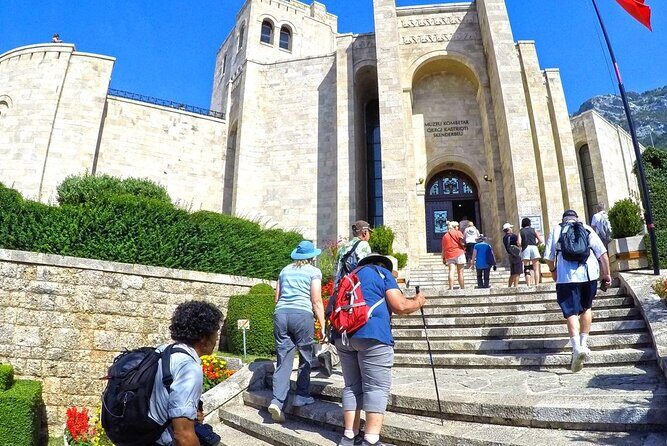
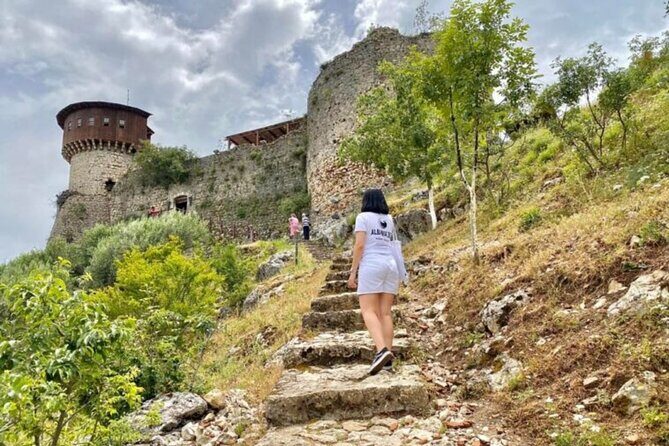
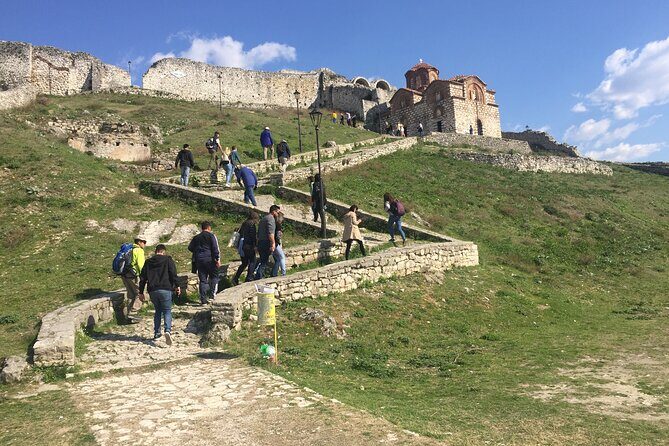
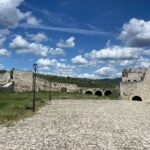
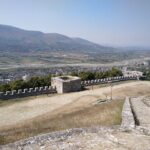
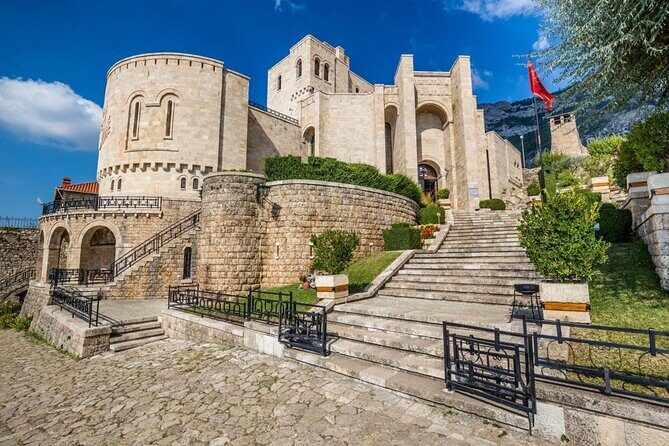
Kruja Castle is the emotional center of the trip. The first stop takes you to the castle and the Museum of Skenderbeg, where you learn how Albanian resistance—led by Skenderbeg—held out against the dominant Ottoman Empire in the 15th century.
Inside the castle area, you’ll walk through spaces connected to the old life of the fortress: the old road and the houses of the castle. Even if you’re not a big museum person, this is the kind of visit where walking the layout helps the story make sense. You also get a photo window over the mountains and the city of Krujë, which is one of those moments where the effort of getting there pays off.
Admission is listed as included for the castle stop, but real-world experiences can vary with tickets at the entrance. One guest reported a small separate ticket cost for entering the castle museum area (around 5€). So if you like to travel with certainty, keep a little cash or card buffer ready for a quick add-on.
Practical tip: the castle grounds involve walking. Wear shoes you trust on uneven surfaces, and give yourself time to look around before you jump to photos. The guide’s job is to point out what to notice, like how the fortress layout connects to the resistance story.
Old Bazaar of Kruja for Ottoman-style browsing
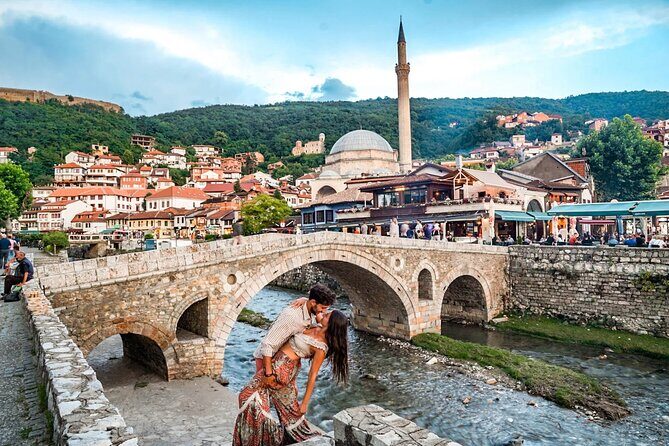
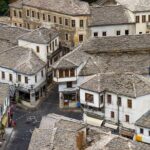
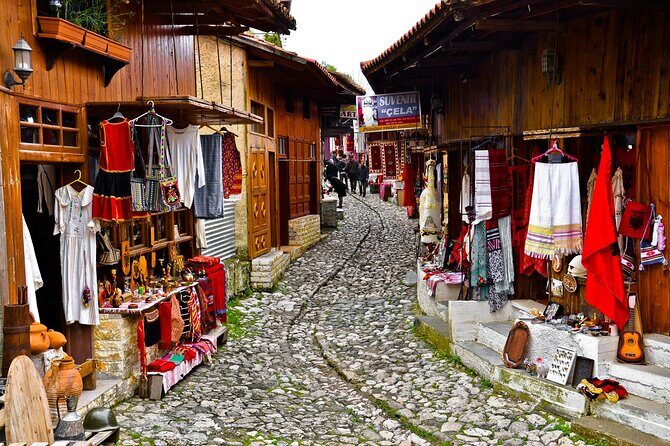
After the castle, you continue to the Old Bazaar of Kruja, one of the oldest marketplaces in Albania with an original trading core dating back over 400 years. You’ll spend about 2 hours here, with admission listed as included.
This is less about buying souvenirs at any price and more about getting the feel of a traditional Ottoman-style market. The bazaar stretches along a long, covered-style layout, and it’s an easy place to reset after the castle climb. You can snack, browse crafts, and watch everyday market rhythm.
If you’re short on shopping stamina, treat this like a “taste stop.” Spend the first 15 minutes getting oriented—then pick one or two items you genuinely want (coffee, small crafts, spices, or local textiles) instead of trying to cover everything.
A heads-up from experience on this kind of schedule: the bazaar portion is timed, and the tour day is designed to keep moving. If you want a slow, sit-down lunch in Kruja itself, you may find the day’s structure doesn’t fully support that. For many people, the best solution is to use the promenade in Durrës for your longer meal.
Durrës in layers: amphitheater, Byzantine Forum, and Venetian towers
Durrës is where the trip shifts tone from fortress and rebellion to stone-and-sea power. The city is described as founded in 627 B.C., and the tour focuses on recognizable landmark anchors that map the eras for you.
Other Durres tours we've reviewed near Tirana

Roman amphitheater and trading remnants
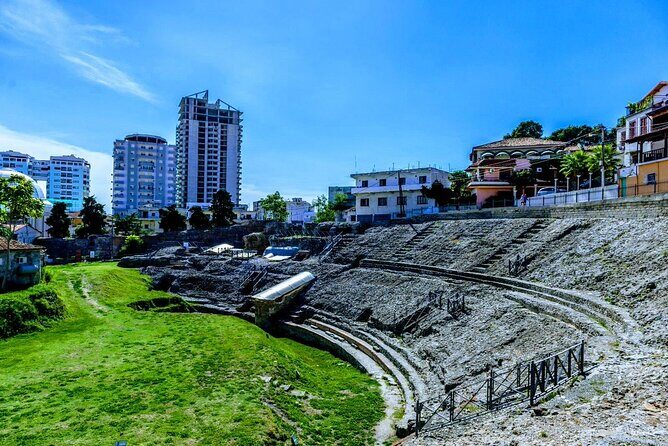
You’ll visit the Durrës Amphitheater, built in the early 2nd century. It’s one of the largest amphitheaters in the Balkans, and it once held around 20,000 spectators for gladiator games and performances. This is a big open structure, and with a guide, you can understand its purpose fast: it wasn’t just entertainment; it was a public statement of Roman authority.
The route also includes the Old Byzantine Market remnants—snippets of the commercial center beneath later layers of city life.
Venetian Tower and Durrës Castle views
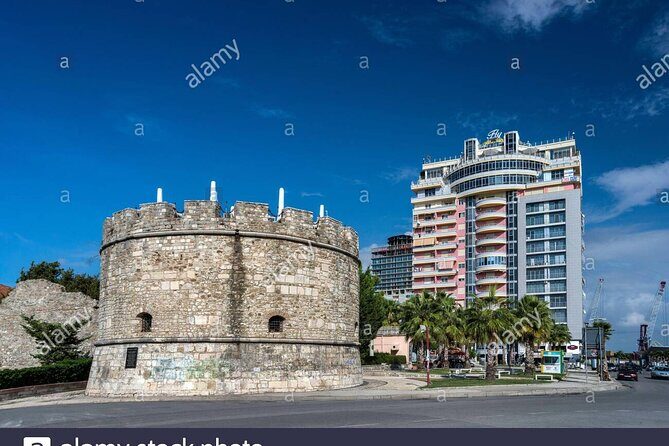
From there, the tour brings you to the Venetian Tower (a 15th-century fortress marker) and later to Durrës Castle, a citadel attributed to the Byzantine Emperor Anastasius I (5th century). Within the castle, the Venetian Tower addition gives you a mix of medieval and Ottoman-influenced styles, plus panoramic photo potential over the city and coastline.
Admission for these Durrës stops is listed as free in the itinerary. Still, remember that ruins and outdoor sites can feel faster than you expect. If you like to linger, keep an eye on how the group timing feels.
One of the best ways to enjoy Durrës on this day is to treat each stop like a puzzle piece. The amphitheater explains mass public life; the market remnants connect to trade; the towers show defense and control. When you see them in sequence, the city’s timeline stops feeling random.
Byzantine Forum, Italian-style street, Durrës promenade, and the sea air reset
Two of the stops focus on the “in-between” layers—places where the city didn’t just fight or entertain, but organized public religious and civic life.
Byzantine Forum (Macellum): architecture with a purpose
At the Byzantine Forum (Macellum), you’re looking at a site dated to the 6th century, associated with Emperor Anastasios I (481–518). The forum functioned as an important public and religious center, and you can still see the circular colonnades and remains tied to the ancient city of Dyrrhachium (modern Durrës).
This part works well with a guide because you’re not standing in front of a single “wow” monument. You’re reading a layout. The tour helps you understand why those circular shapes matter.
Italian-style street from King Zog’s era
You’ll then walk along an Italian-style street built in the early 20th century during King Zog’s reign. It’s a quick change in vibe: you go from Byzantine forum fragments to a more European-looking street line. It adds texture to the day because Albania didn’t live in one historical box.
Promenade Park (Shetitorja Vollga): where the day cools down
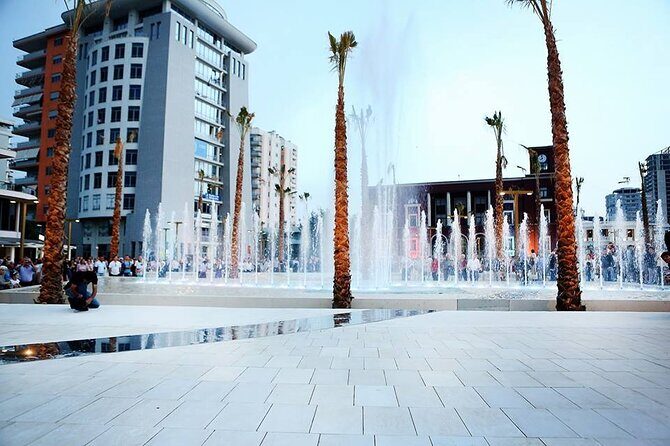
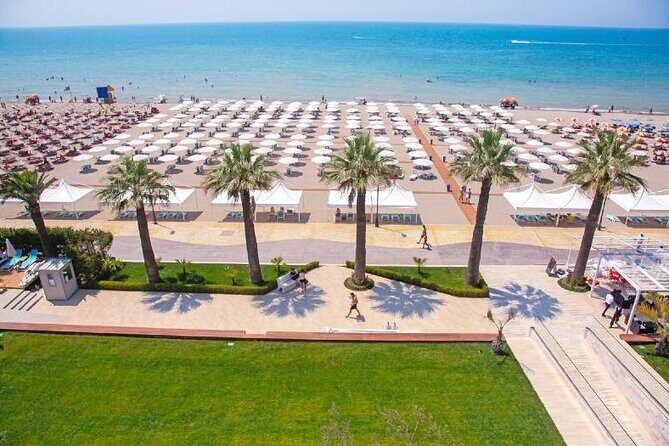
After ruins and street archaeology, you get a break at the Durrës promenade, Shetitorja “Vollga.” This is the kind of stop that turns a history day into a real trip day.
You’ll stroll along the coastal boulevard lined with palms, cafés, and restaurants. The tour also notes the chance to take a swim, and lunch is described as optional at a seafood restaurant by the coast. If you want the best value from this tour, plan to use the promenade time for your longer meal—seafood in Durrës is a natural match for ending the day by the water.
Practical tip: if you’re prone to sunburn or heat stress, bring water and shade protection. Outdoor sites add up quickly even when you’re not moving constantly.
Sari Salltik shrine on Mount Krujë: a spiritual stop with big views
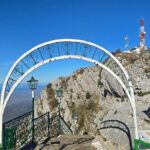
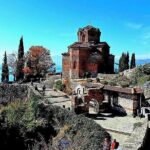
The final move is back toward Krujë’s wider surroundings with a stop at Sari Salltik. This is a historic Bektashi shrine on Mount Krujë above the city of Krujë, dedicated to the 13th-century dervish and folk saint Sari Saltik.
The tour frames it as a spiritual center where many people believe in turning bad luck into good luck. Even if that’s not your belief system, it’s still a meaningful cultural stop. Shrines like this are where “history” becomes lived tradition.
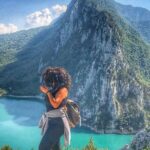
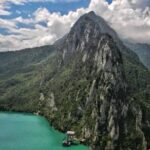
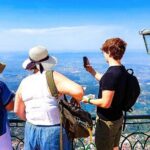
The other real reason to go: panoramic views over the Adriatic coast. On a day full of ruins and stone, that view helps you recalibrate. It also makes a strong photo moment without needing a ticket or a long walk.
Time is about 45 minutes here, so it’s not meant to be a long sit. But it’s enough for a quick visit and getting the view.
Value, timing, and who this tour suits best
Price is listed at $84.10 per person for an approximately 8 to 9 hour day. For that, you get hotel pickup, an air-conditioned ride, a guide for context, and structured access to the main highlights.
What you’re really paying for is efficiency plus explanation:
- Kruja Castle and Skenderbeg Museum are the key included historical anchors.
- The Old Bazaar of Kruja is also listed with admission included.
- Durrës landmarks and the archaeological stops are largely marked as free in the itinerary.
- Optional lunch is on you, but you’re guided to the right moment to take it.
The biggest trade-off is pacing. Some people loved the speed and variety; others wanted more slow time in Kruja or more breathing room at each stop. If you’re the type who wants to stay an extra hour in one place, consider that this tour is designed to cover a lot in one day.
Who I’d tell to book:
- First-time visitors to Tirana who want mountains and sea in one outing
- People who like guided storytelling and photo stops
- Anyone who wants a structured Albania overview without planning transport between cities
Who should think twice:
- If you’re very sensitive to time pressure
- If you want a long lunch break or lots of free wandering time at each stop
- If you’re traveling as a group of four and comfort in a small vehicle matters to you
Should you book this Tirana day trip?
If you want a well-structured day that hits the big emotional beats—Skenderbeg in Kruja, Roman and Byzantine Durrës, and a mountain shrine with sea views—this one is a strong choice. The rating is 4.7 from 30 reviews, and 93% of people recommend it, which matches what the itinerary is trying to do: cover the highlights with a good guide and sensible timing.
Book it if your priority is seeing a lot with explanation. Skip it if your priority is slow travel and deep time in a single place.
FAQ
What is the total duration of the tour from Tirana?
It runs about 8 to 9 hours.
Does the tour include hotel pickup in Tirana?
Yes. Pickup is offered, and you meet the guide at your hotel at the appointed time.
What does the price include for Kruja and Durrës?
The itinerary lists admission as included for the Kruja Castle and the Old Bazaar of Kruja, while Durrës landmarks and the Byzantine Forum/Italian-style street are listed as free.
Is lunch included?
Lunch is optional. The tour notes that you can enjoy seafood lunch at a seafront restaurant in Durrës.
How big is the group?
The tour has a maximum of 15 travelers.
Is a mobile ticket used?
Yes, mobile tickets are included.
Is there free cancellation?
Yes. Free cancellation is available up to 24 hours before the experience start time for a full refund.