REVIEW · TIRANA
Southern Albania: Culture and nature adventure
Book on Viator →Operated by See Trips · Bookable on Viator
Seven days, and southern Albania clicks into focus. This trip mixes bird-filled lagoons with castle towns and ancient ruins, so you’re never stuck doing the same kind of sightseeing. I especially love the Karavasta boat ride and the UNESCO-listed Gjirokaster walk-and-fortress day. The only real drawback is the pace: it’s a road trip with plenty of time in transit.
What makes it feel easier is the human side. You’re traveling with an English-speaking guide/driver, and in this operator’s network you may run into familiar names like Gezim on the planning side, with guides such as Samet, Sam, or Denis showing up for South Albania work—and the driver Semet gets credit for being accommodating. One practical thing to know: your accommodation is in shared rooms, so you’re pairing up with other people (though couples booking together are matched).
At $1,155.95 per person for about 7 days, it’s not a “cheap and cheerful” deal. It’s closer to a value package because transportation, multiple entrance fees, and 6 breakfasts are handled. If you’re the type who wants hours of free time with no schedule, you might find the plan a bit tight.
In This Review
- Key things that make this Southern Albania trip work
- Southern Albania from Tirana: what the 7-day rhythm feels like
- Karavasta Lagoon and Berat’s castle-town blend on Day 1
- Apollonia, Vlore promenade time, and Narta Lagoon wildlife on Day 2
- Dhermi, Qeparo, Himare, and Porto Palermo: the Riviera road trip on Day 3
- Butrint to Ksamil to the Blue Eye to UNESCO Gjirokaster on Day 4
- Ali Pasha territory, Peshtura Waterfall, and the Vjosa valley culture on Day 5
- Benja Thermal Baths, Germenj rural farm time, and Voskopoje Orthodox charm on Day 6
- Korce’s Little Paris vibe and Lake Ohrid shores on Day 7
- Price and included tickets: where your money really goes
- What to pack for this kind of southern Albania week
- Who this tour suits best (and who might not love it)
- Should you book this Southern Albania culture and nature adventure?
- FAQ
- How long is the Southern Albania tour?
- Where does pickup happen?
- Is the tour offered in English?
- What’s included in the price?
- Are lunch and dinner included?
- What’s the maximum group size?
- Do I need to pay for attraction tickets separately?
- Is cancellation refundable, and how much time do I need?
Key things that make this Southern Albania trip work
- Karavasta Lagoon by boat: big birds, quiet water, and a break from walking tours
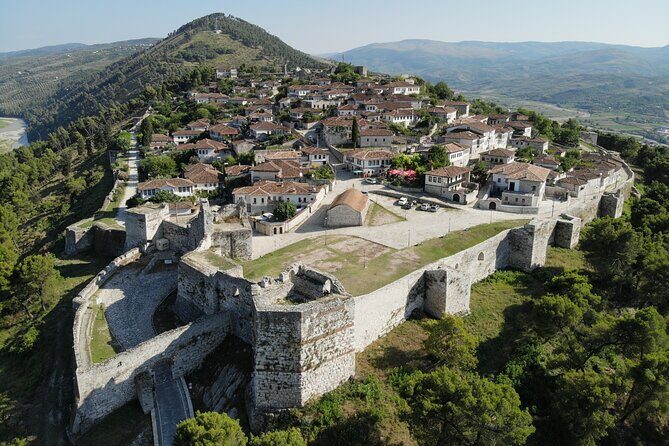
- Berat’s layered town center: churches, mosques, and Ottoman-era textures in one compact area
- Apollonia + Apollonia’s setting: Greek and Illyrian heritage in a dramatic ruin park
- Albanian Riviera villages: Dhermi, Qeparo, Himare—small towns with real holiday energy
- Butrint to Gjirokaster: ruins in nature, then Stone City on the hill
- Thermal baths and mountain springs: Benja Baths plus Peshtura Waterfall and rural farm time
Southern Albania from Tirana: what the 7-day rhythm feels like
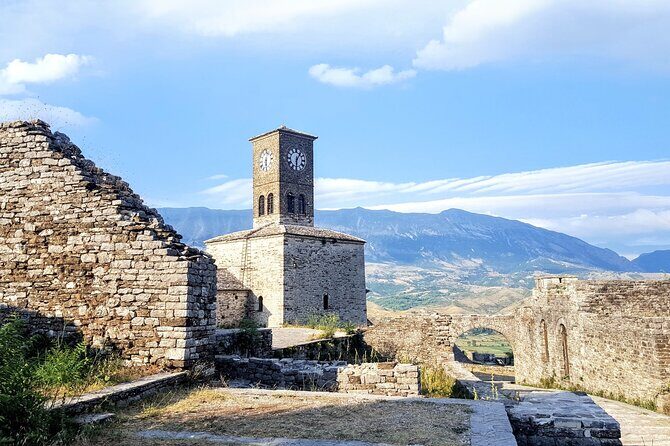
This is a structured adventure, not a “wander whenever you want” tour. You’ll start around Tirana with pickup options from hotels in Tirana or Durres (and also the airport), then spend the week working your way down and back through coast, mountains, and inland valleys.
The good part: the driving is built around high-value stops—places where you’d have trouble stitching together an efficient route on your own. The trade-off: you should expect long scenic drives, especially on coastal stretches and when heading toward the Vjosa valley.
You’ll also travel in a small group (max 8), which matters. Fewer people means the day moves with fewer delays, and the guide can explain more without herding a crowd.
If you're still narrowing it down, here are other tours in Tirana we've reviewed.

Karavasta Lagoon and Berat’s castle-town blend on Day 1
Day 1 is a smart opener because it doesn’t start with a museum and it doesn’t start with a long hike. You begin at Laguna e Karavastase (Karavasta Lagoon), where a boat tour lets you slow down and look for wildlife. This is Albania’s wetland mood: birds, water, and that calm feeling you don’t get in big-city travel.
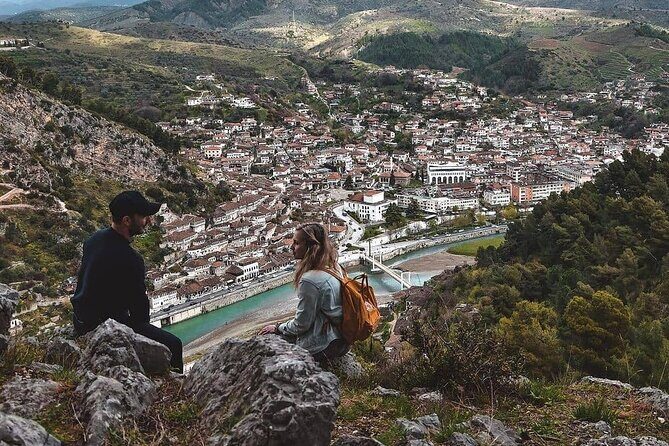
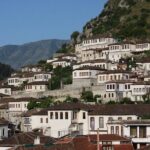
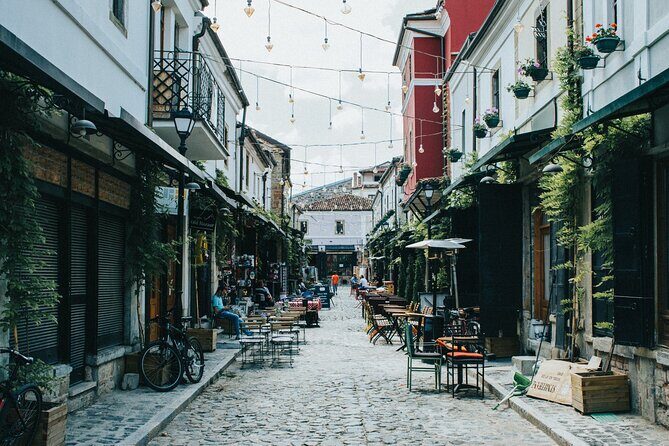
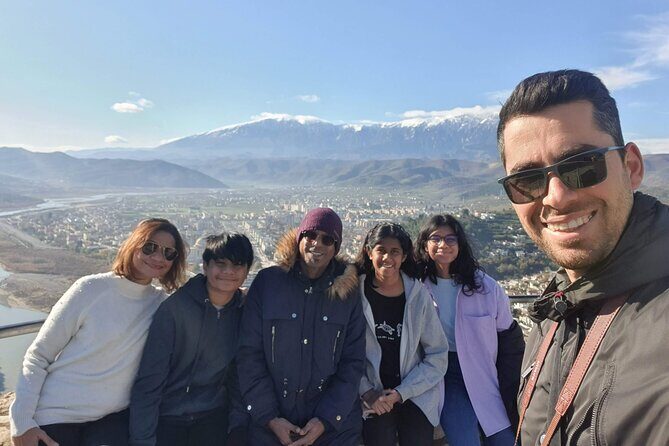
From there, you head to Berat, one of Albania’s most rewarding towns for architecture lovers. You’ll visit the ancient castle area, wander the cobblestone streets, and see the mix of religious landmarks that give Berat its character—St. Mary church, King’s Mosque, and Halveti Tekke. You’ll also get views toward Mount Tomorr, which helps you understand why this town became a stronghold.
What I like about this day is that it balances history with atmosphere. After the fortress and monuments, you end with a stroll along the Osum River, including the Mangalem and Gorica neighborhoods. It’s the kind of walking that feels local, not staged.
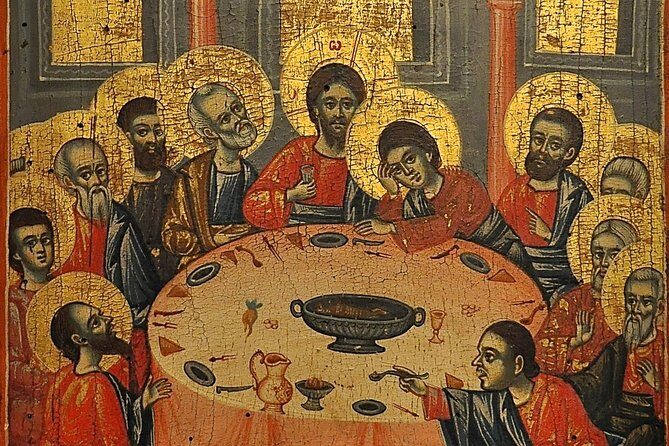
There’s also an included cultural stop in Berat: the Iconographic Museum of Onufri. If you’re even slightly curious about Albanian religious art, this is a great way to round out the day without making it all outdoor sightseeing.
Apollonia, Vlore promenade time, and Narta Lagoon wildlife on Day 2
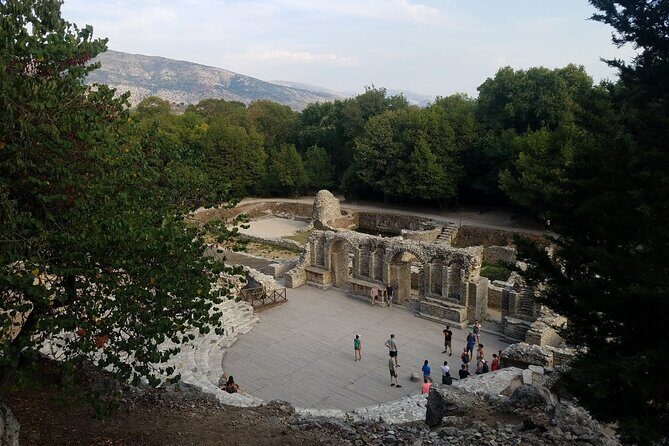
Apollonia is your history anchor on Day 2. You’ll head to the Apollonia Archaeological Park, an ancient city tied to Greek and Illyrian heritage. The ruins aren’t just sitting there—they’re surrounded by scenery that makes the place feel more like a lived-in old world than a checklist item.
Then you shift to Vlore, famous for being tied to Albania’s independence from the Ottoman Empire. Your guided walking tour focuses on Independence Square and the sea promenade, which is a nice change of tempo after long ruins time. It also helps you get a sense of how people use the coastline now, not just how it was used centuries ago.
The day doesn’t end with monuments, though. You finish with Narta Lagoon and Zvernec Island, where wildlife spotting becomes part of the plan. You’re in the right habitat for impressive birds—Dalmatian pelicans and flamingos are specifically mentioned—and the Mediterranean pine forest adds shade and a softer pace.
Practical note: this is the kind of day where good walking shoes matter. You’re moving through town centers and then back toward natural paths near the lagoons.
Dhermi, Qeparo, Himare, and Porto Palermo: the Riviera road trip on Day 3
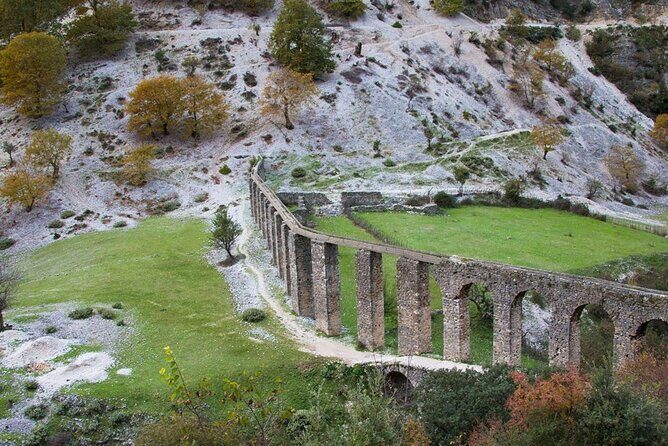
Day 3 leans into “coastline with character.” You travel along the coastal road and stop in a handful of towns that feel like real vacation places, not just scenic backdrops.
Dhermi is known for beaches and an old town feel, and the stop is short enough that it stays light. Qeparo is different: old houses high on the hill, facing the Ionian Sea, with that slightly mysterious, high-perch vibe. Himare keeps the warmth going with friendly locals and heavy summer activity—so you’ll feel the coastal rhythm right away.
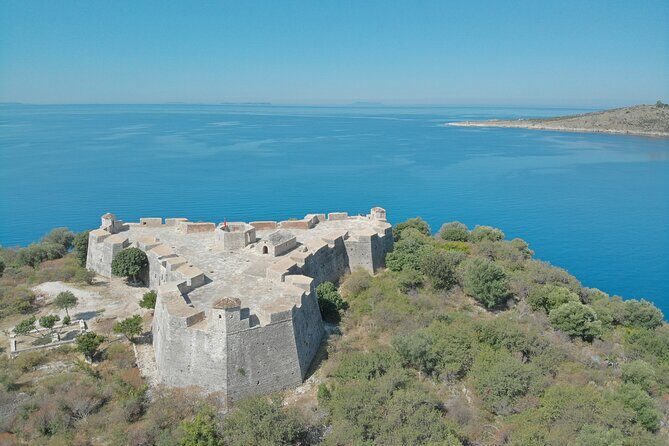
After those village stops, you move to Porto Palermo Castle, built as a defensive fortress by Ali Pasha Tepelena in the 18th century. This is a good contrast to the earlier beach towns because you get stone, strategy, and a coastline vantage point. It’s the kind of site that makes you slow down and look outward.
The day ends in Saranda, which is described as the most visited spot on the coast. The vibe shifts—more nightlife energy, lots of seafood options, and plenty of room for an easy walk through the city. If you like mixing sightseeing with meals and people-watching, Saranda is a solid finale.
Butrint to Ksamil to the Blue Eye to UNESCO Gjirokaster on Day 4
Day 4 is a “big days” combination: ancient ruins, beaches, springs, then a hilltop UNESCO town.
You start with Butrint National Park, where the ruins stretch back to the 8th century B.C., and the site reflects layers from Illyrians and Greeks to Romans and Byzantine periods. Your guided walk is placed inside a natural setting, so you’re not just seeing stones—you’re experiencing the park’s atmosphere as part of the visit.
Next come Ksamil Islands, known for sandy beaches and views toward Corfu, only about 4 km across the sea. Even if you don’t plan to swim, it’s one of those stops where the scenery does half the work for you.
Then there’s a practical refreshment stop: the Blue Eye springs. It’s included with time to stop, grab a drink, and reset before the next long sightseeing chunk.
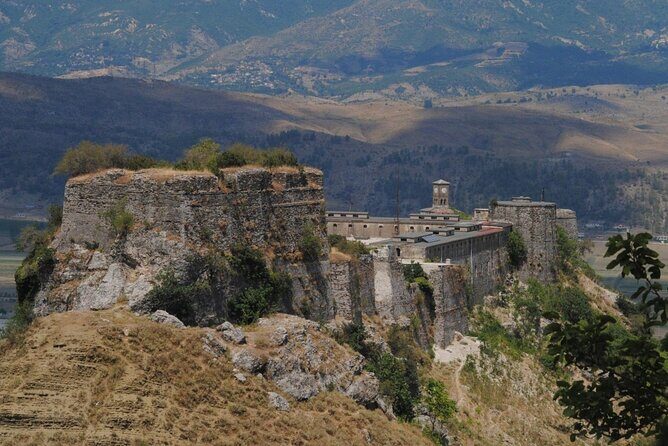
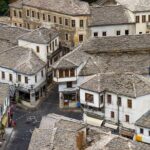
From there, you head to Gjirokaster, the UNESCO World Heritage city in Albania. You’ll hear why it’s called Stone City and walk through key spots like the old bazaar, the castle area, the bazaar mosque, and the Gjirokaster Obelisk. The town’s architecture is the show here, especially if you like how a city layout tells you where power and trade moved.
The day doesn’t stop after the walking tour, either. You’ll also visit Gjirokaster Castle with included entry. Being on that hill makes the whole town and valley feel visible at once, and it’s a fitting end to a day packed with different kinds of history.
Ali Pasha territory, Peshtura Waterfall, and the Vjosa valley culture on Day 5
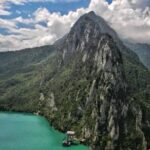
Day 5 is where the tour shifts away from the coast and into mountain and river-country. You start in Tepelene, tied to Ali Pasha’s birthplace, with the included viaduct of Ali Pasha from the 19th century as proof of the area’s development during his reign.
Then you head toward the mountains and a newer-feeling route option: Nivice village is described as newly discovered and slowly becoming part of packages. It’s a good reminder that this isn’t only about the old crowd-pleasers—you’re also getting newer scenery and rural views.
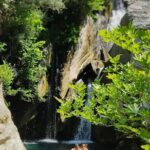
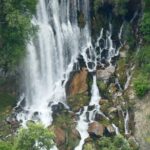
Along the way, you stop at Progonat, then explore Peshtura Waterfall. It’s accessible with a short walk from the village to karst springs, and the idea is simple: see the clear water and enjoy it if you’re up for it. This is a strong day for photos, but it’s also a good day for people who like short walks with a pay-off.
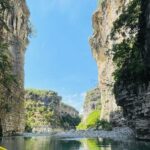
In Nivice, you get canyon views and lunch as part of the plan. That’s an important detail for value: not having to figure out food logistics every time makes the day easier.
After lunch, you move to Permet, set in the Vjosa River valley. Permet is described as relaxed, with friendly people and a food-and-drink identity—raki, gliko (fruit jam), and rose flowers. It’s a slower-feeling stop after the earlier sightseeing, and it gives you a more local taste of southern Albania.
Benja Thermal Baths, Germenj rural farm time, and Voskopoje Orthodox charm on Day 6
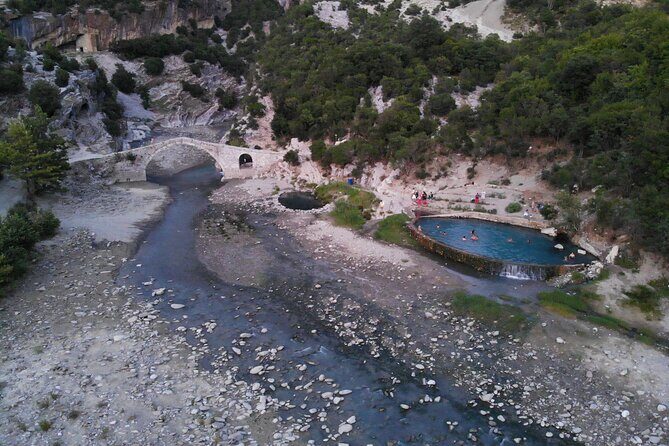
Day 6 is a nice change of pace because it includes rest-friendly activities. You start with Benja Thermal Baths, with time to swim inside the thermal area. After days of walking and touring, warm water is a great way to reset tired legs.
You also get a walk by Kadiu bridge, which is the kind of quick scenic stop that keeps the day from turning into only “activity time.” It’s short, but it breaks the day into layers.
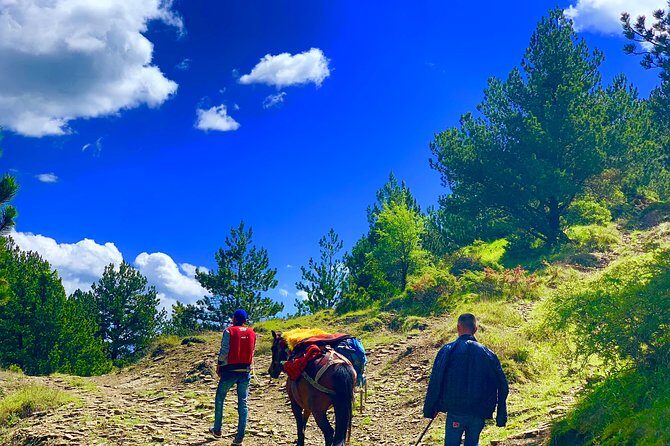
Next is Germenj, a route through green valleys, deep forests, and rural mountains. It’s also described as less inhabited, and you’ll stop at a small local farm to try fresh products. You can also spend time with horses there, which is one of those human-scale experiences that makes the day feel less like transport and more like time spent with people.
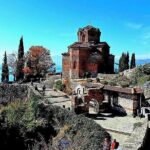
Then you finish with Voskopoje, a village with big cultural importance in the region. It used to be a center of southeast Albania during medieval times, and your walk focuses on orthodox churches plus the feel of village life. If you enjoy architecture and religious sites that aren’t built to entertain tourists, this is a good day for that.
And yes—there’s an included cultural entry point here: the St. Nicholas church in Voskopoje.
Korce’s Little Paris vibe and Lake Ohrid shores on Day 7
Day 7 brings you toward the end in two steps: a mountain-city feel in Korce, then a lakeside wrap-up on Lake Ohrid (Albanian shores).
Korce is often nicknamed the Little Paris, linked to its First World War-era mystic history, plus its old bazaar and stylish houses. It’s a town stop that gives you one last dose of urban culture before the trip ends.
Then you head to Lake Ohrid, with time for the Tushemisht and Lin villages on the Albanian side. This is a calmer way to finish. Instead of castles and ruins, you end on water views and relaxed strolling time.
It’s a fitting final day for a trip that has moved from lagoons to coasts to mountains to river valley, because a lake gives you that stillness after the road.
Price and included tickets: where your money really goes
For $1,155.95 per person, you’re paying for a full package that’s more than just transport. You get an English-speaking guide/driver, comfortable car/minivan transportation, and included entries at a long list of sites, such as:
- Iconographic Museum of Onufri (Berat)
- Apollonia archaeological site
- Porto Palermo Castle
- Butrint archaeological site
- Gjirokaster fortress plus museums (including Museum of Weapons and other listed spots)
- Skenduli’s house and the Medieval Art Museum in Gjirokaster
- St. Nicholas church in Voskopoje
You also get accommodation in shared rooms and 6 breakfasts. That matters because lunch and dinner aren’t included. So you’ll still budget for meals on your own most days.
Is it good value? For people who want a guided “southern highlights” route without spending time planning tickets and driving between distant spots, yes. It’s less good for travelers who want to pick and choose freely every day, because the plan is built around included stops and timed transitions.
What to pack for this kind of southern Albania week
This route mixes towns, outdoor ruins, thermal baths, and lagoon walks. I’d pack like this:
- Comfortable walking shoes for cobblestones and uneven paths
- Swimwear if you’re planning to use the Benja Thermal Baths
- Light layers for coastal breezes and mountain cooler air
- A hat + sunscreen for open-sky lagoon and beach viewing days
- A reusable water bottle since some stops are structured and you’ll want to stay hydrated
Also, bring a bit of flexibility. Some days are built around short, concentrated sightseeing chunks rather than long open-ended wandering.
Who this tour suits best (and who might not love it)
This fits you if you want:
- A high hit-rate route through southern Albania’s must-sees
- Guided visits at major sites like Apollonia, Butrint, and Gjirokaster
- Mix-and-match nature time: lagoons, springs, and thermal baths
- A small group feel (max 8) rather than a bus-crowd experience
It may feel less ideal if you:
- Prefer mostly independent travel with lots of free time each day
- Don’t handle long car hours well
- Want every meal included (lunch and dinner are not part of the package)
Should you book this Southern Albania culture and nature adventure?
If your dream is to see southern Albania as a connected story—wetlands and birdlife, fortress towns, ancient ruins in nature, then mountain valleys with local food—you’ll probably enjoy this. The included entrance fees and the guided structure do a lot of the work for you, and the small group size keeps it from feeling like a factory tour.
I’d book it if you can accept the road-trip pace and you’re happy to plan meals yourself. If you want a slow, minimalist itinerary with plenty of downtime and no packed days, look for something less scheduled.
FAQ
How long is the Southern Albania tour?
It’s listed as approximately 7 days.
Where does pickup happen?
You can be picked up from any hotel in Tirana, Durres, or from Tirana International Airport.
Is the tour offered in English?
Yes. The experience is offered in English, with an English-speaking guide/driver.
What’s included in the price?
Transportation in a comfortable car/minivan, an English-speaking guide/driver, shared-room accommodation, 6 breakfasts, and multiple included entrance fees (including sites like Apollonia, Porto Palermo Castle, Butrint, and Gjirokaster attractions).
Are lunch and dinner included?
No. Lunch and dinner are not included.
What’s the maximum group size?
The tour has a maximum of 8 travelers.
Do I need to pay for attraction tickets separately?
Many key entrance fees are included, including several major sites and museums mentioned in the inclusions list.
Is cancellation refundable, and how much time do I need?
You can cancel up to 6 days in advance of the experience for a full refund. The refund amount changes depending on how close you cancel to the start time.