REVIEW · TIRANA
5-hour Tour Kruja Castle and Old Bazaar from Tirana
Book on Viator →Operated by Discover Albania · Bookable on Viator
Kruja in one tight day: bazaar, castle, legends. This tour is a practical way to see why Kruja matters, from Skanderbeg-linked sites to the old market streets you can still feel in your feet. I especially like the history walkthrough that makes the stops connect, and I also like that you get key admissions bundled in rather than paying for everything piecemeal.
The one thing to keep in mind: the castle experience leans more toward castle walls and museum stops than a huge, fully intact fortress set. If you’re expecting massive walls like you’d see at some other European castles, you may find it underwhelming.
In This Review
- Key things you’ll notice on this Kruja tour
- Kruja from Tirana: a short trip with big cultural payoff
- Timing, meeting point, and how the 5-hour day actually flows
- Kruja Bazaar: trading streets with a 400-year memory
- Kruja Castle: museum rooms, views, and the Skanderbeg connection
- Sari Salltik Mosque: Bektashi roots and the footprint story
- The tour guide matters: when Basi turns rooms into stories
- What you pay for: value, inclusions, and optional museum costs
- Transportation comfort and group size: small enough to feel human
- Who this Kruja trip suits best (and who might want a different plan)
- Should you book Kruja Castle and Old Bazaar from Tirana?
- FAQ
- How long is the Kruja Castle and Old Bazaar tour?
- What does the tour cost?
- Where do I meet, and where do I end?
- What time does the tour start?
- How long is the drive from Tirana to Kruja (and back)?
- What are the main stops?
- Are any admission tickets included?
- Is hotel pickup included?
- What language is the tour offered in?
- What if I need to cancel?
Key things you’ll notice on this Kruja tour
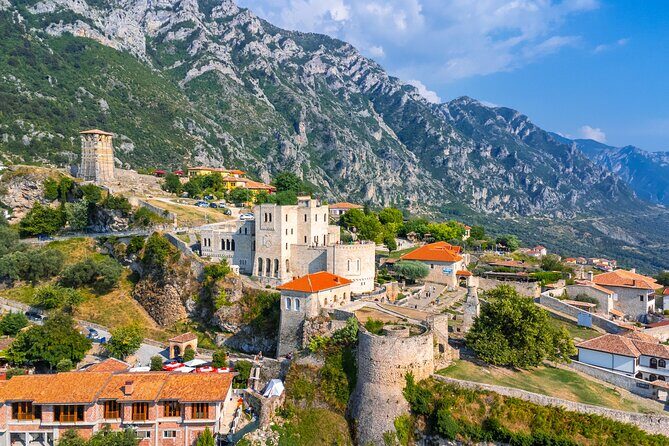
- 400-year Kruja Bazaar on the main road toward the castle, with the ticket included
- Castle walls at mountain height (Kruja sits about 608 m up), with museums inside
- Skanderbeg-centered stops plus optional add-on museum pricing
- Sari Salltik Mosque reconstruction details tied to the Bektashi cleric’s story
- One-hour stop for the mosque area and the holy-cave legend you’ll hear about
- Small group (max 20) with an English-speaking guide and mobile ticket
Kruja from Tirana: a short trip with big cultural payoff
This is one of those day trips that fits neatly into your Albania schedule. You leave Tirana, you get a focused set of stops in Kruja, and you’re back at the same meeting point. The driving time is listed at about 30–45 minutes each way, which matters because it keeps the day from feeling like a bus tour where you spend most of the day just traveling.
What makes the itinerary work is the way the sites connect. You start in the Old Bazaar, you move up to the castle area, and then you finish with the Sari Salltik Mosque. It’s a smart order: markets first, power and defense next, then the spiritual layer. You end up with a rounded sense of why Kruja kept its importance for centuries.
Other Kruja Castle and Old Bazaar tours we've reviewed in Tirana
Timing, meeting point, and how the 5-hour day actually flows
The tour starts at 9:00 am from Rruga Myslym Shyri 65, Tiranë. It ends back at the same meeting point. Duration is listed as about 5 hours, including travel and the three main stops.
A few practical notes that help you enjoy it more:
- Plan to arrive a few minutes early so you’re ready when the group assembles.
- Wear comfortable shoes for the castle area, since you’ll be walking and climbing around.
- Bring a light layer. Even in pleasant seasons, the castle height can feel cooler than Tirana.
- Keep a little cash or card access for optional museum fees.
The group size is capped at 20 travelers, so it’s large enough to feel like a proper day tour, but small enough that your guide can actually keep track of people.
Kruja Bazaar: trading streets with a 400-year memory
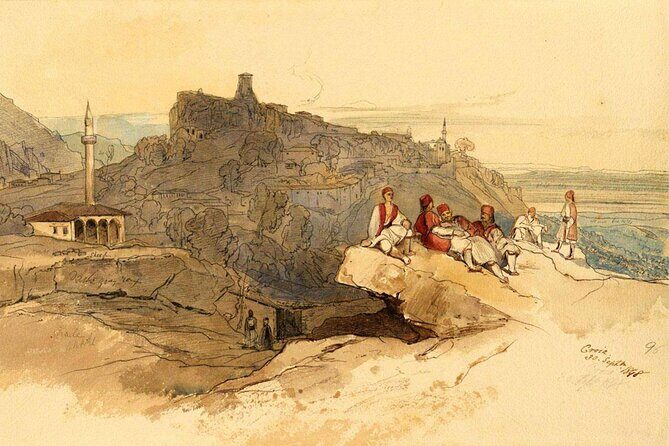
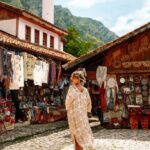
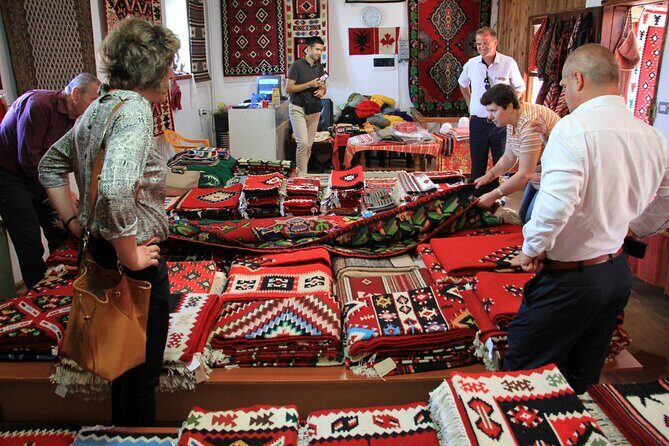
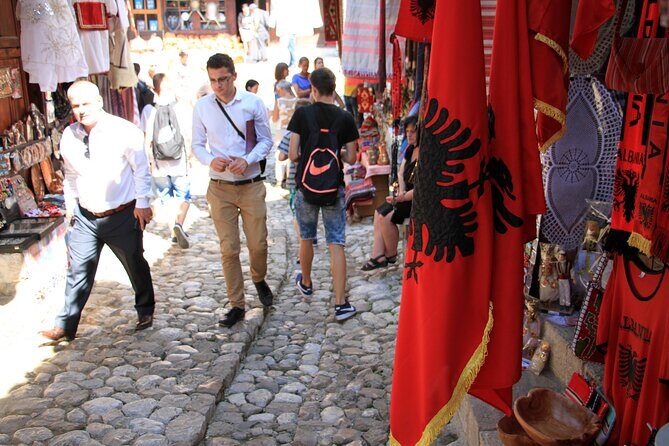
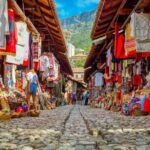
Your first stop is Kruja Bazaar, where the ticket is included and the stop is about 30 minutes. Kruja Bazaar is described as one of the oldest in Albania, with construction dating back over 400 years. It also sits right on the main road that leads toward the Castle of Kruja, so you get an immediate sense of how trade and defense lived close together.
This is not just a “look at souvenir shops” quick stop. The bazaar space is connected to the museum setting while still functioning as a traditional commercial area. That dual purpose gives the place a different feel than a modern market. You’ll likely notice the layout and shopfront rhythm more than you would in a totally polished tourist market.
What I like about doing the bazaar first:
- It helps you get your bearings fast. You understand where the castle sits relative to everyday life.
- It gives you a break before the uphill part of the day.
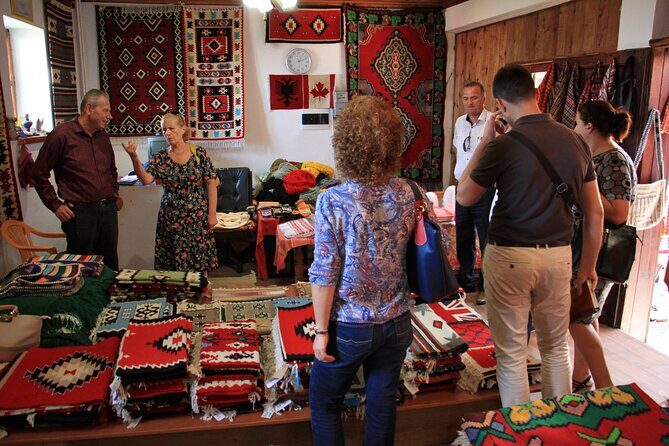
If you like crafts, textiles, spices, or locally made goods, this is the moment to browse. If you’re short on time, even just a focused circuit around the bazaar streets gives you the flavor without turning it into a shopping marathon.
Kruja Castle: museum rooms, views, and the Skanderbeg connection
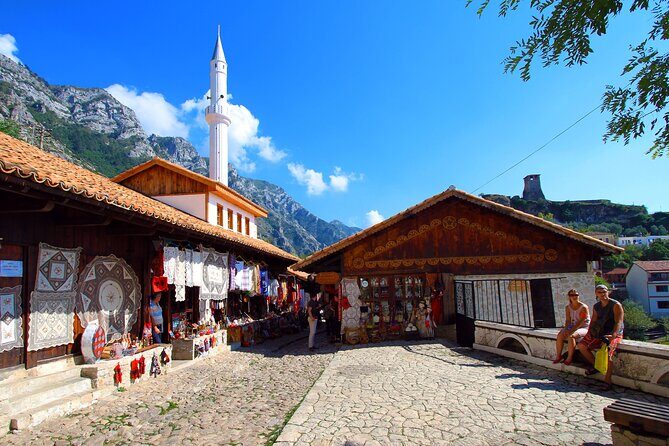
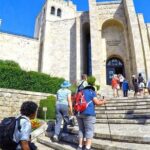
Next up is Kruja Castle, with an included admission and about 2 hours on site. The castle is tied to Kruja’s most famous chapter: the 15th-century resistance led by Skanderbeg. The way it’s framed on the tour is that Skanderbeg’s activity in Kruja helped make the city a bastion against the Ottoman threat.
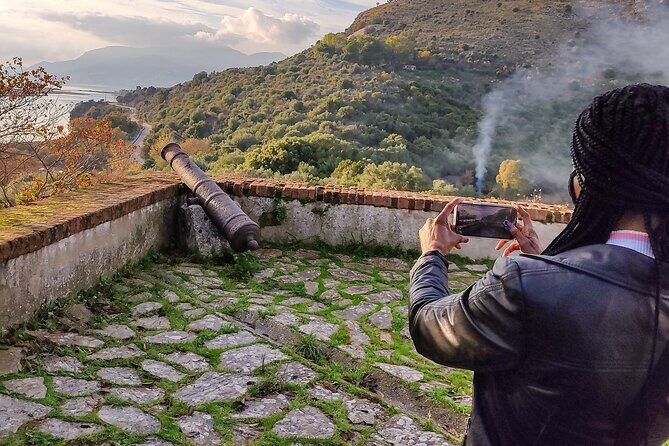
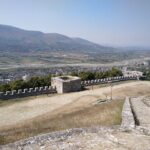
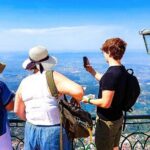
A useful piece of context for your visit: Kruja sits on the slope of the Kruja mountain at about 608 meters above sea level. That height affects the experience. You’re not just touring rooms. You’re touring the viewpoint too, because the castle area is built to dominate the surroundings.
Inside the castle walls, the tour points you toward multiple museum elements:
- The Gjergj Kastrioti Skanderbeg Museum is situated inside the castle walls, and the museum itself is described as inaugurated in 1981.
- You’ll also hear about other castle-area museum sites, including an ethnographic museum and the Dollma Tekke.
Here’s the key balance to manage expectations. Some people come away thinking there is not much “castle” left to see. In practice, what you’re really visiting is the castle wall setting and the museum content within it, plus the broader sense of place. If you want a huge, fully intact fortress experience, you might feel shorted. If you’re happy with history rooms, architecture remnants, and strong views from up there, it can land very well.
One practical tip: if you care deeply about Skanderbeg specifically, plan how you’ll spend your time in the museum areas. Your tour includes entry to Kruja Castle, but the Skanderbeg National Museum (7 euro) is listed as optional. So you may face an extra decision once you’re already there.
Sari Salltik Mosque: Bektashi roots and the footprint story
Stop three is Sari Salltik, which centers on the Sari Salltiku Mosque. The stop is about 1 hour, and admission is included.
This mosque is built in honor of Sari Salltiku, described as a cleric of the Bektashi faith. The tour story places him in Kruja around the 1300s, and it also links him to religious figures tied to Ottoman-era culture. One detail that stands out: the tour notes that the saint’s footprint is located in the mosque at the entrance of Kruja.
The mosque also carries a modern history layer. It says the communist regime demolished the mosque in 1967, along with other religious sites across Albania. The mosque was reconstructed in 1991. That reconstruction timing helps you understand why you may see a mix of older sacred tradition and newer restored structures.
The tour also mentions the holy cave in the Kruja mountain and the legends connected to it, with paranormal stories traced back to 1325. Whether or not the cave itself is physically visited during your hour, you’ll at least get the story thread. That can be a satisfying finish because it shifts you from defensive history (Skanderbeg) to spiritual geography (Sari Salltiku’s mark and the cave legend).
Other shopping tours in Tirana
The tour guide matters: when Basi turns rooms into stories

The guide isn’t a small detail on this trip. It’s the difference between seeing sites and understanding why those sites mattered.
One review highlights a guide named Basi, calling out the way he brought Albanian history to life and made the Skanderbeg Museum visit more interesting through the extra context he shared. Another positive point was that the day fit the “right length” for a Kruja overview, hitting key locations without dragging.
At the same time, there’s honest feedback that guide quality can vary. One experience said the guide did not give as much information as expected, and another pointed out that an advertised Spanish audioguide option was not available in their case. So if you want a deeper narration while you walk and stand in museum rooms, you should treat the guide as a crucial factor and be ready to ask questions.
My practical advice: if you care about extra detail, ask early. The guide can usually adjust how they pace the storytelling, even within a fixed itinerary.
What you pay for: value, inclusions, and optional museum costs
The price is listed at $84.11 per person, with a duration of about 5 hours. That price includes:
- Air-conditioned vehicle
- All fees and taxes
- Professional tour guide
- Entry/Admission – Kruja Castle
- Admission ticket included for the Kruja Bazaar stop
Not included:
- Anything not listed above
- Skanderbeg National Museum (7 euro) is optional
- Pick up & drop off at your hotel is optional at 10 euro per booking
Here’s how I think about the value. You’re paying for three things at once:
- You save time by not figuring out transport and connections yourself.
- You get a guide who can explain the layers behind what you’re seeing.
- You avoid some extra ticket lines because the key admissions are already handled.
The optional Skanderbeg museum fee is the main extra cost to watch. If your interest in Skanderbeg is high, budget that 7 euro rather than hoping you can skip it. If your interest is more “see the essentials,” you may choose to focus on what’s already included.
Also note: the tour offers English. The listing says offered in English, and one review notes the Spanish audioguide option wasn’t there for their group. So if you need a specific language format beyond English, confirm before you go.
Transportation comfort and group size: small enough to feel human
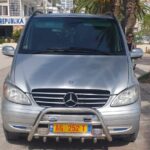
You ride in an air-conditioned vehicle, which is genuinely helpful in Albania during warmer parts of the year. The tour vehicle is part of the value because you don’t have to negotiate taxis for the out-and-back trip.
The group cap is 20 travelers, and that matters more than it sounds. In a bigger group, museum explanations get rushed. In a smaller group, you have a better chance that the guide’s timing and your questions actually fit.
Your start time is 9:00 am, so you’ll likely arrive early enough to beat the busiest crowd rhythms. Not guaranteed, but it’s a good setup for a smoother visit.
Who this Kruja trip suits best (and who might want a different plan)
This tour fits best if you want:
- A quick, well-shaped Kruja overview from Tirana
- The basics of Kruja Bazaar, Kruja Castle, and the Sari Salltik Mosque
- A guided day with included admissions, so you spend your brain on the place, not tickets
It may be less satisfying if:
- You want a large, fully intact fortress to explore for hours. Some people come expecting a bigger “castle to look at.”
- You hate museum content and would rather be outside the whole time. This one includes museum spaces in and around the castle walls.
- You strongly need audio materials in languages other than English. Your best bet is to confirm language support up front.
If you’re traveling solo, this is also a nice choice because the group size is small and the guide-led structure helps you feel oriented fast.
Should you book Kruja Castle and Old Bazaar from Tirana?
I’d book this if you want a tidy day trip that covers Kruja’s main identity in about 5 hours: the old market streets, the Skanderbeg-linked castle setting, and the Sari Salltik mosque stories. The included admissions and guided structure give it solid value for a first-time Kruja visit.
I’d think twice if you’re chasing big fortress vibes and expect lots of visible castle structure to roam. In that case, you may prefer a slower independent visit where you can linger exactly where your interests pull you.
If you do book, go in with the right expectations: you’re not just looking at buildings. You’re learning how Kruja’s trade life, defense role, and religious legends braid together.
FAQ
How long is the Kruja Castle and Old Bazaar tour?
It runs for about 5 hours.
What does the tour cost?
The price is listed as $84.11 per person.
Where do I meet, and where do I end?
You meet at Rruga Myslym Shyri 65, Tiranë, Albania, and the tour ends back at the same meeting point.
What time does the tour start?
The start time is 9:00 am.
How long is the drive from Tirana to Kruja (and back)?
The transport is listed as 30–45 minutes from Tirana to Kruja and 30–45 minutes from Kruja city back to Tirana.
What are the main stops?
The tour includes Kruja Bazaar, Kruja Castle, and Sari Salltik (Sari Salltiku Mosque area).
Are any admission tickets included?
Yes. Admission for Kruja Bazaar (30 minutes stop) is included, and entry/admission for Kruja Castle is included. The Skanderbeg National Museum is listed as optional.
Is hotel pickup included?
Hotel pickup and drop-off is optional and costs 10 euro per booking.
What language is the tour offered in?
The tour is offered in English. A Spanish audioguide option is not listed as guaranteed in the provided details.
What if I need to cancel?
Free cancellation is offered. You can cancel up to 24 hours in advance for a full refund.