REVIEW · TIRANA
1001 Windows of Berat & Golden Sunset in Apollonia
Book on Viator →Operated by Aria Travel Albania · Bookable on Viator
One day can feel like two completely different worlds. This tour strings together UNESCO-listed Berat and Apollonia’s ancient ruins, then times the later views for sunset light. I like that you get guided context instead of wandering blind, and I also like the practical pace: enough time to actually look, not just speed through. The main drawback is simple: it depends on good weather for that golden-hour payoff.
This is also a very “you’ll know where you are” kind of day, since you’re in a small-to-mid group (up to 50) with hotel pickup and drop-off. Expect a long day starting at 8:30am and running about 7–9 hours, so bring a bit of patience for driving and a willingness to walk on uneven streets and ruin paths.
In This Review
- Key things to watch for on this tour
- A 1-day UNESCO loop from Tirana with an 8:30am start
- Berat’s million-windows look: Gorica, Mangalem, and the Osum River
- Berat Castle: inhabited walls, St Mary’s Church, and the Onufri thread
- Icon museum time: how to look at the Onufri Museum like a pro
- Apollonia Archaeological Park: Greek roots, Roman roads, and the museum monastery
- The golden sunset hill: timing your photos without losing the plot
- Lunch inside the story: optional traditional meal near Berat Castle
- Price and logistics: what $126.16 buys you in real time
- Who this tour fits best (and who might prefer something else)
- Should you book 1001 Windows of Berat & Golden Sunset in Apollonia?
- FAQ
- What time does the tour start from Tirana?
- How long is the Berat and Apollonia tour?
- Is hotel pickup and drop-off included?
- Are tickets included for the major sites?
- Is lunch included?
- Does the tour run in English?
- How many people are in the group?
- Is the tour affected by weather?
Key things to watch for on this tour
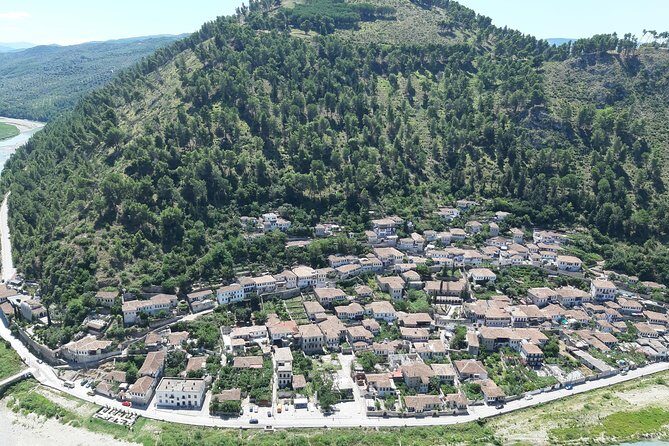
- Berat’s two quarters (Gorica and Mangalem): whitewashed slopes, river views, and narrow stone streets
- Berat Castle with people living inside: you’re not just touring walls—you’re walking through an inhabited historic core
- Onufri Museum in St Mary’s Church: icon collections tied to the 16th-century painter Onufri
- Apollonia by the ruins of the Via Egnatia: the ancient city linked to Roman power and Greek roots
- Sunset from the hill at Apollonia: timed for light, but weather decides the look
- Optional traditional lunch: reserve it in advance if you want that extra “inside the story” meal
A 1-day UNESCO loop from Tirana with an 8:30am start
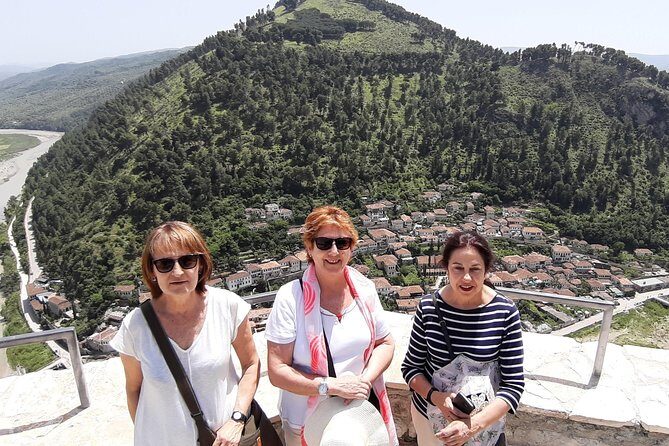
This is a full-day outing built for people who want the highlights of central Albania without stitching together buses, tickets, and timing on your own. You start at 8:30am, and the tour typically lasts around 7–9 hours, with hotel pickup and drop-off included.
You also travel with an air-conditioned vehicle, which matters once you’re out of Tirana and the day gets longer. With a maximum of 50 people and a guide who explains what you’re seeing, you’ll usually get a smoother flow from site to site than doing this solo.
One small planning point: sunset means the day schedule bends toward the evening. If you’re the type who hates late days, know that you’ll be heading back to Tirana after you’ve had time at Apollonia’s hill.
Other Berat UNESCO and castle tours we've reviewed in Tirana

Berat’s million-windows look: Gorica, Mangalem, and the Osum River
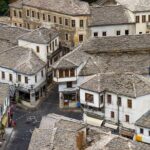
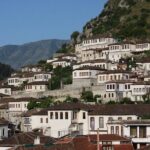
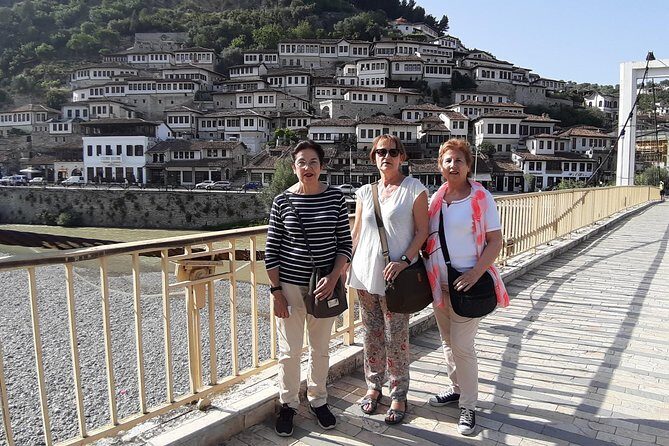
The Berat portion starts after breakfast back at your hotel, and the first big payoff is the sheer visual identity of the town. Berat sits at the foot of Tomorri Mountain and on the shores of the Osum River, so the view hits you as soon as you’re oriented on the slope.
Berat’s best-known look comes from its white-washed houses stacked up the hillside, with many windows layered across the buildings. You’ll hear the nickname town of a thousand and one windows—and once you see it in person, it stops sounding like marketing.
The architecture is part of why this stop works even if you’re not a “historical facts” person. The streets are narrow and stone paved, and the neighborhoods feel like lived-in old city fabric rather than a themed museum set. Entry for this first area is free, so you’re not being rushed off for ticket reasons.
A guide helps here because it’s easy to miss what matters while you’re busy photographing. With context, you start noticing the two older neighborhoods—Gorica and Mangalem—and how the town’s layout and history explain the skyline you’re seeing.
Practical tip: for Berat, plan on some walking on uneven stone. Even if the distances don’t sound huge, the surfaces can slow you down. Comfortable shoes beat fancy sandals on days like this.
Berat Castle: inhabited walls, St Mary’s Church, and the Onufri thread
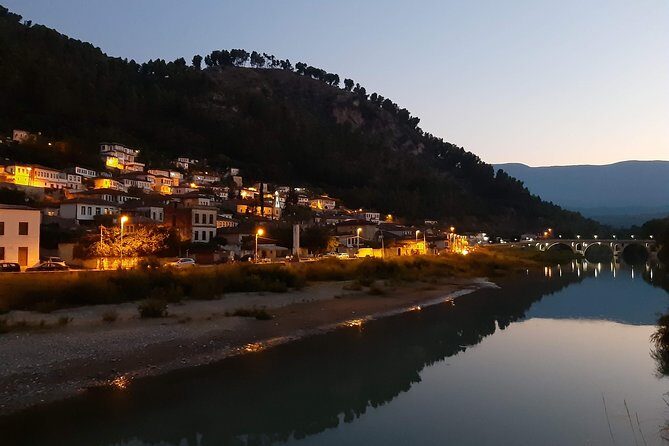
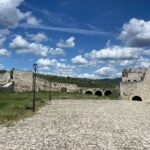
Then you move into the real centerpiece: Berat Castle. This is UNESCO-listed, and what makes it different from many castle visits is that it still has houses and people living within the walls. You’re not only looking at ruins and views—you’re seeing daily life in a fortified space that’s lasted through centuries.
The castle traces back to ancient times, established in the 3rd century B.C by an Illyrian tribe as the fortified city of Antipatrea. That ancient origin matters because Berat’s later story—Ottoman-era mosques, stone streets, the layered neighborhoods—feels like one continuous building process rather than separate eras stapled together.
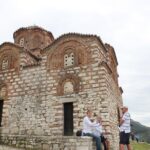
Inside, you visit St Mary’s Church, which has been turned into the Onufri Museum. The icons here are a highlight for art lovers, but even if you’re not into icons, it’s worth going because the museum is tied to a specific artist and a specific color identity. Onufri was a 16th-century Albanian painter known for painting church icons in Albania and Greece, and he’s famous for his red color—so when you’re looking at icon details, there’s a clear reason to pay attention.
You’ll also see two other churches within the castle area that are not open to the public, so your guide’s access and explanation add value beyond a basic visit. And if you like surprising historical details, Berat is also known for two of the oldest New Testaments discovered here: one from the 6th century and another from the 9th century AD.
The castle/museum time is about 1 hour 30 minutes, and admission for the castle stop is included. That timing gives you enough space to look properly, not just move through.
One consideration: castles and churches mean quiet, stair-like movement and indoor viewing. If you’re sensitive to crowds, you’ll still want to pace yourself even in a guided group.
Icon museum time: how to look at the Onufri Museum like a pro
If you’re going to spend time in a museum, you want to feel like you used that hour well. St Mary’s Church and the Onufri Museum are a perfect match because the subject matter is specific: icons, and the painter behind a recognizable red style.
When you’re inside, don’t feel stuck trying to memorize everything. Instead, focus on a few practical cues your guide can point out—like the use of color and how icon scenes are organized. Even if you only come away with a couple of memorable details, that’s enough to make the museum feel real rather than like background noise.
I’ve found that the best museum experience on this kind of tour happens when you let the guide’s explanation set your priorities. If your guide is Jetmir, you can expect attentive, informative storytelling that connects the art to what the city has gone through over time. He’s the kind of guide who helps you slow down just enough to actually see.
Also, this stop sits inside a living historic environment. That means you’re not just looking at artifacts behind glass; you’re in a complex place where centuries of people have lived and worshiped.
Apollonia Archaeological Park: Greek roots, Roman roads, and the museum monastery
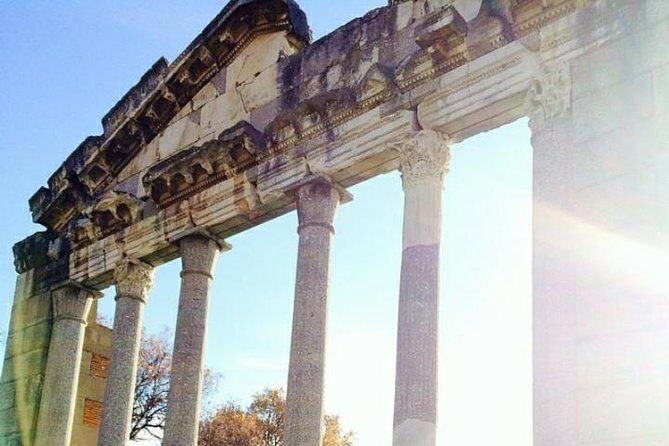
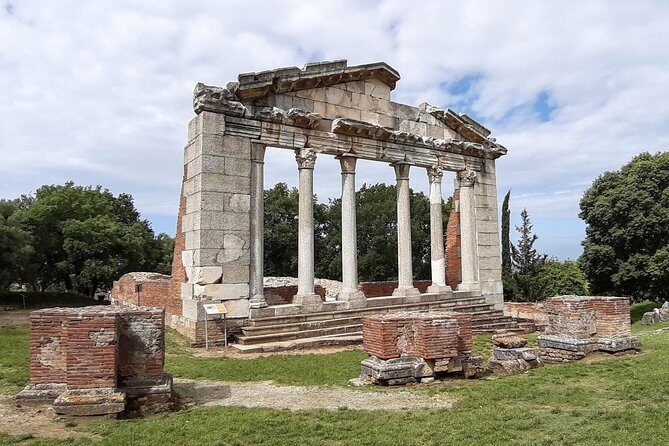
After Berat comes Apollonia, and the mood shifts in a good way. Apollonia is one of the most important ancient centers from Roman times on the famous Via Egnatia, which is basically the kind of road that helped ideas, power, and armies move across the region.
The ancient city was established in the 7th century B.C by Greek settlers from Corinth and Corcyra. Then, according to what excavations show, it reached its zenith in the 4th–3rd centuries B.C—so the site isn’t just “old,” it’s tied to periods of major importance.
You also get literary weight here. Cicero described Apollonia as magna urbs et gravis, meaning a great and important city. And later, Octavian Augustus is connected to the place: he studied philosophy there, then heard news of Caesar’s murder in the Senate, and went on to become emperor.
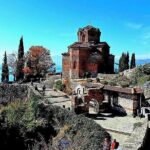
What you’ll walk through is the archaeological park, plus an Orthodox monastery turned into an archaeological museum. The museum angle helps because it gives you interpretive structure—so you can connect what you’re seeing in the ruins to how the area is remembered and studied.
This Apollonia portion is about 1 hour 30 minutes, and admission is included. That’s a solid amount of time for ruins: long enough to see the main areas, short enough to avoid numb “stone fatigue.”
Other evening experiences in Tirana


The golden sunset hill: timing your photos without losing the plot
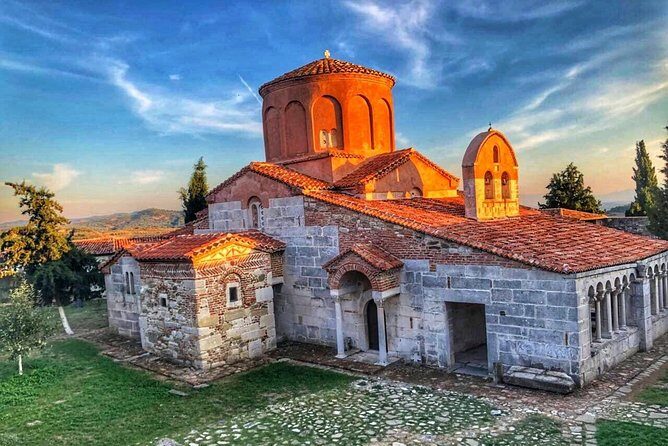
One of the smartest parts of this tour is that it doesn’t treat sunset as a random extra. You’re given time at Apollonia with the possibility of enjoying sunset from the top of the hill, and then you head back to Tirana after.
That changes how you experience the ruins. In late-day light, the stone doesn’t just look old—it looks sculpted. You’ll be able to capture photos with golden lighting, and more importantly, the light helps make the site’s scale feel dramatic.
But here’s the real consideration: the tour requires good weather. If conditions aren’t right, the sunset plan may suffer, and the operator may adjust or cancel and offer a different date or a full refund. So if you’re traveling during a season that’s often cloudy, it’s worth keeping your expectations flexible.
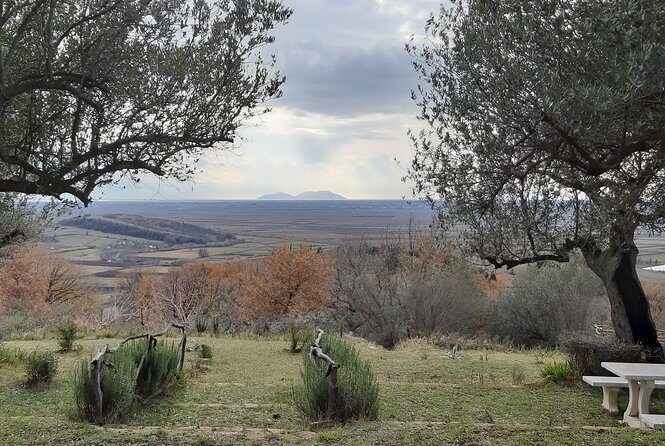
Practical tip: when you go to look at the view, don’t stand still the entire time. Walk a bit so you see how the ruins and light shift. Even a small change in position can give you a different angle.
Lunch inside the story: optional traditional meal near Berat Castle
Lunch is not automatically included, but it’s easy to add if you want the day to feel more complete. You can reserve a traditional lunch for an additional 10€ per person.
There’s also a specific kind of lunch experience mentioned: a special traditional house meal within the castle, run by a local couple. That’s the kind of detail that can turn lunch from an obligation into a cultural pause, especially when it sits inside the historic environment you just explored.
If you’re the kind of traveler who prefers control—choosing your own timing and restaurants—then you may decide to skip lunch add-on and plan your own. But if you want the tour to keep its flow and avoid the “where do we eat?” scramble, the optional meal is good value for the extra structure.
Either way, plan on eating somewhere that doesn’t slow the rest of your schedule too much, because the day still has Berat Castle and then Apollonia afterward.
Price and logistics: what $126.16 buys you in real time
At $126.16 per person, this tour isn’t cheap in a budget sense. But it does cover the big-ticket components that usually cost extra when you DIY: guided interpretation, included tickets for major stops, and hotel pickup/drop-off.
You also get air-conditioned transport, and the experience is structured with included admissions where it counts. Berat’s first town stop has free admission, while Berat Castle and the Onufri Museum are included, and Apollonia admission is included as well.
So the price is mostly paying for two things: time saved and context gained. If you’ve ever tried to arrange a full-day UNESCO route from Tirana with multiple ticketed sites, you already know that “cheap” can quickly turn into “expensive in stress.”
A final practical plus: service animals are allowed, and the tour notes that most travelers can participate. It’s also offered in English, which matters for accuracy when you’re hearing details like Onufri’s red-color fame or the centuries tied to the New Testament manuscripts found in Berat.
One more note: you’ll be in a group, so you’ll have a pace set by the schedule. If you like drifting and solo wandering, you’ll still get personal moments—but this won’t be a free-roam day.
Who this tour fits best (and who might prefer something else)
This works best if you want a guided day that mixes viewpoints with real sites—Berat’s white hillside neighborhoods and Apollonia’s major ancient remains—without complicated planning. You’ll enjoy it if you like UNESCO destinations where the place still feels alive, not just staged.
I’d also point you toward this if you care about art and symbolism. The Onufri Museum stop isn’t just a building; it’s tied to a named painter and specific icon style, which makes your looking feel guided.
On the other hand, if you hate long driving days, you might find the 7–9 hour length a lot. And if you’re traveling with super tight schedule constraints, the sunset dependence adds unpredictability.
Should you book 1001 Windows of Berat & Golden Sunset in Apollonia?
Yes, you should book it if you want one efficient day that delivers two UNESCO-listed experiences plus an evening viewing moment. The combination of Berat’s lived-in castle world and Apollonia’s ruins with sunset light is a strong payoff, especially because tickets for the main sites are included and pickup is handled for you.
If you’re someone who needs everything to be perfect to enjoy it, keep weather in mind. Sunset is the idea, and the tour explicitly leans on good conditions. Otherwise, you’re still getting great historical stops even if the sky doesn’t cooperate fully.
Overall, this is a value-leaning day tour when you compare what’s included versus what you’d normally spend arranging it yourself—plus the guide support turns the time into something you can actually understand.
FAQ
What time does the tour start from Tirana?
The tour start time is 8:30am.
How long is the Berat and Apollonia tour?
The tour duration is about 7 to 9 hours.
Is hotel pickup and drop-off included?
Yes. Hotel pickup and drop-off are included.
Are tickets included for the major sites?
Yes. Admission is free for the Berat town stop, and admissions are included for Berat Castle and the Apollonia Archaeological Park stop.
Is lunch included?
Lunch is not included by default. You can add traditional lunch for +10€ per person.
Does the tour run in English?
Yes, the tour is offered in English.
How many people are in the group?
The tour has a maximum of 50 travelers.
Is the tour affected by weather?
Yes. The experience requires good weather. If it’s canceled due to poor weather, you’ll be offered a different date or a full refund.