REVIEW · TIRANA
Peaks of the Balkans – 8 Days Tour
Book on Viator →Operated by Go as Local · Bookable on Viator
Koman Lake starts at dawn. What I love most is the way this route links wild valleys and the Accursed Mountains with real, lived-in villages, not just scenic viewpoints. I also really liked how the experience feels guided but not controlled—hungry for information, the team like Daniel and Redi can explain the history as you walk, and guides such as Erin (the Gandalf of the Balkans) bring the trail to life. One consideration: you’ll need moderate fitness and you should expect long hiking days and early starts.
There’s also a lot of practical care built into the trip. You get pickup offered in Tirana, transportation throughout, and a small group cap of max 8 travelers, which usually means less waiting around and more time on the trail. The guesthouses are intentionally simple in places, so if you want hotel-style comfort every night, you might find a few accommodations basic—but that trade-off usually comes with remoteness.
In This Review
- Key highlights at a glance
- Day 1 on the Koman Lake ferry: from Tirana to Valbona Valley
- Valbona Valley: where the hikes start feeling real
- Day 2 into Cerem and the Accursed Mountains: blackberries, pine forests, Zla Kolata
- Day 3 toward Doberdol: shepherding roots and forest trekking
- Day 4 in Kosovo around Malishevc: natural spring lakes and long views
- Day 5 glacial lakes and legends: Kosovo to Babino Polje
- Day 6 Hrid Jezero and Vusanje: icy water legend and long-distance work
- Day 7 the military border feeling near Theth: bunkers, concrete reminders, Lock in Tower
- Day 8 Gurnas Waterfall and Shkodër: last walk, then city time
- What makes the value feel high for $1,272.08
- Who should book Peaks of the Balkans
- Should you book this tour?
Key highlights at a glance
- Koman Lake ferry daybreak: a dramatic ride across a manmade lake before the mountains take over.
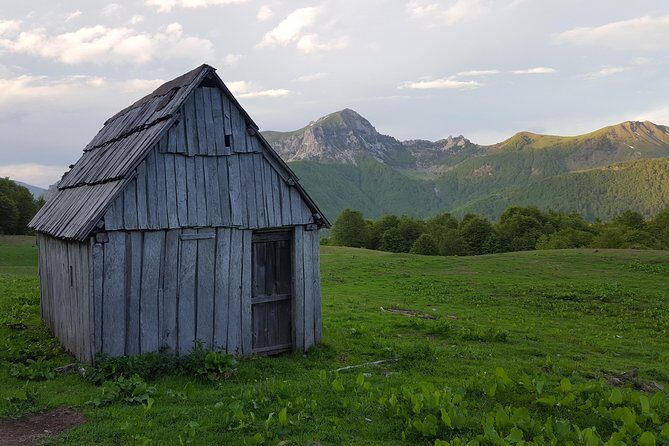
- Via Dinarica style trekking: days built around steady mileage, climbs, and constant changing terrain.
- Cross-border walking: Albania, Montenegro, and Kosovo on one continuous hiking rhythm.
- Local-guesthouse nights: simple stays in villages like Cerem, Doberdol, and Theth.
- Guides with real local context: names you might hear include Andi, Daniel, Redi, and Erin.
Day 1 on the Koman Lake ferry: from Tirana to Valbona Valley
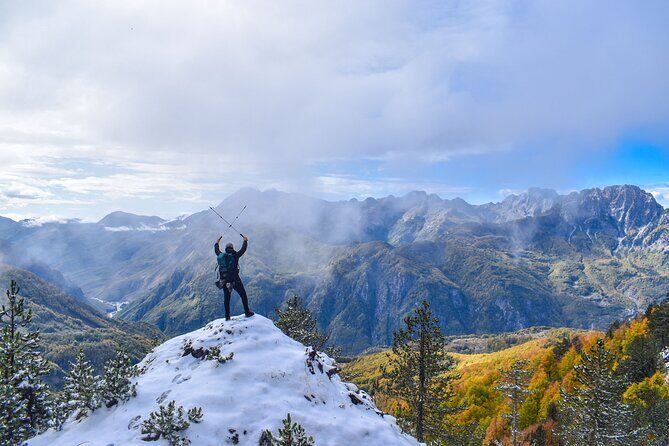
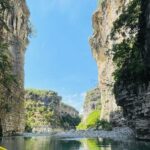
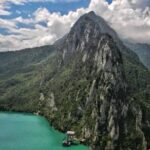
Day 1 is the kind of start that makes the rest of the trip feel worthwhile. You’ll leave Tirana very early (around 5:00–5:30 am), then you’re headed toward Koman Lake in time for the ferry departure at 9:00 am. The ride to Fierza is a big visual reset: water, steep canyon walls, and that sense of stepping into a quieter Albania where people travel by routes few outsiders ever see.
Once you land on the other side, you drive toward the Valbona Valley area. The transfer takes about 45 minutes, passing through Bajram Curri. Then you get lunch in Valbona and a hike in the direction of Kukaj, a remote pocket in the wider Valbona Valley surroundings. That mix—ferry, road, then hiking—makes day 1 feel like three different experiences without losing the overall momentum.
Practical note: because you start so early, I recommend treating breakfast like a mission. If you’re the type who needs caffeine, get it early too. Also, plan for a day where you might not get to sit down much between ferry, drive, lunch, and walking.
Other Theth and Albanian Alps tours we've reviewed in Tirana

Valbona Valley: where the hikes start feeling real
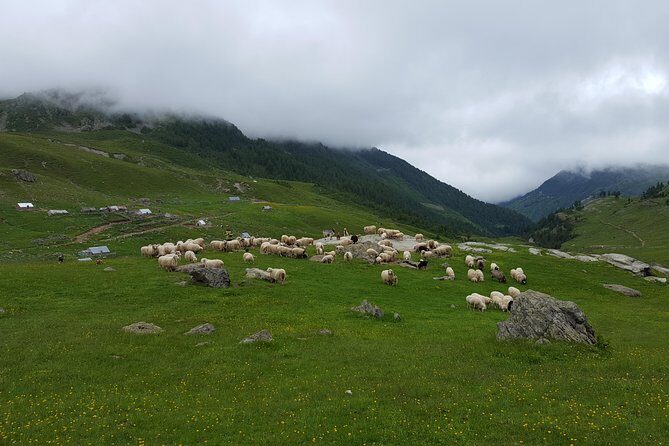
Valbona isn’t just a pretty valley. It’s a working mountain region where trekking feels tied to how people live—seasonal movement, livestock routines, and the constant adjustment to weather and footing. Your day includes both time to eat and time to walk, so you’re not thrown straight into a long summit push.
If you want an easy win on day 1, focus on good walking rhythm rather than speed. This kind of terrain rewards steady feet. Bring blister prevention (simple things like tape or blister patches), because the early-morning pace plus later hiking can be tougher on your legs than you expect.
A trade-off: day 1 runs long. It’s listed at 16 hours for the Valbona Valley portion, so you’ll want to be ready for a full travel-and-hike day, not a gentle arrival.
Day 2 into Cerem and the Accursed Mountains: blackberries, pine forests, Zla Kolata
Day 2 shifts you from the main valley feel into something more hidden. You leave Valbona behind and head toward a remote village in the Accursed Mountains area. Cerem is known among locals for blackberries, and even if your bag won’t be heavy with them, the idea matters: this is a place where wild food and seasonal harvesting shape daily life.
The hike is built around changing terrain. The trail runs along pine forests and is described as meandering—good news if you like hiking that gradually builds. After a few hours, you reach the highest peak of the day’s trail at 2030 m, which is a natural spot for a picnic lunch.
Then comes the border-crossing rhythm. You continue by entering the Montenegro border area and hike near Zla Kolata, described as the highest peak of Montenegro. After that, you re-enter Albania via Bori Pass and reach Cerem for the night.
You’re looking at 13 km of trail with about 1090 m of elevation gain and 870 m of elevation loss. That’s a serious day, but it’s the kind of work where your reward is not just a view—it’s the feeling of moving through a place that stays quiet and remote.
Consideration: with that much up-and-down, you’ll want hiking poles if you use them. Your knees will thank you on the downhill sections.
Day 3 toward Doberdol: shepherding roots and forest trekking
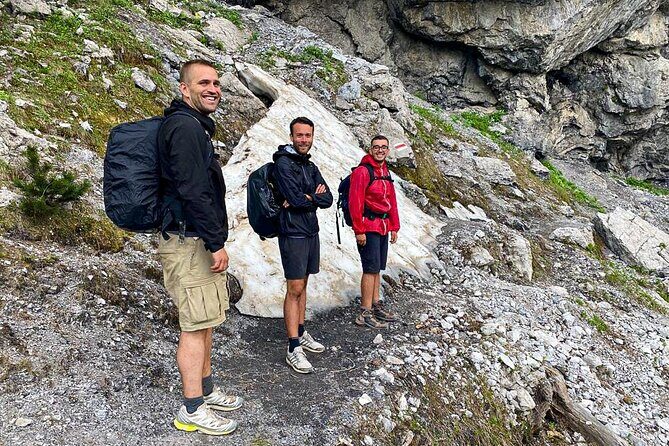
Doberdol is a place with a long tradition. It has served as a shepherd summer camp for centuries, when cattle are brought for 4–5 months each year. That background changes how you see the area. You’re not only hiking through trees; you’re walking through a landscape with a human schedule older than many modern borders.
Day 3 is described as relatively easier than some other days, mainly because it’s more forest-based after leaving a rocky area near Kollata. There’s also a brief border crossing to Montenegro and then back to the Albanian side, walking near a former military base. That combination—nature in the woods, then the faint presence of history in the built remains—makes the trail feel layered.
You stop for picnic lunch and coffee in a remote bar. After that, you continue toward Doberdol, where dinner and overnight happen in a basic guesthouse. That’s one of the realities of cross-border trekking: comfort is functional, not always polished. But the point is that these guesthouses are right where the hiking life is.
Trail math for the day: 15 km, with 790 m gain and 440 m loss. The less brutal elevation profile still keeps it interesting, especially if you’re paying attention to the forest shade and the footing.
Day 4 in Kosovo around Malishevc: natural spring lakes and long views
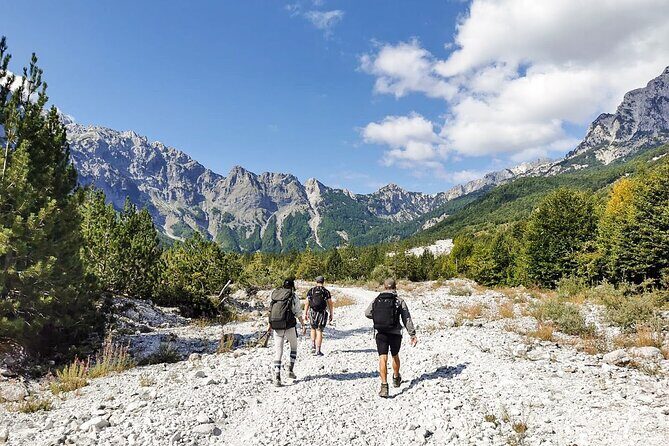
Day 4 moves you into Kosovo territory, to Malishevc. This is where the route leans into the idea of water and springs in the mountains. Malishevc is described as known for natural spring lakes, and the trail day is set up for a longer effort: 7–8 hours of walking on a 13 km path.
Expect big views into wild parts of the Balkan peaks and the Accursed Mountains. The walk includes picnic lunch along the way, then overnight in Kosovo.
Trail stats: 13 km, 920 m elevation gain, and 980 m elevation loss. That’s one of those days where you can feel strong on the uphill and then work harder on the descent. If you tend to cramp on downhills, start early with slow steps and shorter strides once the trail tilts.
A drawback to think about: the day is long, and the terrain is active. It’s not a stroll. If you’re only comfortable with moderate hiking, make sure you’re mentally ready for long hours even when the distance isn’t the longest on paper.

Day 5 glacial lakes and legends: Kosovo to Babino Polje
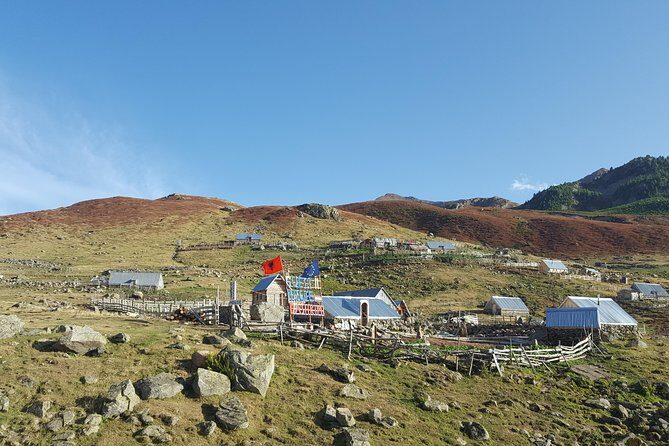
Day 5 has a shorter mileage but stays dramatic. The trek goes from Kosovo to Montenegro and is described as walking through history and legends. That’s not just storytelling—it’s a reminder that this region’s borders and communities have moved and changed over time, leaving trails and local memory behind.
You’ll pass through an area with glacial lakes and water streams. That means more frequent natural “check points” for photos and breaks, especially if the wind is strong or the route is dusty.
After lunch break, you head to Babino Polje for the night. The trail length is 11.4 km, with 570 m gain and 750 m loss. So you might feel less climbing than some days, but you’ll still work through decent downhill elevation.
If you like days that feel slightly more relaxed, this one fits. Keep in mind that shorter doesn’t mean easy—loss-heavy routes can still wear you out.
Day 6 Hrid Jezero and Vusanje: icy water legend and long-distance work
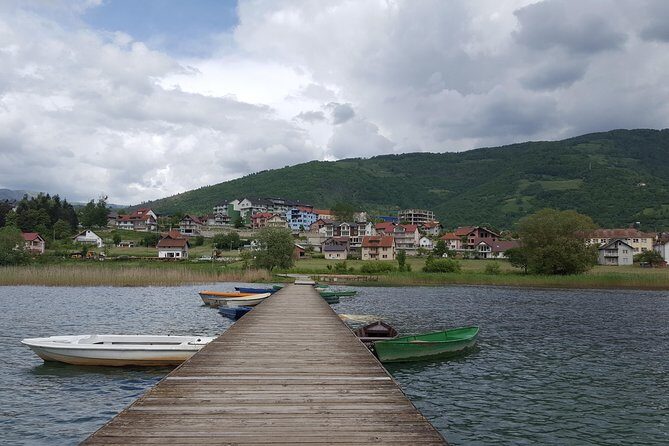
Day 6 starts with a cold legend. After leaving the guesthouse, you walk for a cold, refreshing morning shower at Hrid Jezero, also known as the Lake of Good Luck. The tour notes a legend that swimming in icy waters brings good luck in marriage. I’m not saying you need to test the legend, but I do love that this stop is more than scenery—it’s a small cultural ritual tied to the place.
The morning then shifts toward scenic Albanian Alps views. Later there’s an afternoon break near Lake Plav, and after that you get a local transfer to Vusanje.
The walking day is listed at 21 km with 710 m gain and 1150 m loss. That’s a lot of ground and a lot of descending. This is where trekking poles can become your best friend, even if you didn’t use them earlier.
Accommodation is in a traditional guesthouse in Vusanje, with dinner included. The rhythm of this day—cold stop, long trail, then a transfer—makes it feel like two different efforts, so plan your pace accordingly.
Day 7 the military border feeling near Theth: bunkers, concrete reminders, Lock in Tower
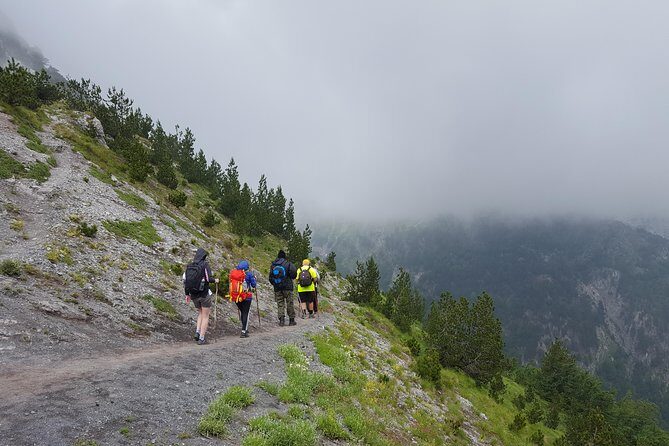
Day 7 is where the history becomes physical. Today’s hike is about 20 km, with 1050 m of elevation gain and 1100 m of elevation loss. You’ll walk in a mountain corridor described as the former military border between Communist Albania and former Yugoslavia, and you’ll encounter many concrete bunkers along the route.
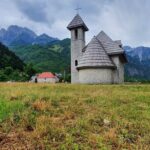
These bunkers change your headspace. Instead of imagining war from a museum, you see it placed in the real terrain. The views are described as breathtaking, and below your feet you’ll reach Theth, a village with history and culture. A key symbol is the Lock in Tower, described as a living proof of the past and history.
Overnight is in Theth, and this is another basic-guesthouse style night. If you’ve been balancing your expectations so far, you’ll probably enjoy the feeling here—the village has a way of making you slow down after big effort.
Day 8 Gurnas Waterfall and Shkodër: last walk, then city time
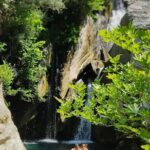
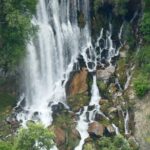
Day 8 is a softer finish with a clear payoff. After breakfast at the guesthouse, the Gurnas Waterfall is the next attraction. It’s about a 45-minute walk from the center of the village, leading through softer hilly terrain and passing through most of the village along the route.
Then you leave Theth behind and drive around 3 hours to Shkodër, described as the biggest city in northern Albania. You get free time there, then you return to Tirana in the evening.
This is also the part of the trip that can feel like the one non-mountain moment. If you love hiking above all, you may wish the last day stayed more trail-heavy. But the Shkodër stop gives you a chance to reset—stretch out, eat without a picnic setup, and get a sense of city life after village and bunker views.
What makes the value feel high for $1,272.08
This isn’t a “cheap and cheerful” hike. It’s priced at $1,272.08 per person for an 8-day guided trek across Albania, Kosovo, and Montenegro, with transportation included and a small group cap. So what justifies it?
First, you’re not only paying for guide time. You’re paying for the logistics that would be hard to replicate: the early starts, ferry timing on Koman Lake, repeated transfers, and guesthouse coordination in remote villages. Second, meals are covered for most days—listed as 7 breakfasts, 7 lunches, and 7 dinners, plus the lunch stops built into hiking days.
I also think the guide quality drives the value. The names that come up—Andi, Daniel, Redi, and Erin—signal a team that knows how to explain what you’re actually walking through, not just point at a mountain.
One note: because guesthouses can be basic in some locations, you’re trading some “comfort per night” for “comfort of not having to plan.” If you already want to rough it a bit, this will feel like a fair deal.
Who should book Peaks of the Balkans
This tour fits best if you want a guided trek that feels authentic and cross-border, with real village nights and frequent nature breaks. You’ll enjoy it most if you:
- are comfortable with moderate physical fitness
- like long days and don’t mind steep climbs and descents
- want history woven into the walking (bunkers, shepherd life, border passes)
- prefer a small group over big-tour buses
If you’re looking for a mostly flat stroll, or if you want consistent hotel-style beds and amenities, you may find the pace and accommodations more rugged than you want. But if you like mountain walking and can handle basic guesthouse conditions, you’ll likely feel right at home.
Should you book this tour?
I’d book it if you’re drawn to a single, continuous route through Albania–Kosovo–Montenegro, especially the Koman Lake start and the Theth finish with real village texture. The combination of guided trekking and local knowledge—paired with food that’s included and guesthouses that match the terrain—makes it feel like good value for your effort.
If you’re on the fence, decide this: do you want the mountains and borders to be the main event? If yes, this is a strong choice. If no, you might find yourself wishing for more trail time or less early travel.