REVIEW · TIRANA
Berat – History and Medieval Art – Private tour from Tirana
Book on Viator →Operated by Tours Albania Balkans · Bookable on Viator
Berat hits you fast, before you even start touring. From Tirana, this UNESCO-listed city feels like a set of living time capsules, stacked on a hill with white walls, olive trees, and churches and mosques close enough to share the same views. I like that you get a private guide who can pace the day, and I also like that your time in Berat is built around the big architectural landmarks, not just a photo stop.
My favorite part is the White Citadel walk: the mix of Illyrian-era beginnings, Byzantine layers, and Ottoman-era streets makes Berat feel like it has receipts from every century. You also get museum time that connects the art to the people—iconography and everyday culture are treated as part of the same story. One drawback to plan for: lunch isn’t included, and the day involves walking on slopes, so you’ll want moderate stamina.
If you want history without rushing, and you like seeing how different faiths and empires shaped one city, this tour fits well. If you prefer a long sit-down meal and minimal steps, you may want to bring a plan for food and pace yourself on the hill.
In This Review
- Key highlights worth your attention
- Berat in one day: the view that earns the trip
- Getting to Berat from Tirana: private comfort that matters
- The White Citadel and Berat Castle: where the city makes sense
- Byzantine church stop and the Onufri museum connection
- Red Mosque and St. Trinity Church: one hill, multiple faiths
- Museum of Iconography and the National Ethnographic Museum
- Museum of Iconography
- National Ethnographic Museum
- Price and value: what you’re paying for
- How to plan your day (so the hill doesn’t win)
- Who this private Berat tour is best for
- Should you book this Berat day trip from Tirana?
- FAQ
- What is included in the private tour from Tirana to Berat?
- How long is the Berat day trip?
- Are pickup and a mobile ticket included?
- Is lunch included?
- What sites are visited in Berat?
- Is this tour private or shared with others?
- What fitness level do I need?
- What hours does the activity operate?
Key highlights worth your attention
- White Citadel viewpoints: old walls on a hill, with sweeping city and river views.
- Onufri museum + Byzantine church context: religious art tied to the stories behind it.
- Red Mosque and St. Trinity Church: two landmarks that show Berat’s layered identity.
- Museum of Iconography: a focused art stop that helps you “read” what you see.
- National Ethnographic Museum: daily life artifacts to balance the architecture.
- Private pacing: it’s just your group, so your guide can adjust what matters most to you.
Berat in one day: the view that earns the trip
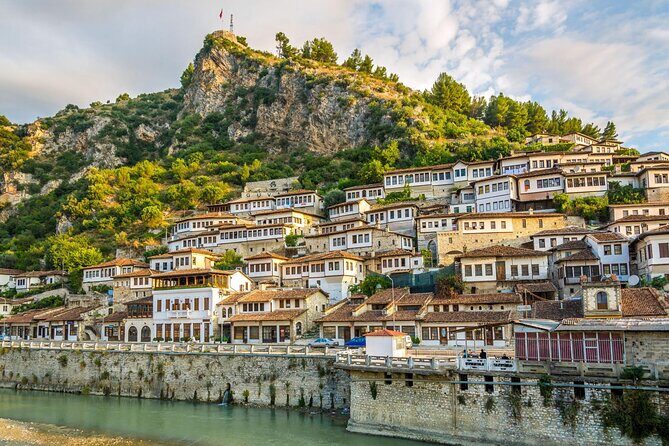
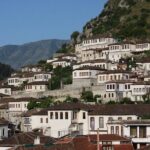
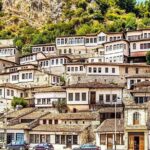
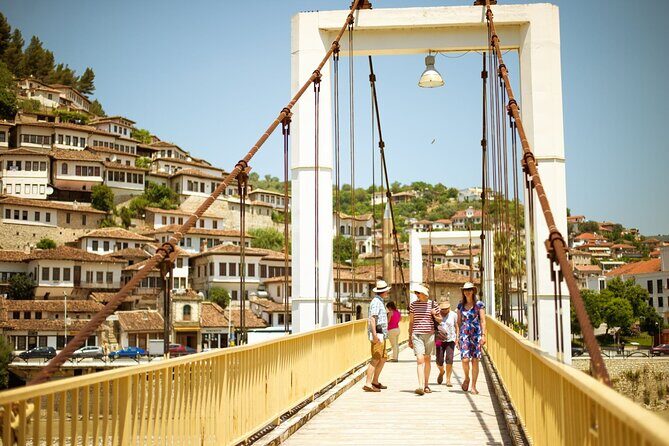
Berat’s main charm is how quickly it makes sense. As you approach the city, the citadel sits high above the streets like a calm white fortress, ringed by old olive trees. That first sight does a lot of work for you. It sets expectations: you’re not just collecting landmarks; you’re moving through layers of time.
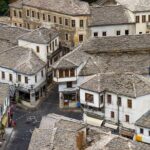
Once you start walking, Berat keeps paying you back. The hilltop streets and the old quarter’s Ottoman architecture create a “slow down and look” rhythm. You’ll see how narrow lanes and hill slopes shaped daily life, and you’ll notice how religious and cultural buildings fit into the same neighborhood. It’s a strong day-trip destination because you can understand the city’s shape in a single visit.
For me, the value is in how the tour organizes your time: big exteriors first (castle, mosques, churches), then museum stops that give meaning to what you just saw. If your brain likes connections—architecture to art, art to faith, faith to daily life—this one lands.
Other Berat UNESCO and castle tours we've reviewed in Tirana

Getting to Berat from Tirana: private comfort that matters
This is a private tour/activity, so you’re not stuck in a large crowd timeline. That matters in Albania, where traffic flow and road conditions can make “group herding” stressful. You’ll travel in an air-conditioned vehicle, and the tour includes all fees and taxes plus professional guide services.
Pickup is offered, and the tour runs about 9 hours total. You’ll likely spend a good chunk of that day on the road plus sightseeing time in Berat (there’s a 4-hour block for Berat City Tours). That’s a normal day-trip tradeoff, but it’s why the schedule matters: the tour is designed so your time in Berat isn’t chopped into random fragments.
If you’re traveling with family or friends and you want the guide to adapt—more time for photos, less time for museum rooms, or an extra viewpoint—the private format gives you that flexibility. Some guides associated with this operator are also noted for being calm and adjustable; for example, Bjordi and Olio come up in past experiences as helpful, knowledgeable, and easygoing with pacing. You can’t guarantee names, but the style of guiding is consistent.
The White Citadel and Berat Castle: where the city makes sense
The tour’s core experience is Berat’s hilltop citadel area, often described as the White Citadel. Even if you’ve seen forts elsewhere, Berat’s version has a different feel. The walls use large white lime stones, and the whole area sits under the steady shade of very old olive trees. The contrast—soft olive greenery against hard stone—makes the citadel look peaceful, not intimidating.
This part matters for two reasons:
- You get the big picture of the city’s layout. From the hill, Berat’s shape becomes obvious.
- The history layers show up on the ground. The citadel is tied to earlier inhabitants (including Illyrians as part of the long timeline), then later occupations and wars left their mark.
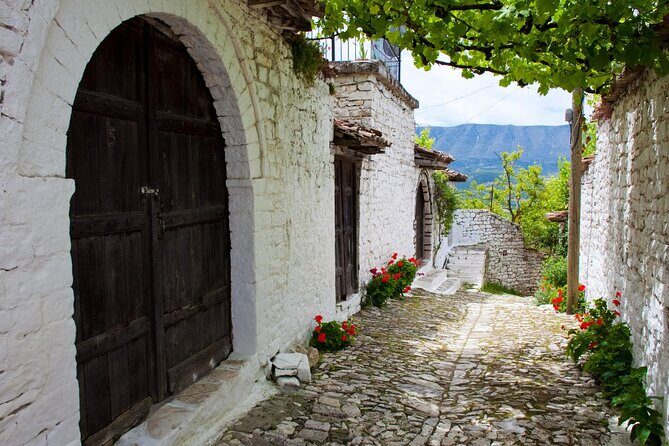
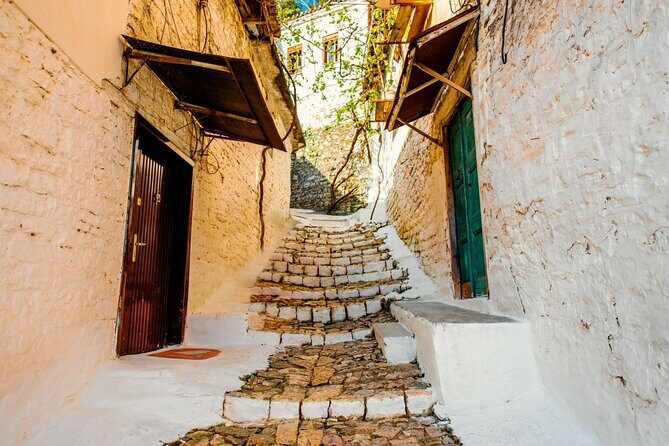
Walking here is not just “see the walls.” You’ll move step by step through the old quarter on slopes, where Ottoman-era architecture from the 18th and 19th centuries helps explain how people lived around the fort. If you’re a person who likes architecture details—doorways, street angles, and how buildings cluster—you’ll enjoy this more than a quick drive-by.
One practical consideration: expect moderate walking on uneven surfaces and slopes. The tour notes a moderate physical fitness level, so if you’re managing mobility issues, it’s worth thinking ahead about comfortable footwear and how long you want to be on your feet.
Byzantine church stop and the Onufri museum connection
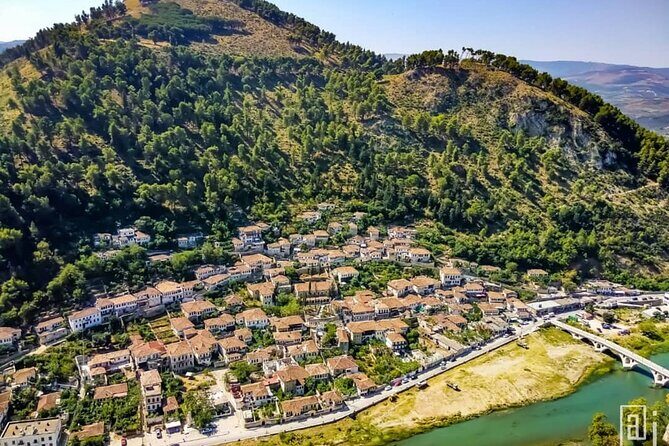
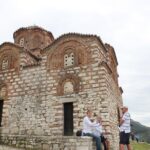
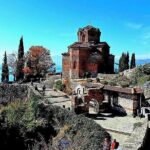
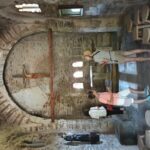
Inside the citadel area, you’ll visit a Byzantine church that houses the Onufri museum. This is where the tour gets more than scenic. The church setting helps you understand why icon art matters: it wasn’t made as decoration. It was made for worship, teaching, and identity.
The museum stop also connects to a highlight that’s easy to remember: one of the oldest world codices was found here. That’s the kind of detail that turns a museum visit into a story you can carry around after you leave the building.
Even if you don’t consider yourself a “museum person,” this stop works because it’s tied to place. The building isn’t generic. You’re standing in a religious structure that has survived and changed through centuries, and the art inside reflects that long continuity.
What I like about this design is that it reduces the usual museum problem—standing in rooms without context. Here, the guide’s job is to connect iconography to the historical layers you saw outside.
Potential drawback: museum time is always a personal preference. If you want more outdoor time than indoor time, you may need to pace yourself and choose what sections you want to prioritize when you arrive.
Red Mosque and St. Trinity Church: one hill, multiple faiths
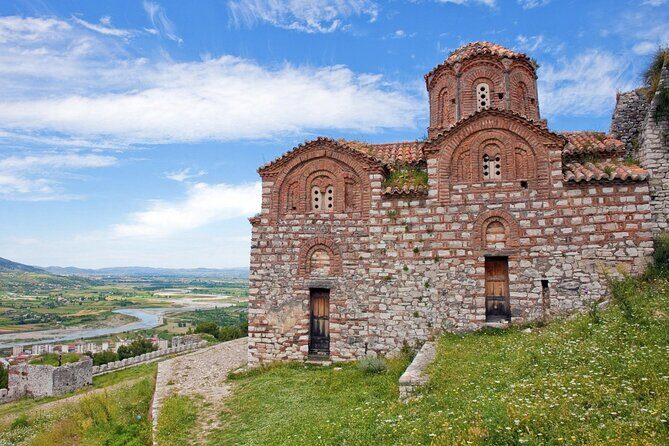
Berat is famous for how different religions can share the same city map. The tour includes the Red Mosque and St. Trinity Church, and this is one of the most rewarding parts of the day because it teaches you to read the city through its monuments.
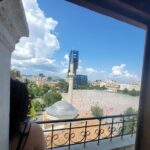
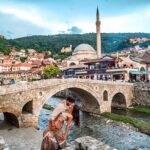
The Red Mosque is visually striking, and it adds an Islamic architectural angle to what you’ve been seeing in the citadel’s Christian context. St. Trinity Church gives you the other side. Seeing them in one itinerary helps you understand that Berat’s cultural identity wasn’t formed by one empire or one faith alone.
For your experience, this pairing is smart. Many day trips focus on either mosques or churches. Here, you get a more balanced sense of how architecture reflects community life over time.
If you’re sensitive to religious sites’ visitor rules, be ready for typical respectful behavior (quiet voice, modest clothing). The tour doesn’t list specific dress requirements, but treating religious spaces with care will make your visit smoother and more comfortable.
Other private tours in Tirana

Museum of Iconography and the National Ethnographic Museum
The tour doesn’t end at buildings. It moves into museum rooms that explain what you saw and what people lived like.
Museum of Iconography
The Museum of Iconography is there for a reason: icon art is a language. Once you’ve learned the basics of how icons relate to faith, it’s easier to notice details—composition, meaning, and the way religious themes are presented.
This museum stop is especially valuable if you’ve never paid close attention to Byzantine- and Orthodox-style religious art. The guide’s explanations can help you connect the museum exhibits back to the church setting you visited earlier.
National Ethnographic Museum
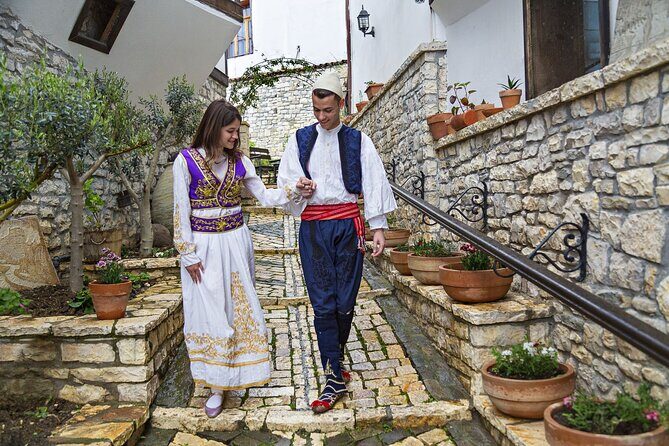
Then you shift from art to daily life at the National Ethnographic Museum. This is where you balance the grand stone-and-stone narrative of fortifications with the human scale of culture: how people lived, what they valued, and how traditions were carried forward.
I like that this stop gives your brain a break from architecture and religious monuments. It’s still history, but it feels more personal. Even short museum visits can become memorable when you’re shown everyday objects tied to real routines.
Potential drawback: you may need to manage museum energy. If you prefer only outdoor sightseeing, museums can feel like time fillers. In this tour, they’re placed after landmark viewing so they don’t feel disconnected. Still, you’ll enjoy them more if you’re the type who likes context.
Price and value: what you’re paying for
The tour costs $206.35 per person and runs about 9 hours. That price isn’t cheap, so here’s how I judge value for a day trip like this.
You’re paying for:
- Private guiding (you’re not sharing commentary with a crowd).
- Transport in an air-conditioned vehicle.
- All fees and taxes included.
- Admission ticket included for the main city tour block.
You’re not paying for:
- Lunch (not included).
So the math is really about whether you want someone to handle the flow of Berat for you. If you try to piece this together solo, you’d need transport, entry planning, and a sense of what to prioritize. A private guide compresses that decision-making into one smooth day.
Is it worth $206.35? If you care about getting the most out of the citadel area and the museum stops—especially the iconography and ethnographic contrast—then yes. If you’re mainly chasing Instagram shots and you’d rather self-tour more slowly with minimal explanation, a cheaper self-guided day might work better. But for most people, the guide-driven context makes the difference.
How to plan your day (so the hill doesn’t win)
A few practical notes will make your Berat day trip feel easy instead of exhausting.
- Wear shoes with grip. You’re moving around a historic hill and old quarter streets where surfaces can be uneven.
- Bring water. The day is long and you’ll be outside for citadel viewpoints.
- Plan for lunch. Since lunch isn’t included, decide whether you’ll buy something nearby or bring a snack you can manage between stops.
- Dress respectfully. You’ll visit churches and a mosque, so comfortable modest layers are a smart move.
- Moderate fitness means pace. The tour states moderate physical fitness. You don’t need to be an athlete, but you do need the ability to walk for extended periods.
Also note that the tour ends back at the meeting point, so you don’t have to worry about planning onward transportation after you return.
Who this private Berat tour is best for
This tour fits you if:
- You want a guided day that connects art, monuments, and everyday culture.
- You like seeing multiple eras in one place without wasting time.
- You’d rather have a flexible guide than a rigid checklist.
It may not be the best match if:
- You hate museums and would rather spend every minute outdoors.
- You want a “no walking” day. The citadel and old quarter involve real movement.
- You need a fully arranged lunch stop with specific menus.
One more thing: in past experiences with this operator’s network, guides and drivers have been described as friendly and helpful. Names like Bjordi and Olio show up in association with smooth, enjoyable days and good communication. If you get a similarly minded guide, you’ll likely appreciate the way they handle timing and priorities.
Should you book this Berat day trip from Tirana?
If your goal is to understand Berat—not just photograph it—then yes, I think you should book this private day trip. The strongest part is how the itinerary flows: citadel views and monumental streets first, then museums that explain what you’re looking at. The private format also makes the day feel calmer and more personal.
Book it if you can manage moderate walking and you’re okay planning lunch on your own. If those two points fit, you’re in for a memorable day where white stone, icon art, and everyday culture all connect on the same hill.
If you want, tell me your travel dates and who’s going with you, and I’ll help you decide whether this pacing matches your style and energy level.
FAQ
What is included in the private tour from Tirana to Berat?
The tour includes an air-conditioned vehicle, all fees and taxes, and professional guide services. Admission is included for the Berat City Tours portion.
How long is the Berat day trip?
The duration is approximately 9 hours.
Are pickup and a mobile ticket included?
Pickup is offered, and the tour includes a mobile ticket.
Is lunch included?
No. Lunch is not included.
What sites are visited in Berat?
You’ll see Berat Castle and the citadel area, the Red Mosque, St. Trinity Church, the Museum of Iconography, and the National Ethnographic Museum.
Is this tour private or shared with others?
It’s a private tour/activity, so only your group participates.
What fitness level do I need?
The tour notes a moderate physical fitness level.
What hours does the activity operate?
The operating window listed is Monday through Sunday from 8:30 AM to 7:00 PM.